by hbmadero | Oct 17, 2026 | Religion
25–28 SeptJourney
3Stops
80,000Young people
~700,000At Mass
Pope Leo XIV made an apostolic journey to France from 25 to 28 September 2026, with stops in Paris, Lourdes and Metz. The motto of the trip was “So that the world may have life.”
Paris: a Church that restores
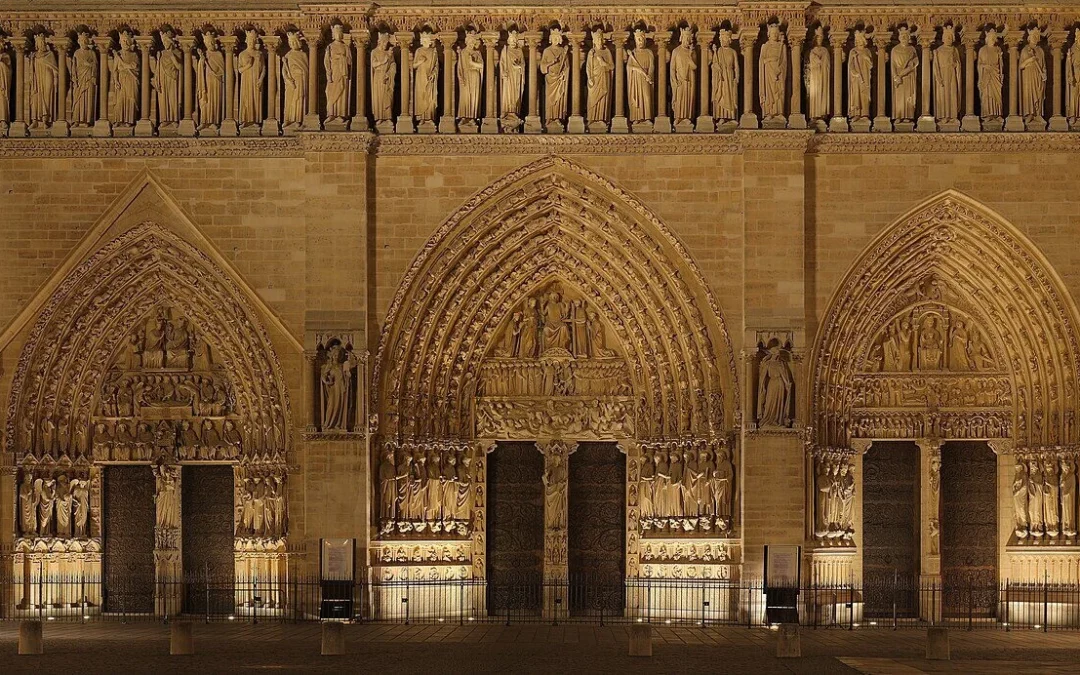
The Pope prayed Vespers at Notre-Dame, reopened in December 2024 after the April 2019 fire, visited Maison Bakhita, a welcome center for migrants, and met a synodal assembly. About 80,000 young people joined him for a prayer vigil at the Stade de France, and he celebrated Mass at Place de la Concorde before a crowd the Pope himself put at around 700,000 people, calling it a true “restoration” of the Church.
Lourdes and Metz
At the Marian shrine of Lourdes he took part in a torchlit procession and rosary and met abuse victims. The journey closed in Metz with an interreligious meeting in a region marked by the Second World War, where representatives of different faiths signed the “Metz Appeal” for dialogue and peace.
The message
RebirthNotre-Dame’s restoration, he said, sheds light on the whole journey.
CollaborationChurch, State and civil society working together for the common good, with human dignity as the guiding principle.
LifeEvery human life, including the most fragile, deserves care and dignity.
Peace in EuropeA continent born as a peace project after war, whose democratic and solidarity-based principles can be renewed.
Afterwards: at his general audience on 30 September the Pope called the journey a sign of rebirth, noted the growing number of adult and youth baptisms in France, and recalled the beatification, on 27 September, of three priests killed by Nazi troops in 1944. He also asked the faithful to pray the rosary for peace in October.
Photo: Benh LIEU SONG, Wikimedia Commons, CC BY-SA 3.0.
by hbmadero | Oct 17, 2026 | Projects
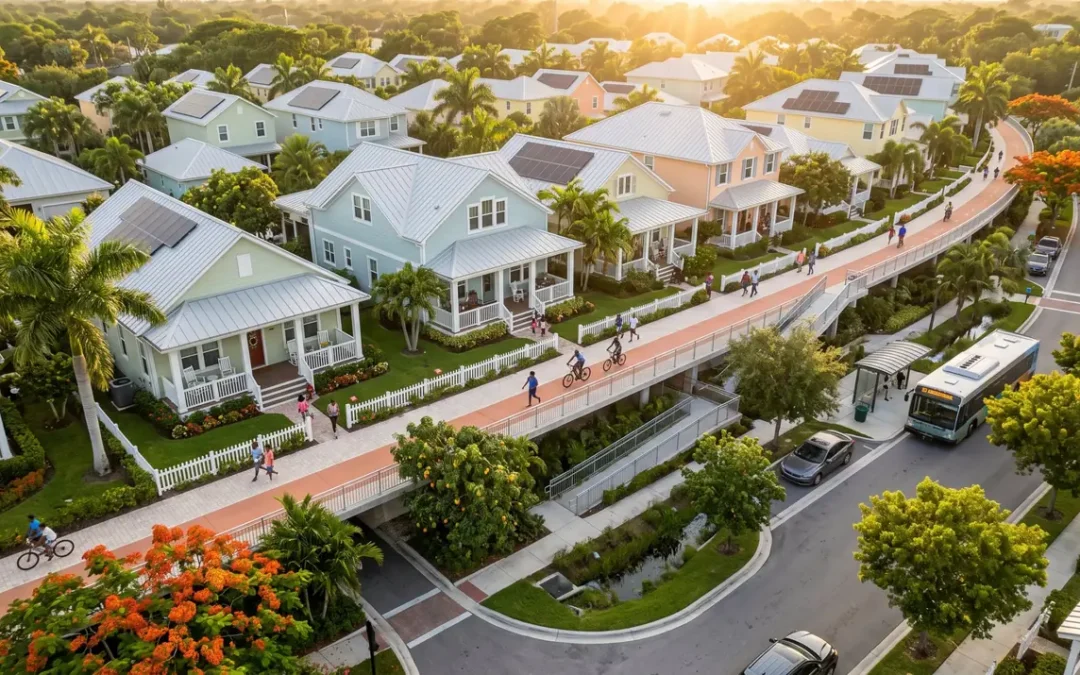
Donders City is the housing project that Mandatum is preparing for Suriname: a green, walkable city where families can live in peace, with homes, schools, a hospital, shops and sports facilities a few steps from their door. The project has its own website, where anyone can register their interest free of charge and with no commitment.
What is and is not defined yet. The location of the city has not been designated and there is no start or delivery date for homes. The criteria and the points system for allocating homes are still being defined with the authorities and will be published on the project site. Registering is not a reservation and does not guarantee a home.
A home for those who serve the country
The project takes its name and spirit from Peerke Donders, who gave his life in Suriname to people society had set aside. Today, the promoters say, those left out of housing are often the ones who keep the country running: teachers, nurses, police officers, firefighters, public employees, working families and Surinamese who want to return to their homeland. Donders City is meant for all of them.
What the city will include
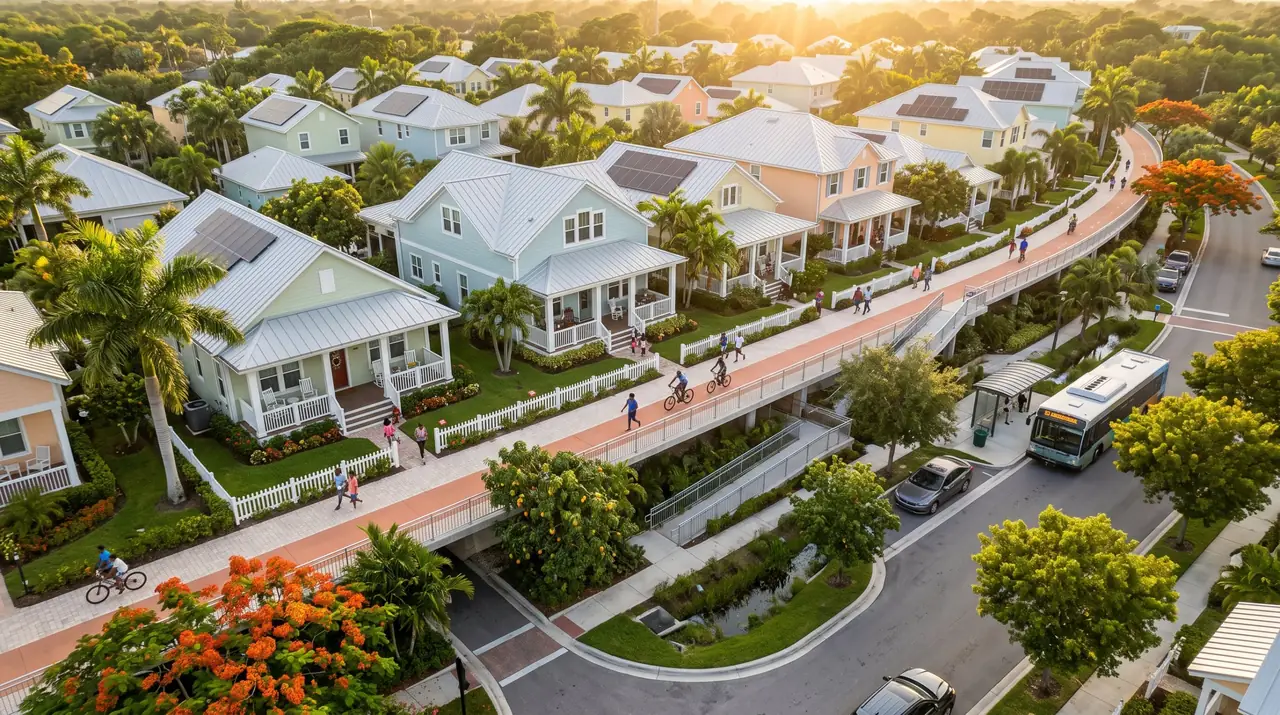 HomesHouses with a porch and a front garden. Subsidized rent in stage 1, purchase with financing in stage 2.
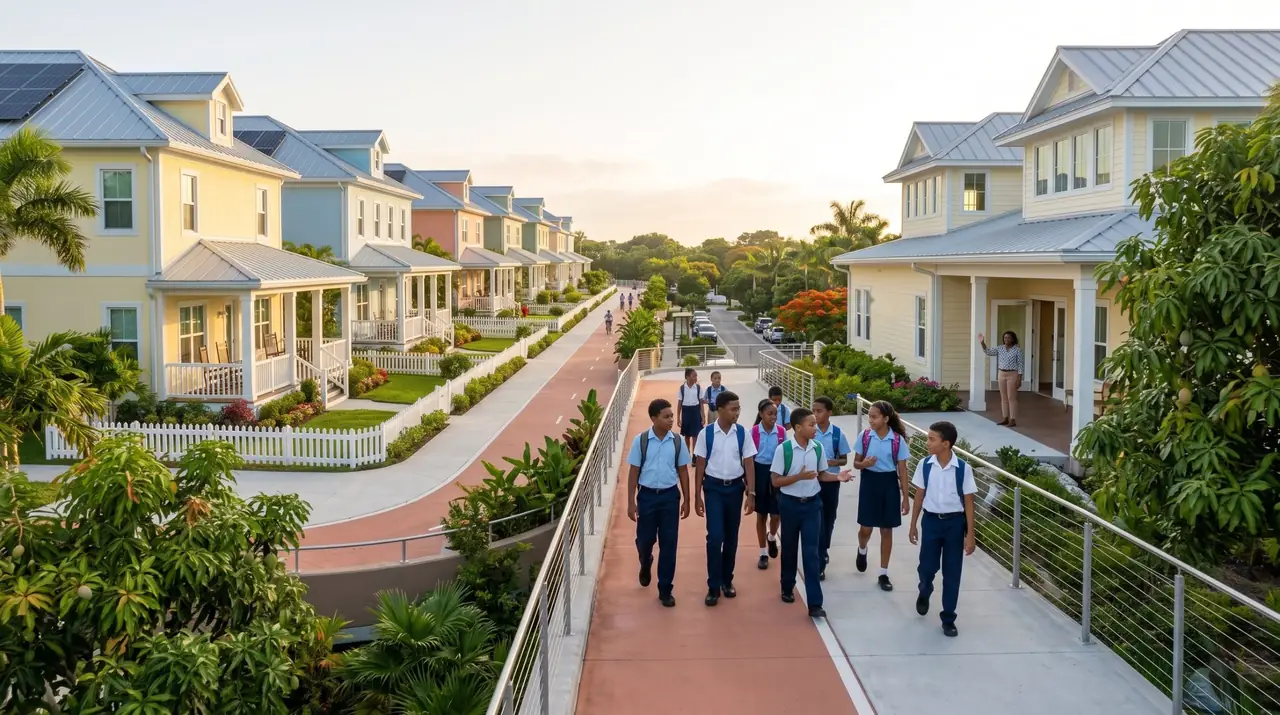 SchoolsFrom early childhood to technical and higher education, run by other orders with a long humanitarian and educational tradition, under agreements to be signed later.
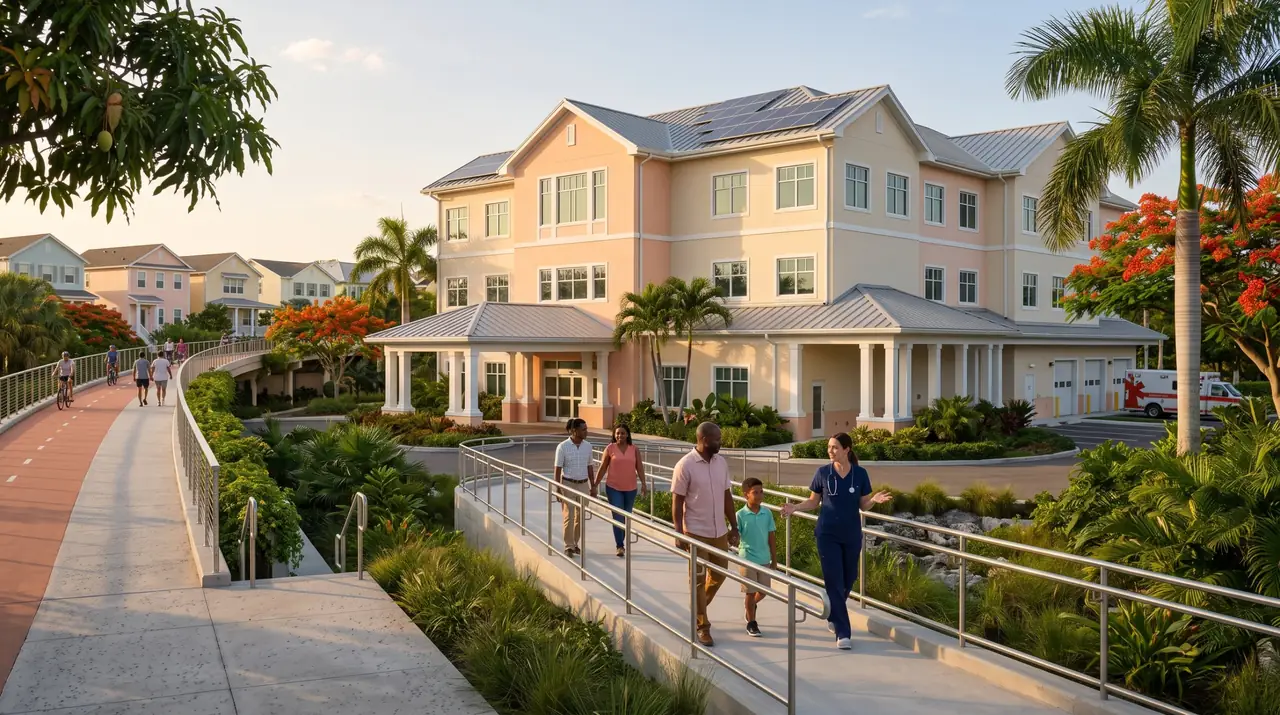 HospitalA second-level hospital with 24-hour emergency care, general medicine, pediatrics, obstetrics and gynecology, dentistry and telemedicine.
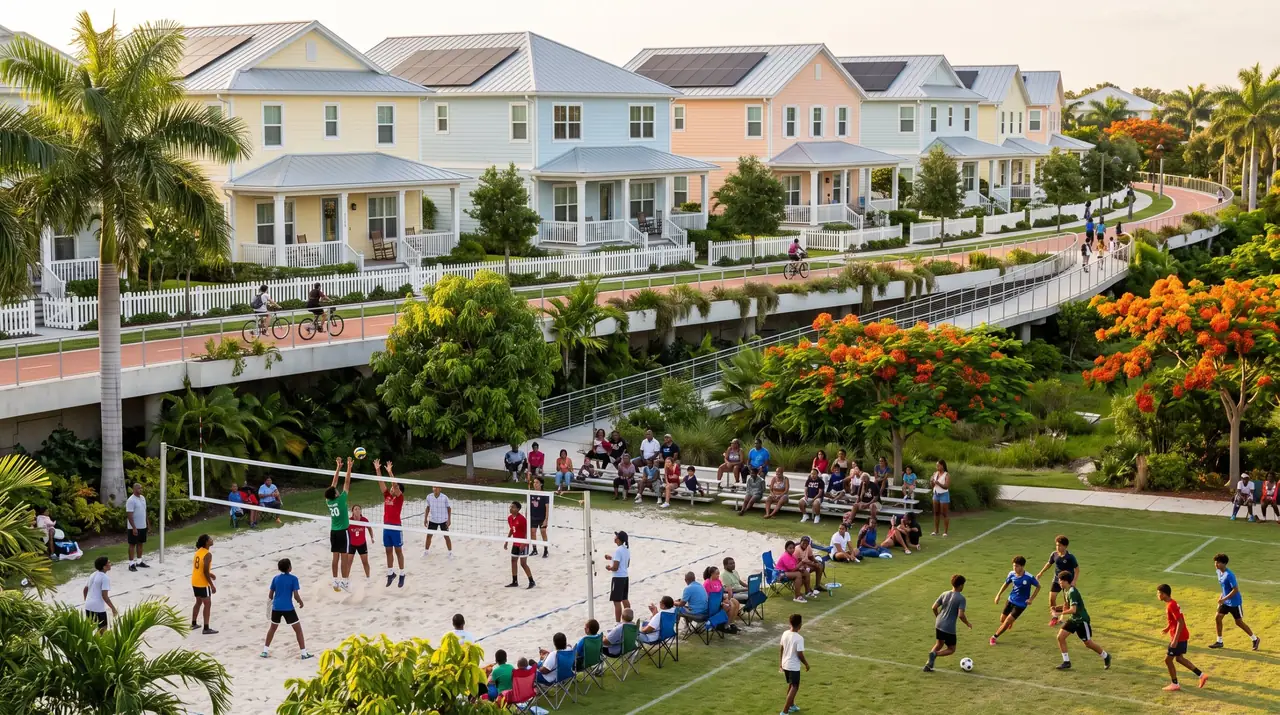 Sports and parksA sports complex and parks, so young people have somewhere to go and a future ahead.
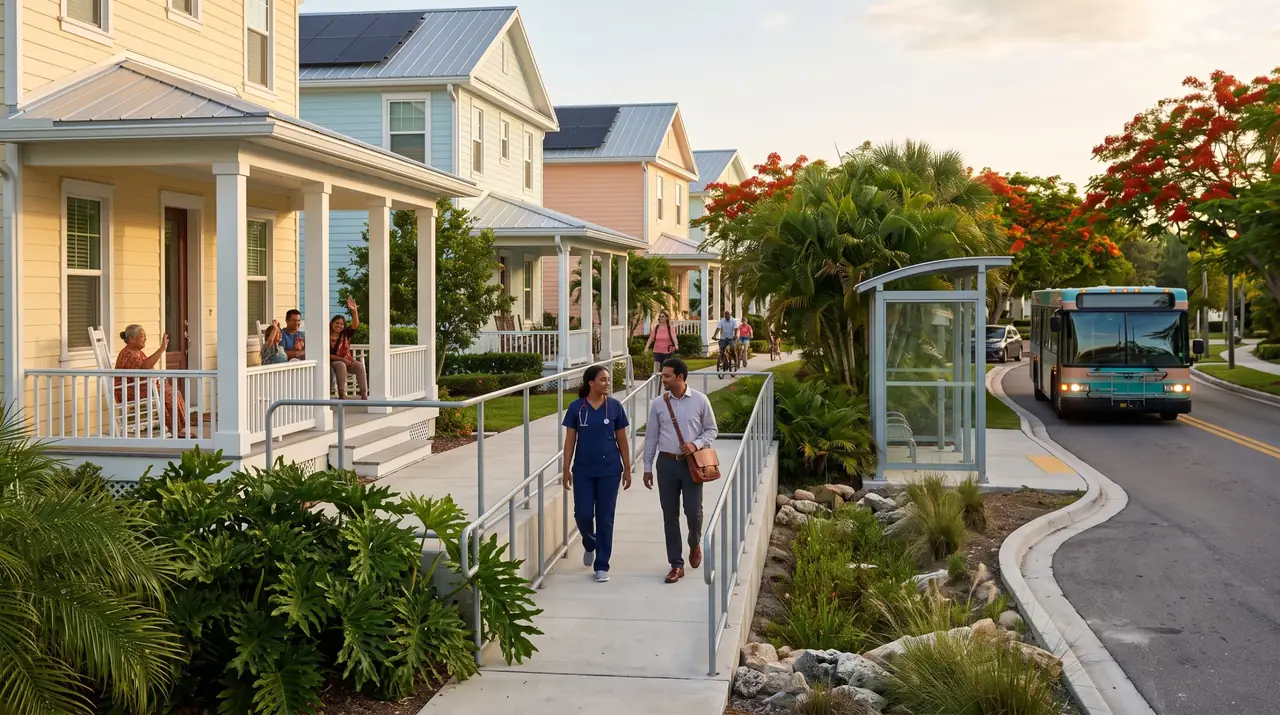 Walkable streetsSidewalks and bike lanes separated from cars, plus public transport.
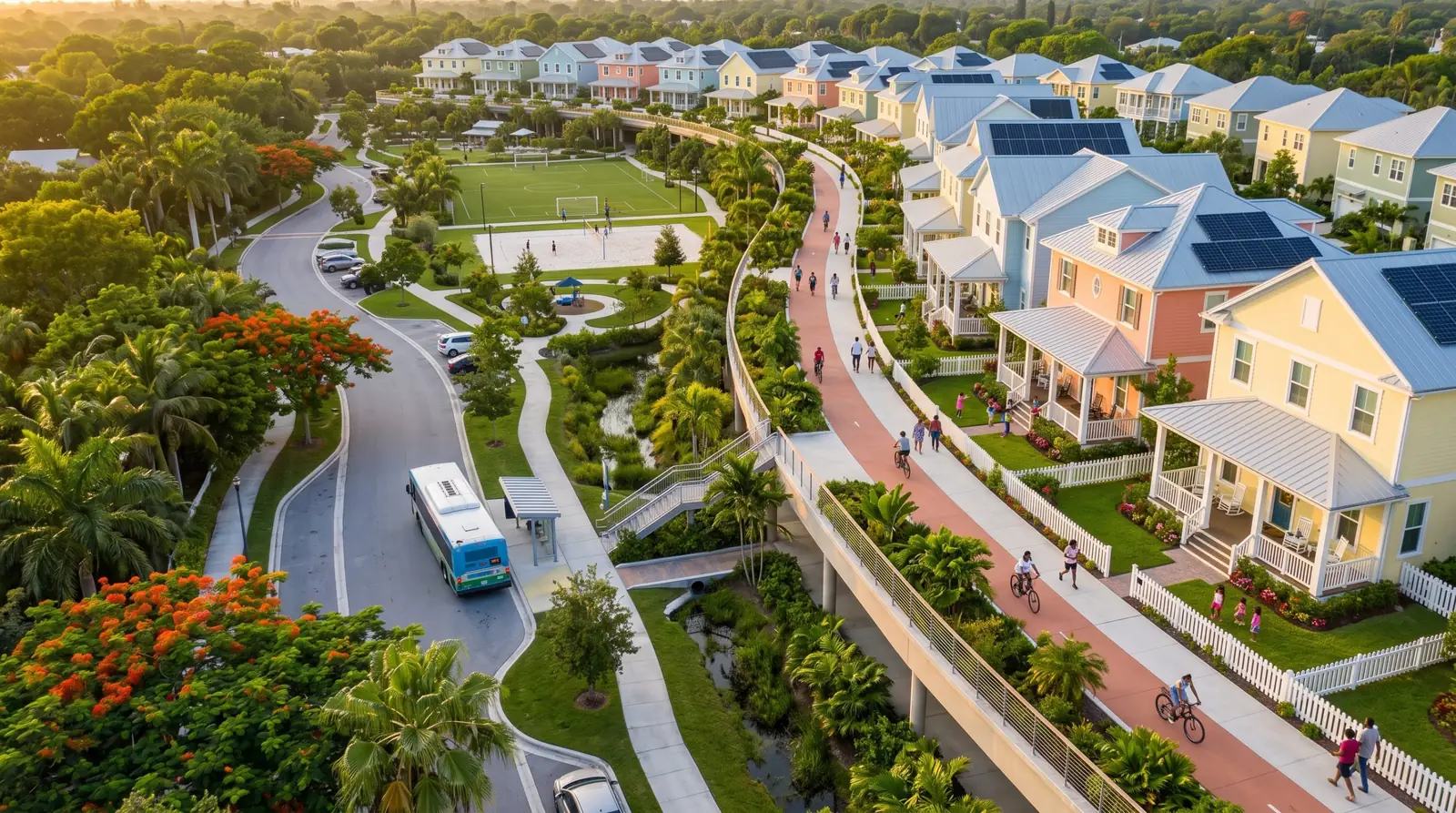 Neighbourhood and commerceA gated residential neighbourhood for the safety of families, a commercial area open to everyone with shopping centres and business incubators, and flood protection built into the design.
Illustrative renders. Concept images, not final designs.
How it works
Stage 1 · Subsidized rentHomes are offered for rent, adjusted to each family's income, to every kind of public employee and to the general public.
Stage 2 · Purchase with financingResidents can buy their home. The installment depends on income, not on the cost of the home, and is subsidized.
The terms of stage 2 will be agreed with the Government in an additional MOU. The funding is non-repayable, with no debt or State guarantees: the cost to the State is none. Every payment goes straight to the supplier, only for work certified by an independent auditor.
Why register now
Registering gives extra points in the allocation of homes, keeps you informed of every step, announcement and opening of each process, lets you have a say in what families need (homes, services, hours, shops) and shows that the city is needed. It takes about a minute. The site also invites builders, technicians, professionals and Surinamese companies to register as suppliers.
Register at sur.emandatum.com.
The community it is looking for
Donders City aims to be a community built on help, respect and solidarity between neighbours: residents with civic spirit, responsible toward nature, careful with property and supportive of one another, where young people have a future and the elderly are cared for.
Who is behind it
The project is led by Ordo Supremus Pro Causis Humanitariis INC (Mandatum), a non-profit humanitarian organization that will manage the city permanently and reinvest any surplus in it. It has the help of UnASDG, an intergovernmental organization that provides the funding and oversees every payment. Locally, Stichting Mandatum Suriname will lead the project and seek ladies and gentlemen of honor to join the Order.
Where the project stands
DoneTreaty between Suriname and UnASDG, signed on 12 September 2023. MOU with the Government of the Republic of Suriname, February 2026. Stichting Mandatum Suriname established in April 2026.
PendingA bank opens the project account, which will manage the funds. The Government sends UnASDG the letter with that account number.
ThenDisbursement of the project funds begins.
SDG 3 · Good healthSDG 4 · Quality educationSDG 11 · Sustainable communitiesSDG 17 · Partnerships
SDG 3 · Good health and well-beingA second-level hospital with 24-hour emergency care, pediatrics, obstetrics and telemedicine, plus sports facilities and parks that encourage an active life.
SDG 4 · Quality educationSchools at every level, from early childhood to technical and higher education, so young people can train and stay in their country.
SDG 11 · Sustainable cities and communitiesAffordable housing first rented and then purchasable, walkable streets, bike lanes, public transport, shared spaces and flood protection built into the design.
SDG 17 · Partnerships for the goalsA treaty with the Government of Suriname, an intergovernmental funder (UnASDG), a local foundation and independent audit of every payment.
For members of the Order:
The financial and technical study of the project, covering the investment costs, the break-even point, maintenance and operating costs, financing and ownership structure, is available to members of the Order. To access it, you must subscribe to the Herald (free) and sign in with your organization email address.
by hbmadero | Oct 17, 2026 | Order
The Mandatum Herald is a digital newsroom built to keep readers informed in one clean, fast and easy-to-use place, with the appointments and, above all, the projects and preliminary projects of the Order around the world at the center. It brings together original reporting, a live market ticker, a full weather center and sports scores, all under the same design and without the clutter of a typical news portal.
5Sections
5Languages
LiveMarkets and weather
FreeMembership
What it is
The Mandatum Herald is the news platform of the Communications Procuracy, led by its Procuradora, MM Doña Bibiana Casartelli, and is published at news.emandatum.com. Its motto, Vox Populi, Vox Dei, appears under the masthead. It is also where the Order, ORDO SUPREMUS PRO CAUSIS HUMANITARIIS, publishes its news: appointments, official announcements and the many activities it carries out. What stands out most in its pages are the appointments and, above all, the projects and preliminary projects of the Order around the world.
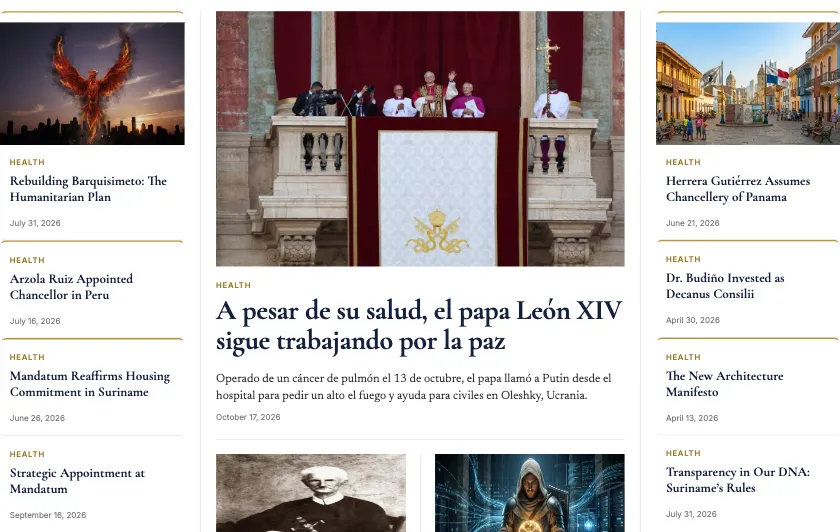
The site is organized as a classic newspaper front page: a lead story in the center, supporting stories on each side, and a menu that takes you straight to each section.
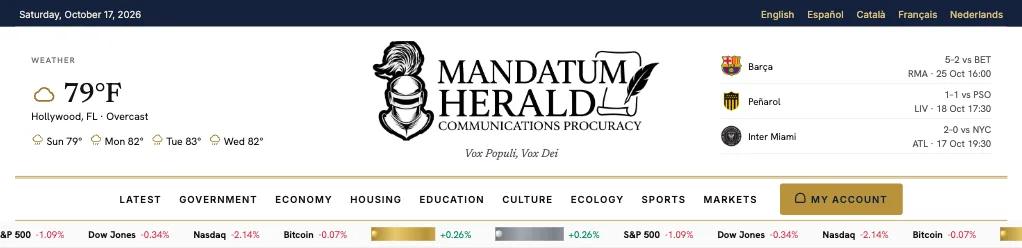 The headerLocal weather on the left, the masthead in the center, live scores on the right, and the main menu with the live ticker below.
 The front pageThe lead story in the center, with the latest stories on each side.
Screens of the Herald.
What it is for
Following the OrderHere you will find the appointments of officers and members and, above all, the projects and preliminary projects of the Order around the world, together with announcements from its leadership and reports on its humanitarian activities and events.
Reading the news that mattersStories are grouped by section: Order, Projects, Religion, Culture and Technology.
Following the marketsA ticker under the menu scrolls major indices, Bitcoin, gold and silver, with the daily change in green or red. A dedicated Markets page goes deeper.
Checking the weatherA weather block in the header shows the current temperature and the next few days, and one click opens a full weather center.
Keeping up with your teamsThe header shows a quick scoreboard of selected matches.
Reading in your languageThe bar at the very top lets you switch between English, Español, Català, Français and Nederlands.
How to use it
1 · Browse by sectionUse the main menu at the top: Latest, Order, Projects, Religion, Culture and Technology. On the front page, every story card lifts slightly when you hover over it, and the photo moves gently. At the bottom of each article, a Keep Reading block suggests more stories. 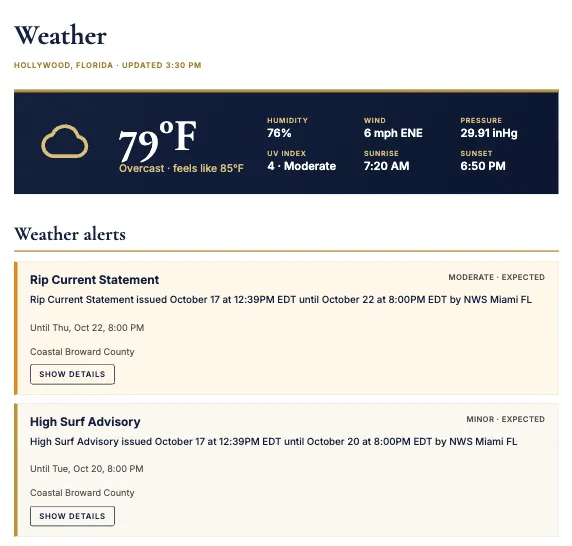 2 · Open the weather centerClick the weather block in the top-left corner of the header. The weather page brings together active alerts, an hourly outlook, a seven-day forecast and a short written briefing, together with links to official sources.
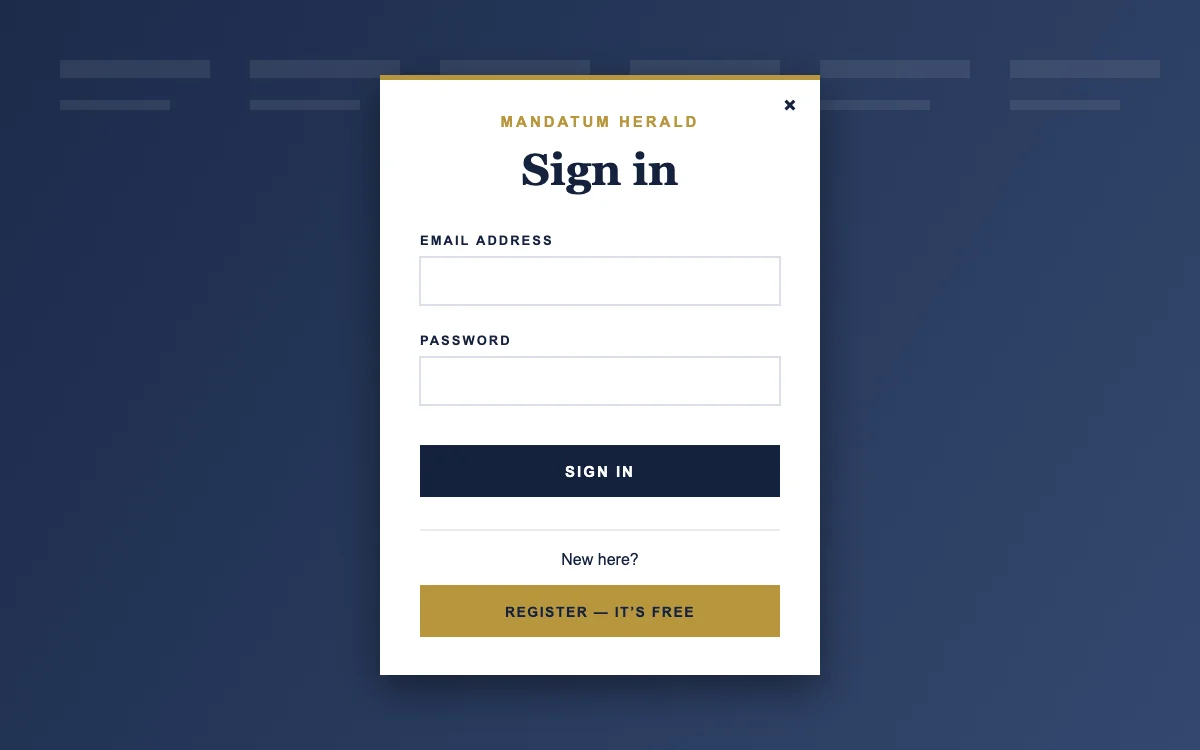 3 · Create your free accountSelect My Account in the menu. A window opens where you can sign in, or choose Register, which is free. Once you are signed in, the same button becomes a small menu with My profile and Log out, and you stay on the page you were reading. Some stories are reserved for members, and membership costs nothing. Members of the Order who sign in and subscribe with the email address of the Order also get access to exclusive information for members of the Order.
4 · Stay informed by emailUse the Subscribe tab on the side of the screen, or the welcome window that appears after a short time on the site, to receive the Herald's updates in your inbox. You can close that window at any time and keep reading.
5 · Make it comfortable to readThe accessibility button on the left edge lets you enlarge the text, change the contrast or switch to a more readable font. The site works on phones, tablets and desktop screens.
6 · Tell us what you want to seeLet us know what you would like to see next through the Contact page.
For members of the Order. Those who sign in and subscribe to the Herald with the email address of the Order can access exclusive information for the members of the Order, such as internal documents and proposals that are not shown to the general public.
In short
The Mandatum Herald puts the news, the markets, the weather and the scores in one calm, well-organized place. Explore the menu, create your free account, and let us know what you would like to see next.
by hbmadero | Oct 17, 2026 | Religion
90 minSurgery
Oct 13Operation
Oct 16Call with Putin
2,000–6,000Civilians trapped
Pope Leo XIV is recovering from lung surgery in Rome and has not stopped working for peace: three days after the operation, from his hospital room, he phoned Russian President Vladimir Putin to ask for a ceasefire and help for civilians trapped in Ukraine.
According to the Holy See Press Office, he was expected to leave Gemelli hospital on the afternoon of Saturday, October 17, the fifth day of his stay, and return to the Vatican.
What happened
Sunday, October 11The Vatican announces that the Pope will undergo surgery for a nodular lesion in his lung.
Tuesday, October 13Surgeons, among them Dr. Stefano Margaritora, head of thoracic surgery at Gemelli, remove the lower lobe of his right lung using a video-assisted technique. The operation lasts about 90 minutes.
Wednesday, October 14Blood tests and a chest X-ray show a “normal postoperative course.”
Friday, October 16From the hospital, the Pope speaks by phone with Putin.
Saturday, October 17Doctors Luigi Carbone and Stefano Margaritora discharge him after new tests and X-ray.
The examination performed during the operation confirmed a lung adenocarcinoma, as earlier studies had suggested, according to the Holy See. The Vatican described the surgery as successful and free of complications.
Recovery so far
The Pope began respiratory physiotherapy, walks around his room and is on a regular diet. Before leaving the hospital, he was to celebrate Mass in a room on the 10th floor.
Peace remains on his agenda
The Holy See Press Office reported the call in a note to accredited media and did not specify who initiated it. It is the second known conversation between the two men; the first was on June 4, 2025.
According to the Vatican, Leo expressed his “deep concern for the grave humanitarian situation” in Oleshky, a city in Ukraine’s Kherson region, and asked for a ceasefire “to allow the delivery of food and medical assistance, and the voluntary and safe evacuation of the civilian population” (our translation). He also reaffirmed the Holy See’s commitment to dialogue and peace.
New York Times, via America MagazineReported on October 5 some 2,000 people trapped, 40 of them children.
Ukrainian Council of Churches (UCCRO)Estimates more than 6,000, including about 200 children. It had asked for the Pope’s intervention on September 19.
Institute for the Study of WarReported on October 2 that no food had reached the city since May 26.
The Kremlin described the conversation as constructive and marked by mutual respect. It said Putin wished the Pope a speedy recovery, thanked him for his willingness to help resolve the conflict and supports the Vatican’s initiative to bring supplies to the civilians of Oleshky, a city controlled by Russia, and that “it was agreed to cooperate” on the matter. Moscow blamed the humanitarian situation on Kyiv, which in turn accuses Russia of using hunger as an instrument of coercion. No details of what was agreed have been released and, according to the Salt Lake Tribune, Russia has not accepted a safe evacuation corridor.
That same day, in his message for World Food Day, the Pope called regular access to food “a basic human right,” and Vatican Media released the first images of him since the surgery, celebrating Mass at Gemelli.
A consistent line
May 2025Elected; in his first Sunday message he calls for peace in Ukraine, a ceasefire in Gaza and the release of the hostages.
April 12, 2026At the Regina Caeli he asks the parties to “cease fire and urgently seek a peaceful solution,” naming Ukraine, Lebanon and Sudan, and asks that civilians be protected.
August 25, 2026Archbishop Paul Gallagher meets Foreign Minister Lavrov in Moscow: “this war must end.” Lavrov agrees to strengthen humanitarian cooperation; Gallagher mentions the upcoming mission of Cardinal Matteo Zuppi to Russia.
The concrete results remain uncertain: as the Salt Lake Tribune recalls, his earlier humanitarian appeals have often had little effect. But the call shows that, even while recovering from major surgery, the Pope keeps peace and aid for civilians at the center of his work.
What comes next
The Pope was scheduled to lead the Angelus on Sunday, October 18, from the window of the papal apartment, with all audiences suspended until October 20. The trip to South America scheduled for November 6 was in doubt at the time: Peru’s president said plans could change and that recovery would take “several weeks,” and air travel is generally avoided for about three weeks after this type of surgery.
What was still unknown
The Vatican had not published a prognosis or a follow-up treatment plan. Dr. David Jones of Memorial Sloan Kettering Cancer Center told CBS News that the pathology result was still to be known, including whether lymph nodes were involved and which molecular tests would guide any therapy. Cardinal Blase Cupich of Chicago said the diagnosis “is not the news we were hoping for.”
Update: by October 22, doctors had confirmed that the Pope is cancer-free, that the cancer was localized and completely removed, and that he needs no further treatment. He returned to his Wednesday audiences on October 21, and the November journey to Uruguay, Argentina and Peru has since been confirmed with its full itinerary.
Information as of October 17, 2026, based on Holy See statements and the press cited below.
Sources
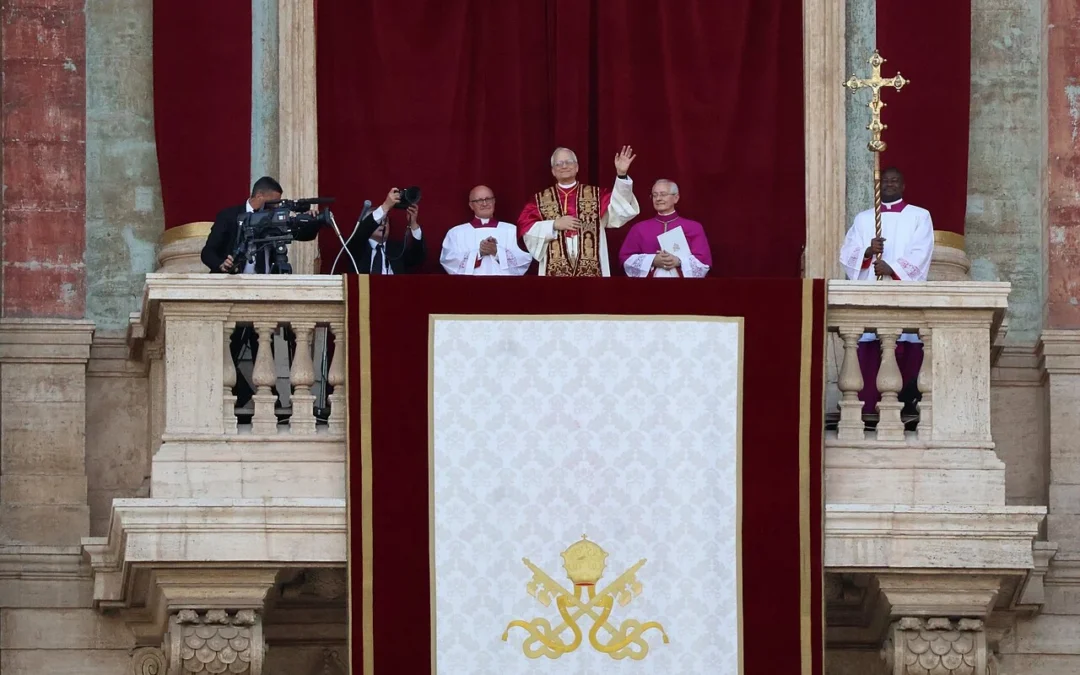
Photo: Pope Leo XIV on the loggia of St. Peter’s Basilica (file photo). Edgar Beltrán / The Pillar, via Wikimedia Commons, CC BY-SA 4.0.
by hbmadero | Oct 16, 2026 | Religion
1809–1887Life
~40,000Enslaved people served
~400Estates
1982Beatified
Peter Donders (1809–1887) was a Dutch priest who devoted his life to the enslaved, the Indigenous peoples and the lepers of Suriname. John Paul II beatified him on May 23, 1982.
He was not a martyr and did not suffer violent persecution. What he faced was the resistance of the colonists, the slowness of the authorities, and his own poverty and poor health, which is why his story is above all one of quiet perseverance.
A poor childhood and a late vocation
Peter Donders was born on October 27, 1809, in Tilburg, the Netherlands, the son of Arnold Denis Donders and Petronella van den Brekel. His family was poor: he could barely attend school and worked from childhood to help at home.
He had wanted to be a priest since he was a boy, but only at age 22, with the help of his parish clergy, was he able to enter the minor seminary. He was ordained a priest on June 5, 1841. While still studying theology, his superiors steered him toward the Dutch colony of Suriname.
A life in three missions
1842 · Missionary among the enslavedArrived in Paramaribo on September 16, 1842. He spent his first years traveling by boat along the rivers to the plantations, preaching and administering the sacraments, mostly to enslaved people. In a letter of 1846 he defended them and condemned the owners and administrators who profited from them: “Woe, woe to Suriname on the great day of judgment!” Slavery was abolished in 1863.
1856 · Batavia: three decades with the lepersSent to the leprosarium at Batavia, he worked there for the rest of his life with few interruptions. He gave the patients religious care and tended them himself until the authorities agreed to provide an adequate nursing service, and he pressed them to attend to the needs of the sick.
1867 · RedemptoristWhen the Redemptorists took over the mission in 1866, Donders and another priest asked to join. After the novitiate under vicar apostolic Johan Baptist Swinkels, he professed his vows on June 24, 1867 and returned to Batavia. He also devoted himself to the Indigenous peoples, learning their languages and teaching the faith until his health forced him to leave that work to others.
Opposition and hardship: what he did face
The historical records speak of no formal persecution, imprisonment or martyrdom. What they describe are real obstacles:
The colonistsHe often met resistance from “Christian” colonizers who barred him from the plantations, even to administer the sacraments.
The authoritiesHe had to press the colonial government to attend to the lepers; its response was slow, and for years he cared for them personally.
The Indigenous peoplesHe worked with the Arawaks, Warraus and Guaranis, battered by alcohol and by diseases such as smallpox brought by the Europeans, and had difficulties with the Caribs.
Poverty and healthHe grew up without resources, began his studies late, and his health kept worsening until it forced him to give up some of his work.
Death, beatification and legacy
In 1883 the vicar apostolic transferred him to Paramaribo and then to Coronie to ease his burden; in November 1885 he returned to Batavia and resumed his work. Illness left him bedridden in December 1886, and he died on January 14, 1887, surrounded by the sick whom he had served.
Remembered as the “apostle of the Indigenous peoples” and the priest of the lepers. His reputation for holiness spread beyond Suriname and Holland, his cause reached Rome, and Pope John Paul II beatified him on May 23, 1982.
Sources
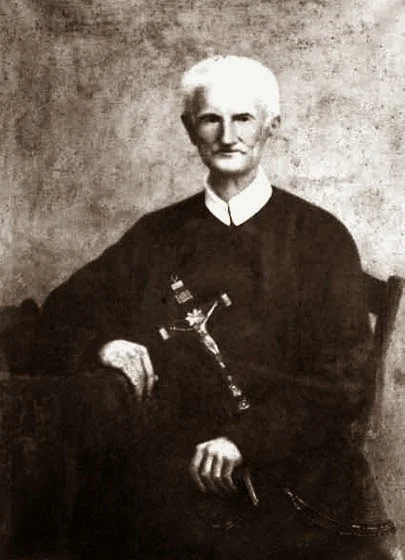
Image: photograph of Peter Donders from the 1880s, author unknown, public domain, via Wikimedia Commons.
 Barça
 Peñarol
 Inter Miami