
by hbmadero | Aug 24, 2026 | Technology
Nov 2024ICRC guidelines
4Core ideas
3Named risks
20Expert interviews
Artificial intelligence is arriving in humanitarian work, in logistics, in medicine and in the analysis of data from crises. The organizations that serve people in the worst moments of their lives are adopting it carefully, and they are putting their rules in writing.
The Red Cross sets its guidelines
In late November 2024 the International Committee of the Red Cross (ICRC) issued its own AI guidelines. Its delegate for technological diplomacy, Philippe Stoll, said the organization cannot afford a fast, experimental approach, because it serves highly vulnerable people. The ICRC defines AI broadly, as any system that performs tasks normally requiring human thinking, planning or reasoning, so the rules cover much more than chatbots.
The guidelines rest on four ideas:
Core principlesAI must respect humanity, impartiality, neutrality and independence.
Real needIt is adopted only where there is a real need, not to look for problems an AI tool might solve.
Data protectionSensitive personal data must be protected.
Local adaptationTools must be adaptable to local conditions, since many models are trained mainly on Western data.
What it is already used for
The ICRC points to Meditron, an open language model led by the Swiss Federal Institute of Technology in Lausanne (EPFL) and trained on carefully selected data to support clinical decisions. It also cites supply-chain software, developed with EPFL, that helps manage shortages and surpluses of equipment, a problem that directly affects patients.
The risks are concrete
Data breachesIn 2022 a cyberattack exposed the personal data of hundreds of thousands of people receiving aid.
Irrelevant adviceA medical tool that suggests treatments unavailable locally “makes no sense.”
Fragile toolsTools that are not robust enough could harm the very people they are meant to help.
Four principles from the research community
A report hosted by UN OCHA’s ReliefWeb, based on scholarly sources and 20 expert interviews, proposes four principles for using AI with vulnerable people: weigh benefits against risks and avoid AI where possible; use systems grounded in the local context; include and empower local communities; and audit algorithms.
The test that matters: across these documents the message is the same. In humanitarian work a tool is judged by whether it serves the person in front of it, protects their data and respects their context. Speed and novelty come second.
Sources: Geneva Solutions, “Red Cross adopts AI guidelines to contain risks” (December 4, 2024); ReliefWeb, “Artificial intelligence principles for vulnerable populations in humanitarian contexts.” Image: Earth at night from the International Space Station, NASA, public domain, via Wikimedia Commons.
by hbmadero | Jul 30, 2026 | Projects
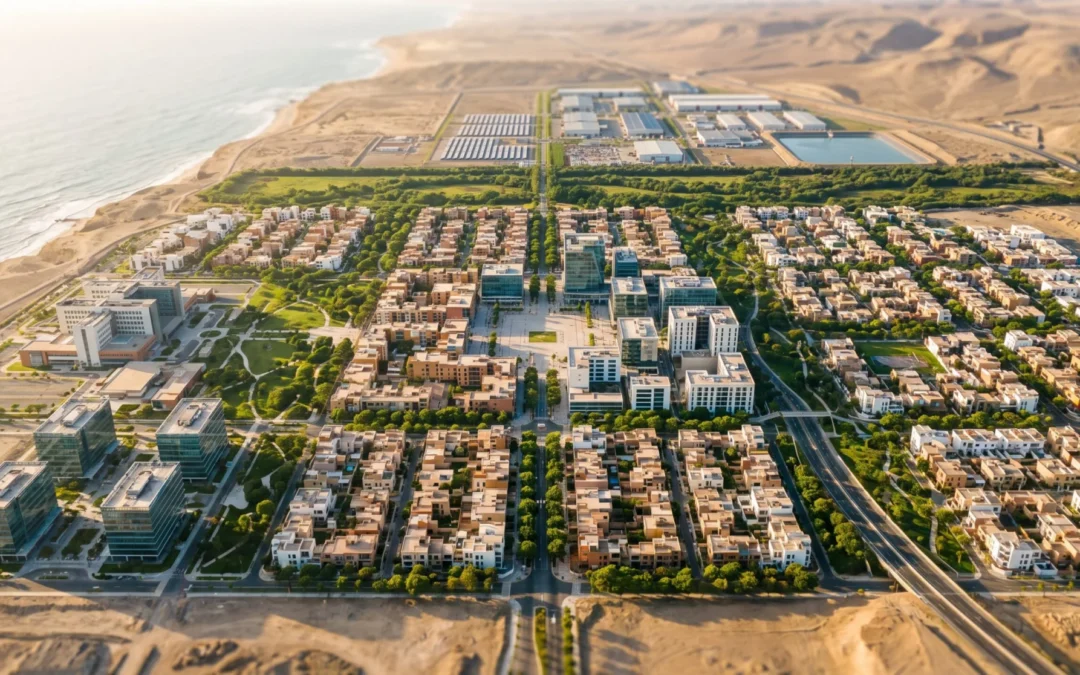
Cover image: illustrative AI-generated render of Ciudad Lumen. It is a concept image, not a final design.
On Peru's northern coast, between the districts of Reque and Eten in the Lambayeque region, Mandatum has drawn up a preliminary proposal for something larger than a housing development: a complete city. Its name is Ciudad Lumen.
The plan covers 1,120 hectares and 10,000 homes for a population of 45,000 to 50,000 people. But the homes are only the starting point. Around them the proposal places everything a city needs to sustain itself: jobs, schools, health care, commerce, public services and civic life. The proposal has been presented to the Peruvian government; the next step is a meeting with the Presidency.
1,120hectares
10,000homes
45–50kresidents
M9.0seismic design target
50%of jobs targeted for women
Images: AI-generated renders, for illustration only.
Why Lambayeque, and why now
The region faces three structural problems at the same time, and the project is designed to answer all three together.
A housing gap that starts with credit
Many families in Lambayeque cannot get a formal home because they cannot get a loan. Banks ask for a credit history, documented income and savings for a down payment, and most working families earn in the informal economy, without payslips or a continuous paper trail. Without credit there is no formal home, and without a formal address it is even harder to formalize one's work. Families respond by building by themselves, slowly, without structural design or permits, often on land they do not legally own and in risk zones such as ravines and riverbanks. The result is a home that is unsafe in an earthquake or a flood and that cannot be sold, inherited with a clean title or used as collateral.
Earthquakes and El Niño
The north coast sits in one of the most seismic regions of the country, and Lambayeque is also among the areas hit hardest by El Niño, when the coastal desert can turn into a system of floods and mudslides. A city built from zero here has to be designed for both from the first drawing.
Too few formal jobs
Work is the missing piece. Talented young people in the region often leave for Lima or abroad because the local market has no place for what they studied. Jobs also hold the rest of the plan together: they let families pay for their homes and keep the hospital and schools running.
Dignity, not charity
The project's guiding idea is that people should not be treated as recipients of aid but as residents who build a life through work. Housing is not social housing in the traditional sense: every home meets the same quality and seismic standard, and what changes between families is the term and the monthly payment, never the construction. Residents also develop their own community life and, through the Order's formation path, can join the Order that governs the project, so that those who run the city and those who live in it can become the same body.
The master plan
The land sits on the Autopista del Sol, which links the city with Chiclayo, Trujillo and the rest of the north, and close to the Port of Eten, which gives the industrial zone a way to export. All 1,120 hectares are to be bought by the project on the open market, at market value, through private negotiation with current owners. The Peruvian State is asked to contribute no land and no public money. Nothing is built on any plot until its legal and physical status is fully cleared.
How the 1,120 hectares are used
Industrial Hub / Free Zone
500 ha Residential (10,000 homes)
120 ha Parks and green space
60 ha Roads and urban infrastructure
55 ha Strategic infrastructure
35 ha Downtown commercial district
30 ha Expansion reserve (Phase 2)
25 ha Community: health and education
20 ha Industrial–residential buffer
10 ha Source: preliminary proposal (Master Plan). Shares: industrial 44.6%, technology 22.3%, residential 10.7%.
The same land, grouped by purpose
- Productive hubs (technology + industrial): 750 ha, 67.0%
- Homes: 120 ha, 10.7%
- Roads and infrastructure: 90 ha, 8.0%
- Parks, farming and buffer: 85 ha, 7.6%
- Downtown, health and education: 50 ha, 4.5%
- Expansion reserve: 25 ha, 2.2%
Visitors arriving from the highway meet the Downtown commercial district and the Civic Center first. Behind them come the residential neighborhoods, linked by parks to the health and education campus. Toward the port-facing side sit the Technology Hub and, beyond a buffer strip that protects the residential areas, the large Industrial Hub and Free Zone.
Living in Ciudad Lumen
The city is meant to be walkable and human in scale, not a set of isolated towers or a sprawl that depends on cars. Each neighborhood unit puts a satellite clinic, a school, a park, local shops and a square within walking distance. Green corridors tie the neighborhoods together, cool the coastal heat and feed an urban farming belt. Downtown concentrates commerce and street life, while neighborhood squares keep every district from becoming a dormitory. The aim is a place where an engineer from the Technology Hub, a factory operator, a young family and a retiree share the same streets and parks.
Homes without a bank
The housing program starts from credit, not from the house. The project finances homes directly, so families do not need a bank account or a credit history, and it ties repayment to the jobs the city itself creates. Relocation places are also reserved for families now living in seismic or flood-risk areas, in coordination with the authorities.
How a family becomes a homeowner without a bank
 Credit from the projectThe city's own financing vehicle lends directly. No bank, no credit history required.
 Pay your wayMonthly payments by mobile transfer or cash at the project office in the city.
 Live in it from day oneSecurity is the right of habitation, not a mortgage registered in the banking system.
 Title on final paymentFull ownership passes to the family when the loan is repaid: a clean title it can inherit or sell.
If a resident proves the loss of a job, the loan term is extended without penalty and the family keeps its home.
Images: AI-generated renders, for illustration only.
Two engines of employment
Technology Hub: 250 hectares
Corporate space, laboratories, a startup incubator and shared services, focused on software, business-process and knowledge services, agritech and the digital economy. Its purpose is not real-estate income but qualified, formal, well-paid white-collar jobs for a region that today loses those workers. It grows in phases as demand arrives, including build-to-suit buildings for anchor companies, and the incubator is meant to grow local startups rather than only host outside operations.
Industrial Hub and Free Zone: 500 hectares
The largest part of the city is dedicated to blue-collar and logistics work, built around agro-industry: processing, packing and cold storage for Lambayeque's farm output. Light manufacturing and port-linked logistics complete the mix. The project will ask the Peruvian government for a Special Economic Zone regime under current law. That is a customs and tax framework that makes the zone competitive, not a transfer of public funds, and a State one-stop office in the Civic Center would handle the paperwork on site.
Health and education
Health care is planned as a general referral hospital plus satellite clinics across the neighborhoods, so everyday care is close to home. Education would run from early childhood through technical and university-level training, designed with the real needs of the two hubs so that a child could be born, study and work in the city without having to migrate. Both services are to be operated under agreements with specialized religious orders, under Mandatum's supervision, following the model used in the Order's New Concordia project in Suriname. No agreement has been signed yet; the operating orders will be chosen during development.
A civic center, and a national humanitarian hub
The Civic Center houses the seat of Mandatum in Peru next to the offices through which the Peruvian State is present in the city, such as police, fire service and a procedures desk. The two sharing one civic space is deliberate: it expresses cooperation, not replacement.
The city also includes a national disaster-response hub, placed in the region with the highest combined seismic and El Niño exposure on the coast. It brings together a deployable field hospital, an emergency logistics center, mass shelter capacity and an aid distribution center that uses the Industrial Hub's links to the Port of Eten. In a major disaster anywhere in Peru it would be activated in coordination with the national risk-management system, giving the country a response base prepared in advance.
Infrastructure that keeps working
Energy combines on-site solar generation with battery storage for critical public services and grid supply under clean-energy contracts for homes, technology and industry. Generators serve only as backup for the hospital, the humanitarian hub and the data center. Fiber optic reaches every home, and a central data and command center joins urban services, video surveillance, the earthquake and tsunami early-warning system, and water and power telemetry. Security is a strict, zero-tolerance model, and a team of sociologists and psychologists supports social harmony in the city.
Built for a magnitude 9.0 earthquake
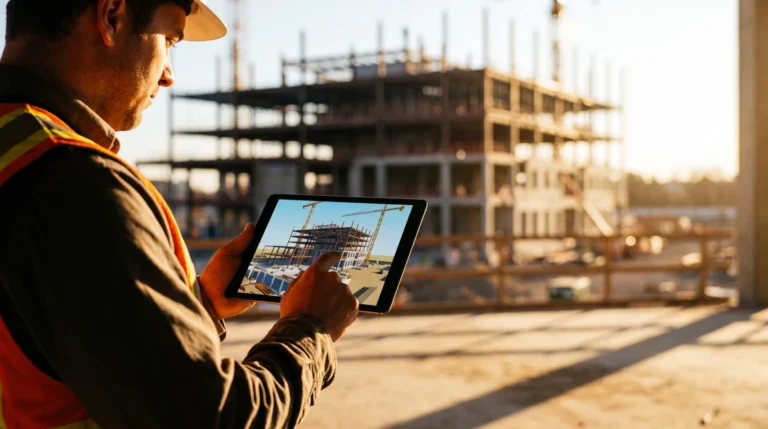
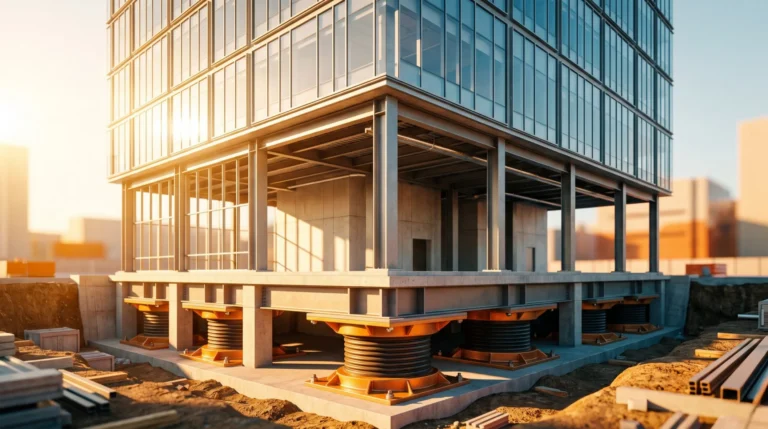
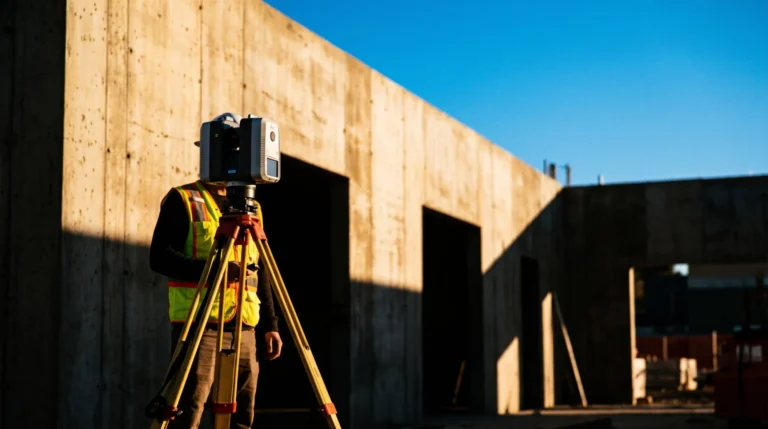
The most distinctive technical feature is the structural standard. The design target is to withstand a magnitude 9.0 earthquake, meeting and exceeding Peru's E.030 seismic design code. It applies to the entire built stock, including every single home, for two reasons: safety cannot be a privilege of important buildings, and a city that hosts a national humanitarian hub must stay standing after the design quake.
SDG 1 · No povertySDG 3 · Good healthSDG 4 · Quality educationSDG 5 · Gender equalitySDG 7 · Clean energySDG 8 · Decent workSDG 9 · Industry and innovationSDG 10 · Reduced inequalitiesSDG 11 · Sustainable citiesSDG 12 · Responsible consumptionSDG 13 · Climate actionSDG 17 · Partnerships
What the project asks of Peru, and what it does not
The proposal asks the Peruvian government for regulatory facilitation: a declaration of national interest, a Special Economic Zone regime and the State's presence inside the city. It does not ask for public funds, public debt, State guarantees or land. Construction is to be financed by a foreign financing partner, and the city is designed to sustain itself financially from around year 10 of operation.
The road ahead
1. Presentation and expression of interestIn progressFormal delivery to the Government of Peru, technical sessions with the competent sectors, and a declaration of national interest. Next: a meeting with the Presidency.
2. Framework AgreementDefines the regulatory facilitation, the permits roadmap, the Special Economic Zone regime and the State's presence in the city, with no public debt or guarantees.
3. Financing partnerAlignment with the international financing body and definition of the financing and consortium instruments.
4. Definitive structuring and executionSpecial-purpose vehicle, land acquisition, dual governance and independent technical validation, built in rolling waves toward self-sufficiency around year 10.
Ciudad Lumen is still a proposal, not an approved project. Its supporters say it could become a replicable model for the cities that come next: integrated rather than segregated, productive, safe and owned by the people who live in it.
This project has a detailed technical document covering the investment costs, the break-even point, maintenance and operating costs, financing, and ownership structure. The document is available to the members of the Order. Interested members may contact the Chancellery of the Order in their country to request the information.
For members of the Order:
The full preliminary proposal (Document I, in Spanish, the language in which it was presented) is available to members of the Order. To access it, you must subscribe to the Herald (free) and sign in with your organization email address.
by hbmadero | Jun 30, 2026 | Projects
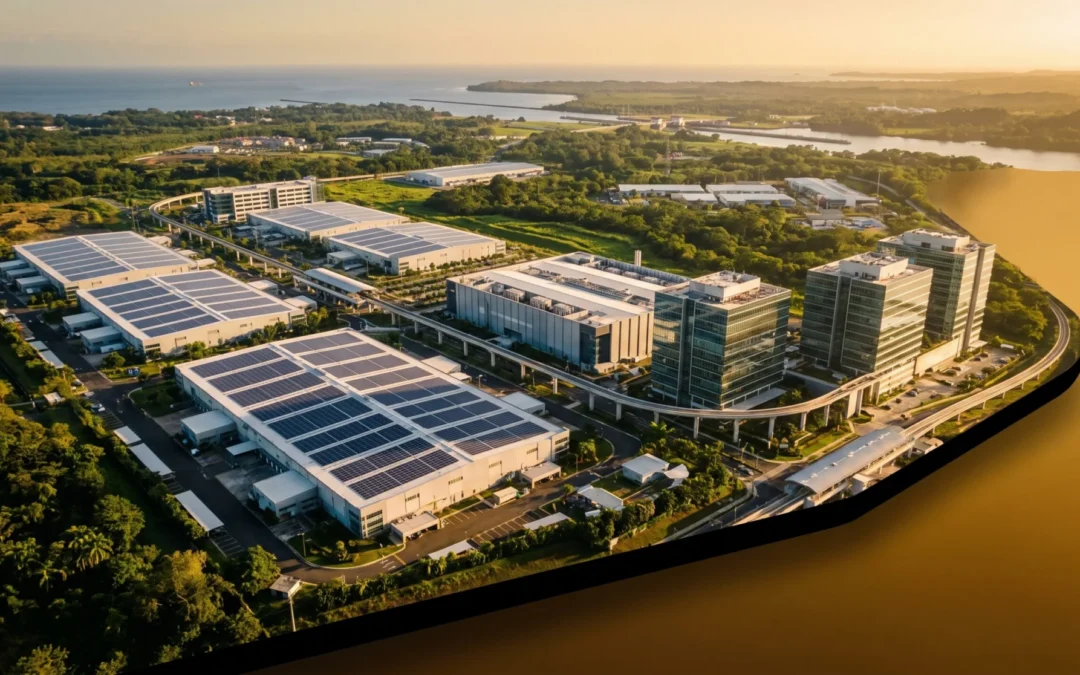
Cover image: illustrative AI-generated render of the Panama Oeste Hub. It is a concept image, not a final design.
Every morning, between 60 and 70 percent of the working population of Arraiján, in western Panama, travels east to Panama City in search of formal employment. That is roughly 84,000 people in a district of nearly 300,000 residents, the second most populous in the country. Mandatum has drafted a proposal to change that equation: the Integrated Hub for Productive, Technological, Corporate and Innovation Development of Panama Oeste.
The idea is simple: bring the jobs to where people live. The Hub is designed to create formal employment inside the district, so that a community that today exports its workers every morning can start keeping them, and their families, at home.
84,000commute to the capital daily
299,079residents of Arraiján (2023 census)
33%in multidimensional poverty
14–18kformal jobs targeted
0public debt or guarantees requested
The problem: a bedroom community
Panama's economy is concentrated in the capital, and the western corridor has become a place where people sleep in the west and work in the east. In Arraiján, which is projected to reach about 415,000 residents by 2030, roughly one third of the population lives in multidimensional poverty. The proposal's diagnosis is that this is a problem of economic geography, not only of transport: without productive infrastructure in the west, the corridor will keep exporting its workers every morning.
What hypercentralization costs Panama each year
Productivity lost in traffic
USD 480–620 M Business and logistics overcosts
USD 195–305 M Environmental externalities
USD 35–55 M Total estimate: USD 710–980 million a year, about 0.9–1.2% of GDP. Source: preliminary proposal.
The Integrated Hub
The Hub is designed as a world-class complex for productive, technological, corporate and innovation development. Its goal is a target of between 14,000 and 18,000 direct formal jobs on site, the kind of employment that today sends Panama Oeste's workers across the canal.
The four pillars
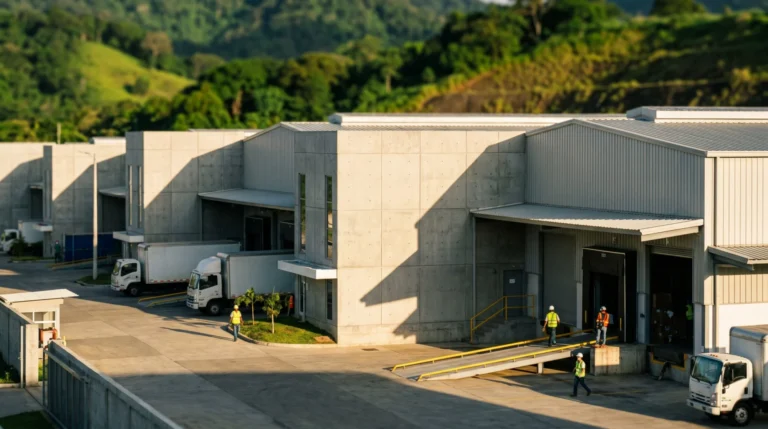 IndustrialA park for 60 to 90 companies in advanced manufacturing and logistics, with modular warehouses, a high-voltage substation, a multimodal logistics platform and a private free-trade-zone regime.
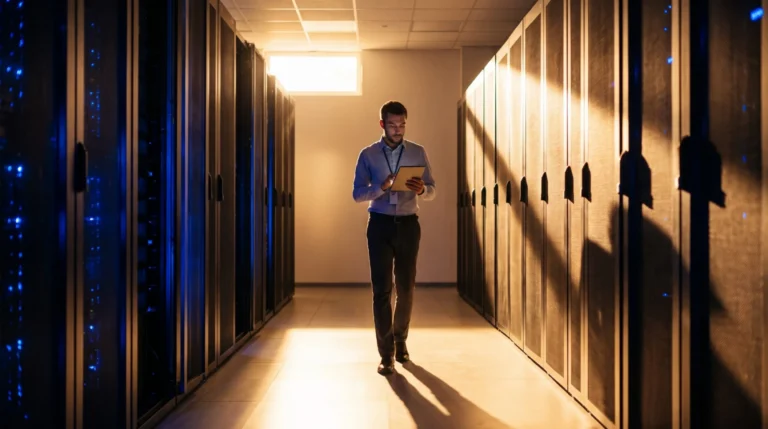 TechnologyTrunk fiber, an internet exchange, Tier III and Tier IV data centers, research laboratories and an innovation campus, built in four stages.
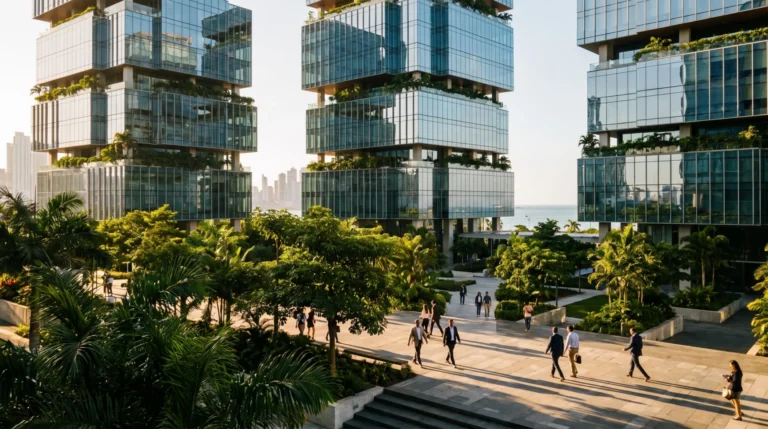 CorporateThree office towers of 18 to 25 floors, LEED Gold and BREEAM standards, 95,000 to 120,000 square meters of rentable space and a convention center.
 Startups4,500 square meters of coworking, makerspaces, accelerators, a mentor network and a seed fund.
Images: AI-generated renders, for illustration only.
Technology, stage by stage
The technology pillar is the most layered. It begins with connectivity, adds data-center capacity in two steps and ends with a campus where research, startups and large operators share the same grid.
The technology pillar, stage by stage
Stage T1 · years 1–2Trunk fiber, internet exchange point and a technology services hub.
Stage T2 · years 2–4Tier III data center (12 MW) and research and development laboratories.
Stage T3 · years 4–6Tier IV data center (36 MW) and the Innovation Campus.
Stage T4 · years 6–8Energy autonomy and build-to-suit space for hyperscale operators.
Critical infrastructure around the Hub
Operations centerThe physical seat of Mandatum on site, with a situation room and a direct link to its headquarters.
High-level securityTriple perimeter, drones, biometric locks, a 24/7 operations center and agreements with national security agencies.
Green and emergency areaModular tents and a water reservoir, ready to be activated within 4 to 12 hours with the national civil protection system and the Red Cross.
Hub monorail4.2 kilometers and five internal stations, linking neighboring communities with the Hub.
Delivery runs through successive control gates. No stage starts before the last one is closed and certified, and no payment to a contractor is released without certification from an independent technical validation entity. An outside audit firm reviews every transaction at the close of each stage, and the construction contract fixes a guaranteed maximum price. Mandatum has committed not to lower its audit, governance or transparency standards to make up for administrative delays, including those of the State itself.
The road ahead
The proposal lays out a sequence in which each step enables the next:
1. Presentation and expression of interestPendingFormal delivery to the Government of Panama and technical sessions, followed by an official statement of interest.
2. Memorandum of understandingA trilateral agreement among the Government, the public infrastructure coordinating unit and Mandatum, defining incentives, site and permits roadmap.
3. Structuring with the financing bodyThe project is prepared for the international financing body, with environmental and social studies and an audited financial model.
4. Approval of the financing bodyTechnical review, risk analysis and board approval.
5. Trilateral instrumentsFramework agreement, central bank coordination, a payment account in a local bank and the setting up of Mandatum Panama.
The proposal is a preliminary working document, prepared entirely with Mandatum's own funds, and it is not a binding commitment or an investment offer. Its next step depends on whether the Government of Panama expresses interest. If it does, a district that exports its workers every day could start keeping them, and their families, at home.
This project has a detailed technical document covering the investment costs, the break-even point, maintenance and operating costs, financing, and ownership structure. The document is available to the members of the Order. Interested members may contact the Chancellery of the Order in their country to request the information.
For members of the Order:
The full preliminary proposal (in Spanish, the language in which it was presented) is available to members of the Order. To access it, you must subscribe to the Herald (free) and sign in with your organization email address.
 Barça
 Peñarol
 Inter Miami


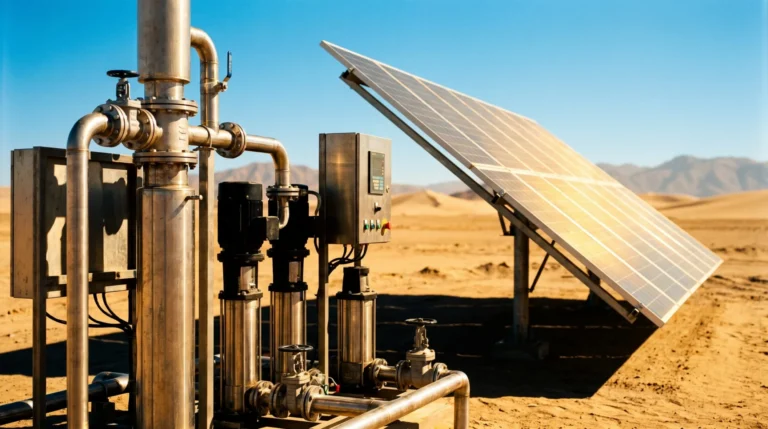 Deep wells
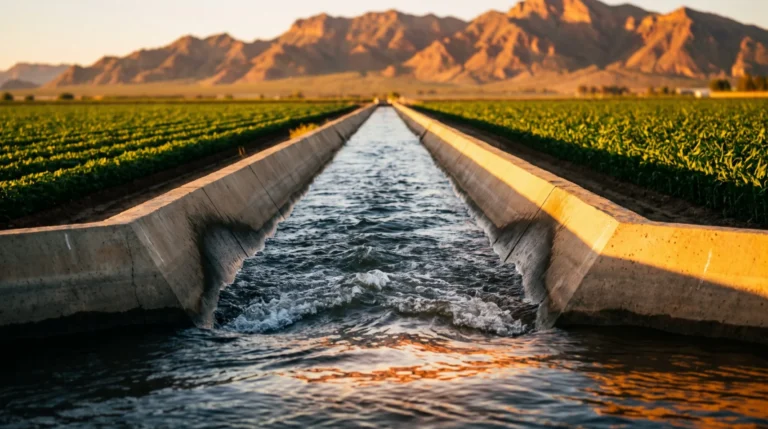 Regional canals
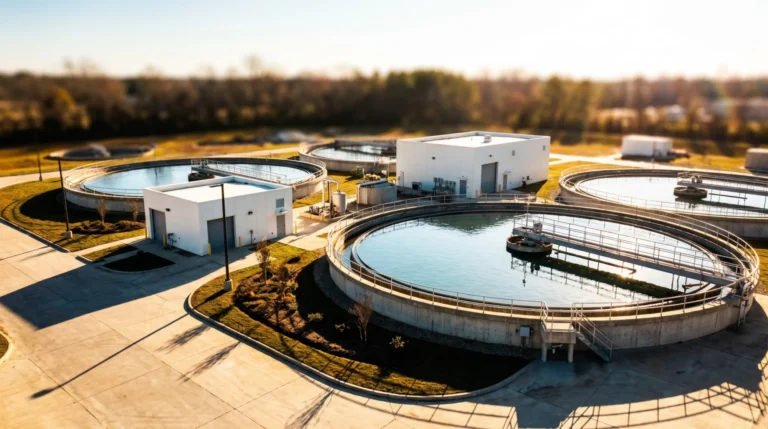 Backup plant
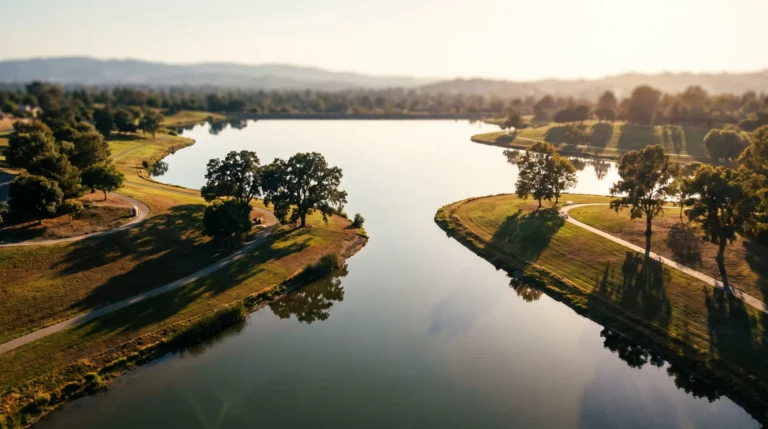 Flood-control reservoir
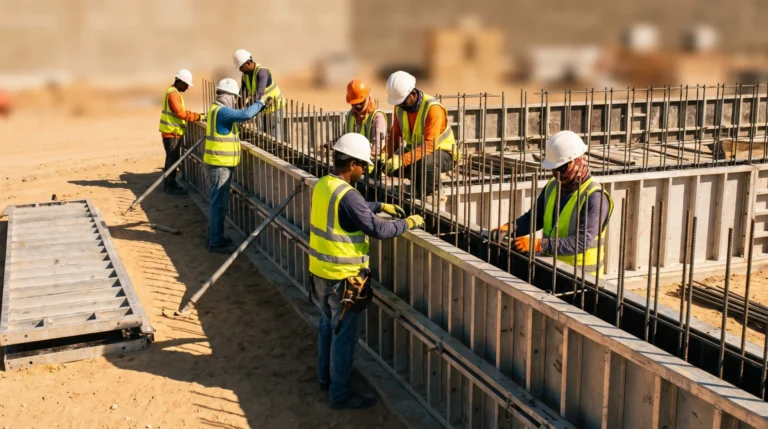 Industrialized build
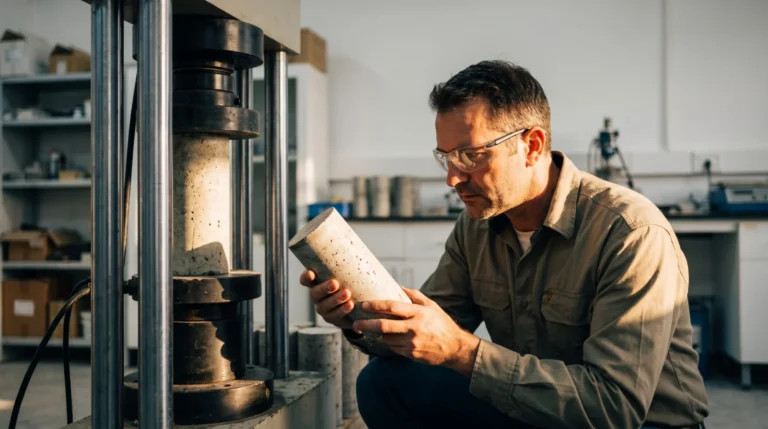 Controlled concrete
 BIM and digital twin
 Base isolators
 Verified on site