The crest of Mandatum now has a place on your screen. We are offering two official wallpapers of the Order, one made for phones and one for computers, free for the members of the Order.
For members of the Order. The full-resolution wallpapers are available only to members of the Order. To download them, subscribe to the Herald (free) and sign in with your organization email address. The images below are low-resolution previews.
Download
For phones · iPhone and Android
For computers · Windows, Mac and Linux
Tip. If the download only opens the image, press and hold it (phone) or right-click it (computer) and choose to save the image.
How to set it as your wallpaper
iPhone and iPad (iOS)1. Download the phone wallpaper and open it from the Photos app. 2. Tap the Share button, then choose Use as Wallpaper. 3. Move and zoom the image if you wish, then tap Add and choose Set as Wallpaper Pair (or customize the Home Screen).
Android1. Download the phone wallpaper, then open it in the Gallery or Google Photos app. 2. Tap the three-dot menu and choose Set as wallpaper (on some phones: Use as, then Wallpaper). 3. Choose Home screen, Lock screen or both, and confirm.
Windows 10 and 111. Download the desktop wallpaper. 2. Right-click the file and choose Set as desktop background. 3. Or open Settings, Personalization, Background, choose Picture, click Browse photos and select the file. Set the fit to Fill.
macOS1. Download the desktop wallpaper. 2. Open System Settings, Wallpaper, click Add Photo (or Add Folder or Album) and select the file. 3. Or right-click the file in Finder and choose Set Desktop Picture.
Linux1. Download the desktop wallpaper. 2. GNOME (Ubuntu, Fedora): right-click the file and choose Set as Wallpaper, or open Settings, Background and add the picture. 3. KDE Plasma: right-click the desktop, choose Configure Desktop and Wallpaper, and add the image. 4. Other environments: look for the Appearance or Background settings, or use a tool such as feh.
This is a working concept, not a project under execution. It comes from an internal, preliminary and non-binding working draft. No land has yet been identified in the part of the district where building would be possible. There is no agreement yet with the national government, the local government or the Indigenous peoples of the area. All figures are orders of magnitude that still have to be validated through market, engineering and environmental studies. If consensus is not reached, Mandatum withdraws.
More than three quarters of the district of Bocas del Toro, on Panama’s Caribbean coast, is protected land. It includes the Isla Bastimentos Marine National Park, mangroves, reefs and rainforest. Roughly 100,000 visitors come every year, yet around half of the homes in the island and rural communities still lack a stable connection to the electric grid, which pushes families to cut mangrove for firewood.
Mandatum is studying an idea for this territory, and it begins with a condition: nothing moves forward without consensus. Any project would need the agreement of the national government, the local government and the Indigenous peoples of the area, with prior, free and informed consent before any work begins. If that agreement is not reached, Mandatum withdraws.
75.6%of the district is protected
3floors at most
100%renewable energy
3parties must agree first
0works without prior consent
The starting point: a territory that is mostly protected
According to the local land-use plan and the strategic environmental assessment, 21,125.94 hectares, 75.63% of the district, are classified as environmental protection land, including the Isla Bastimentos Marine National Park (13,226 hectares). Anything built would be limited to the remaining 24%. The protected land would not be touched.
How the district’s land is classified
Protected land
75.63%
Remaining land, where building could be considered
24.37%
Source: local land-use plan and strategic environmental assessment of the district.
The area and its surroundings are also home to Indigenous peoples with recognised territories, the Ngäbe-Buglé and Naso Tjër Di comarcas, besides the Afro-Caribbean and Creole population of the archipelago. About half of the homes in island and rural communities have no stable electricity, which drives the extraction of mangrove for firewood.
Consensus as a condition
The purpose is to support the people of Bocas del Toro so that they have an ecologically and economically sustainable project. Mandatum works with governments and with the population, not above them. The concept can be adapted or changed as many times as needed to arrive at a version that supports the people, and consensus has to exist from the start. Once agreed, the plan adapts to what was agreed, not the other way around.
Who has to agree before any work
National governmentThe Presidency of the Republic.
Local governmentThe Municipality of Bocas del Toro.
Indigenous peoplesTraditional authorities, with prior, free and informed consent.
Institutions and communityEnvironment and tourism authorities, and community organisations, through a single window.
What the concept would include
A low-rise ecological complex that brings together tourism, housing and local enterprise, all owned and operated by Mandatum and designed so that the income stays in the community.
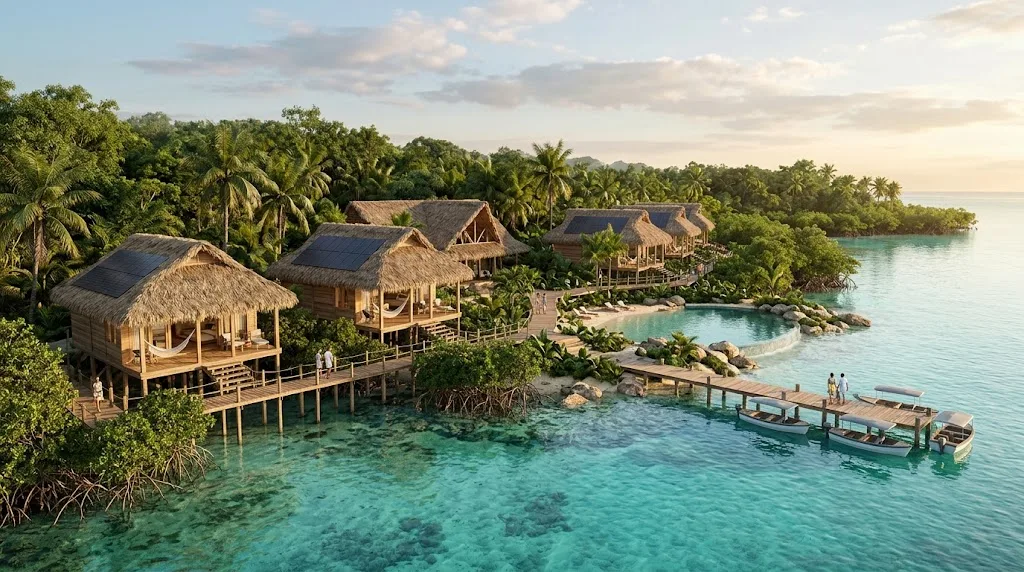
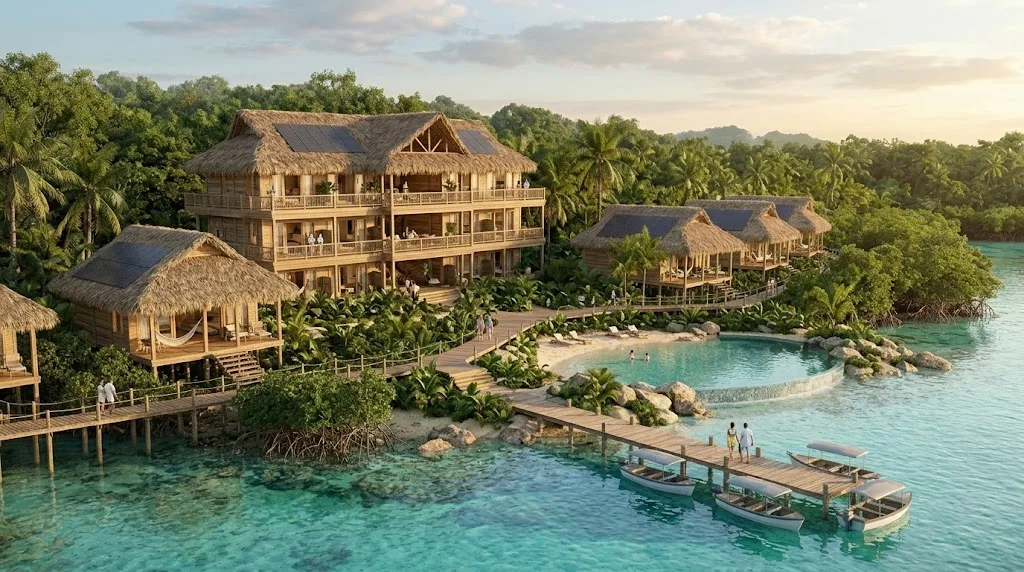
Illustrative render of a partial hotel area: low-rise bungalows on stilts, integrated with mangroves and the sea. Concept image, not a final design.
Components of the concept
Eco-resortsFive hotels of about 150 rooms each, in bungalows and buildings of up to three floors, under ecological hotel brands operated by Mandatum.
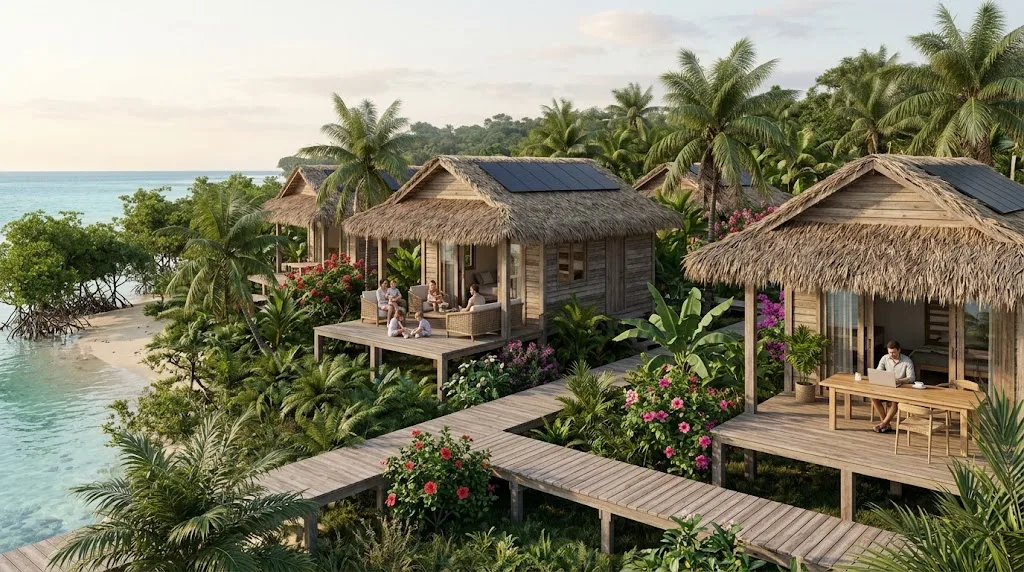
Eco-villasAbout 300 villas inside the hotel grounds, for families, long stays and remote workers, without adding density.
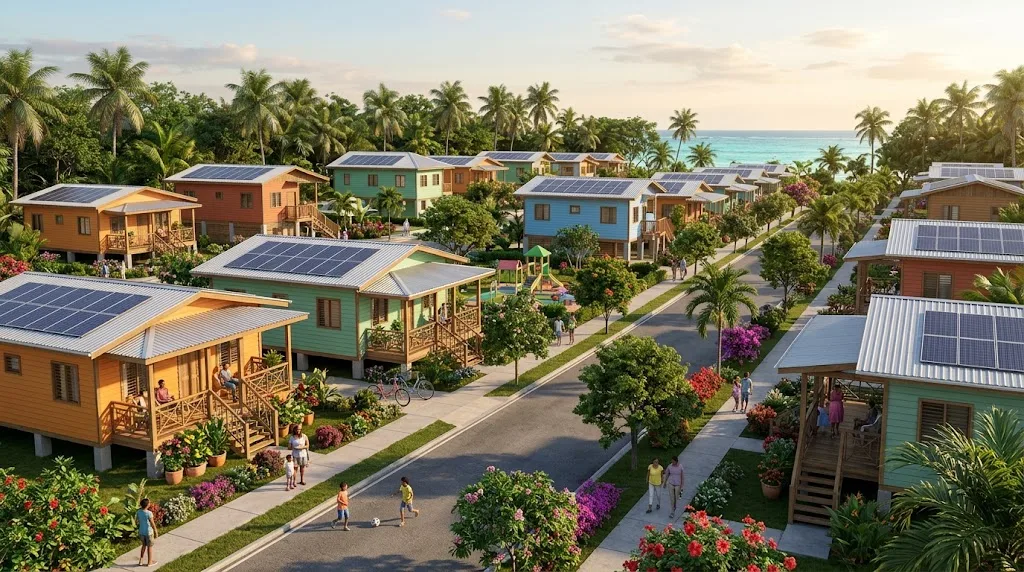
Community housingAbout 1,500 homes for workers and families of the district, with solar energy, water and sanitation, at affordable rents.
Pueblo AzulA commercial district and waterfront promenade with a craft market, gastronomy and public space, with shops let at social rates to local entrepreneurs.
Local micro-businessesAbout 250 restaurants, shops, tours and services run by local entrepreneurs under concession.
Schools and incubatorsA School of Hospitality, Trades and Business, three business incubation centres and a revolving fund for small commerce.
Electric mobilityA marina, piers and electric boats and land vehicles, with local operators as concession holders.
Clean infrastructureA solar micro-grid with storage, drinking water, sanitation and waste management for the project and the community.
Blue TerritoryAn environmental programme of conservation, mangrove restoration and blue carbon, with local rangers and independent monitoring.
Local people first
Hiring from the community would come first. Restaurants, shops, spa, tours and transfers would be given in concession to local micro-entrepreneurs, trained and incubated by the project itself. Each entrepreneur would be accompanied until reaching break-even, and the capital that comes back would return to the fund.
Path of a local entrepreneur
1. TrainingManagement, finance, digital marketing, quality and tourist service.
2. IncubationPremises, equipment and mentoring, with a grace period.
3. Development capitalSeed capital and soft loans until break-even.
4. ConcessionA place in a hotel, in Pueblo Azul or in the tour and transfer network.
5. GraduationAccess to bank credit and to national and export markets.
Ecological in practice
Buildings would stay at three floors or fewer, with low density, local and low-carbon materials, 100% renewable energy, full management of water and waste, and independent, verifiable certification under tourism and sustainable-building standards. The concept would also advance the State’s environmental agenda: mangrove restoration, park rangers and monitoring, leaving public institutions with better control capacity.
How it would sustain itself
The capital would be managed by Mandatum and would not be reimbursable: no dividends and no return of the investment. Mandatum would own 100% of the assets through a local non-profit entity, operate them in perpetuity and sustain them with the income that the operation itself generates. Ecological hotel brands would provide their name, standards and distribution under franchise contract, while ownership and operation remain with Mandatum. Any surplus would go to a development reserve managed according to the Order’s institutional purposes.
Phases
Timeline of the concept
Gate A · Consensus and activation (year 0 to 1)Formal consensus with the Presidency, the Municipality and the Indigenous authorities, a condition to continue; framework agreement with the government; studies and master plan; selection of land and ecological brands.
Phase I (years 1 to 3)2 hotels, 60 villas, 600 homes, half of the micro-grid, the school, 2 incubation centres, the fund and the Blue Territory programme.
Phase II (years 4 to 6)2 hotels, 150 villas, 600 homes, a third incubation centre, Pueblo Azul complete and an expanded marina.
Phase III (years 7 to 9)The fifth hotel, 90 villas, 300 homes and the closing of the infrastructure.
Gate D · Perpetual operation (year 10 onward)Self-sustaining operation, audit and the development reserve.
Open questions
Land has not been identified within the part of the district where building could be considered. The visitors the project would receive, about 95,000 per year, would be added to the roughly 100,000 who come today, so a carrying-capacity study validated by the environmental authority, the new airport and more flights would be needed. The market assumptions describe a tourism segment that barely exists in the destination today, ecological hotel brands are fewer than conventional ones and may have different franchise terms, and no carbon revenue is counted because it is not guaranteed.
Next steps
The next steps are to prepare a defining preliminary project to reach consensus; to hold a first approach to the Presidency, the Municipality, the traditional authorities of the Indigenous peoples and the environment and tourism authorities; to integrate the environmental programme with its technical partner; and to pre-select ecological hotel brands with franchise programmes.
For members of the Order: The master plan for this concept, with its structure and preliminary financial model, is an internal working draft available to members of the Order. To access it, you must subscribe to the Herald (free) and sign in with your organization email address.
Photo: Bocas del Toro, Panama. Unsplash, CC0 (public domain), via Wikimedia Commons.
Three days after lung cancer surgery, Pope Leo XIV phoned Russian President Vladimir Putin from his room at Rome’s Gemelli Hospital to plead for the civilians of Oleshky.
The conversation took place on October 16, 2026, and the Vatican confirmed it in a note to the press. The Holy Father had one request: a ceasefire so that food and medical aid could reach Oleshky, a city in Ukraine’s Kherson region, and so that civilians who wish to leave could do so safely.
A city cut off
Oleshky lies in a front-line zone where, according to Ukrainian religious leaders, residents have been cut off from supplies for months. Those leaders had appealed to the Pope and other faith leaders in September to intervene.
Two accounts of the call
The Vatican
Leo XIV also reaffirmed the Holy See’s commitment to dialogue and peace.
The Kremlin
As reported by Reuters, the call was constructive, Putin wished the Pope a speedy recovery and both sides agreed to cooperate on delivering aid. The Kremlin also blamed Kyiv for the situation in the city, a claim Ukraine rejects.
A pattern of appeals
June 2025
First conversation between the two men since the Pope’s election.
September
Ukrainian religious leaders appeal to the Pope and other faith leaders for Oleshky.
October 16
The Pope calls Putin from hospital; the same day he issues a World Food Day message declaring access to sufficient food a basic human right.
The gesture says something about this pontificate: a Pope recovering from major surgery who still spends his strength on people he has never met. For those trapped in Oleshky, what matters now is whether words become convoys.
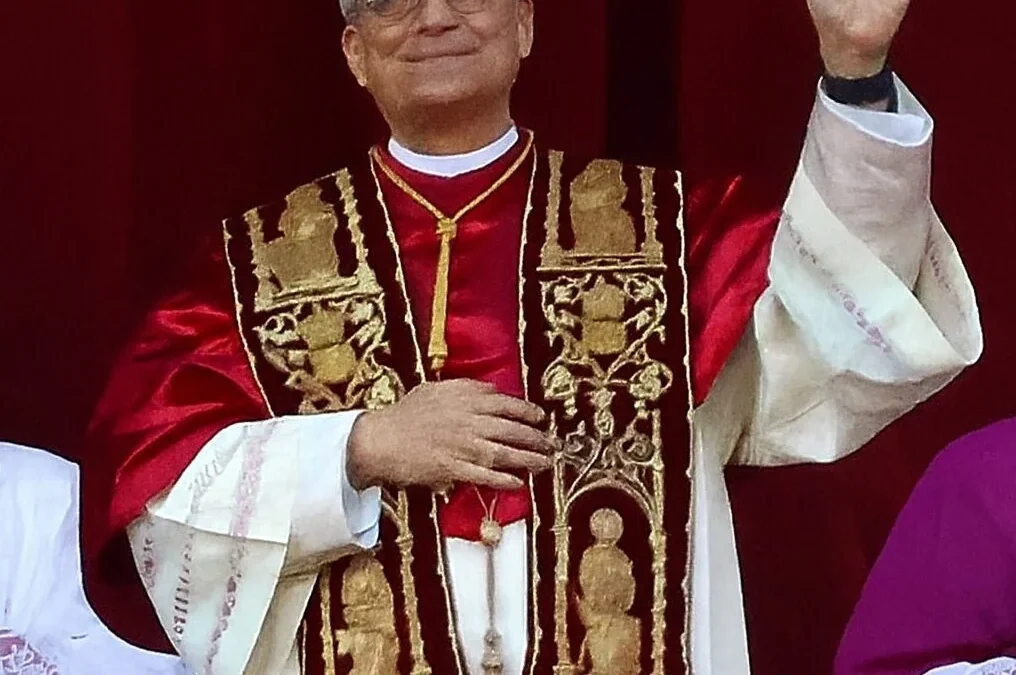
Sources: Holy See Press Office, via America Magazine and National Catholic Reporter; Reuters (Kremlin account). Photo: Edgar Beltrán / The Pillar, CC BY-SA 4.0, via Wikimedia Commons.
Pope Leo XIV will travel to Latin America from 6 to 17 November 2026: ten cities in twelve days across Uruguay, Argentina and Peru, according to the itinerary released by the Vatican.
The itinerary
Uruguay · 6–8 November
Montevideo, Paysandú and Florida. The first papal visit to the country since 1988. Motto: “I bring you news of great joy.”
Argentina · 8–11 November
Buenos Aires, Córdoba and Luján, the home country of Pope Francis; the last papal visit was in 1987. Motto: “Welcome everyone. Go and proclaim.”
Peru · 11–17 November
Lima, Chiclayo, Cuzco and Pucallpa. The longest leg, in a country where the Pope spent years in missionary work. Motto: “Let us open our hearts.”
Further journeys: the Holy See has also announced trips without dates yet, including South Korea for World Youth Day 2027.
The Mandatum Herald will follow the journey as it happens.
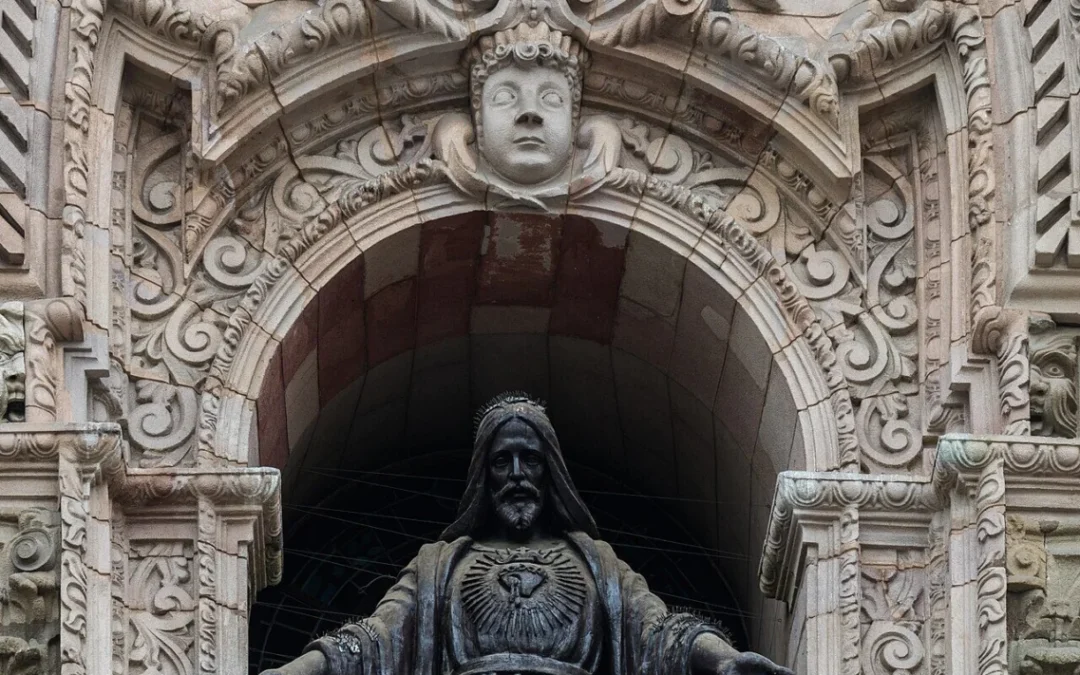
Photo: Diego Delso, Wikimedia Commons, CC BY-SA 4.0.
Pope Leo XIV visited Spain from 6 to 12 June 2026, the first papal visit to the country since 2011. The motto of the journey was “Lift up your gaze!”
Where he went
The program took him to Madrid, Barcelona and the Abbey of Montserrat, where he prayed the rosary, and then to the Canary Islands, one of the main arrival points for migrants crossing from Africa. It included liturgical celebrations in Madrid and Barcelona; Barcelona also marked the centenary of the death of Antoni Gaudí, with the Tower of Jesus Christ at the Sagrada Família on the schedule.
Migrants, the poor and the wounded
In the Canary Islands the Pope met migrants in reception centers and the local Church that welcomes them. He also met abuse survivors who asked to be heard, prisoners, young people and the poor, and mentioned a child who read him a letter at a parish.
The message
Unity
The enthusiasm of the Spanish people suggests a desire for unity on a foundation that is neither ideological nor based on narrow interests.
Dialogue
He urged Spaniards to overcome division through communion and “unity in diversity.”
Migration
He asked Christians to reread the Gospel with an openness to the exchange of cultural gifts, acknowledging that the issue calls for coordinated action.
Hope
The world needs to hear the Gospel of hope in the face of a “deceptive model of development.”
Looking back: at his general audience on 17 June, he said the people of God “gave me great comfort through their joyful expression of their faith and affection.”
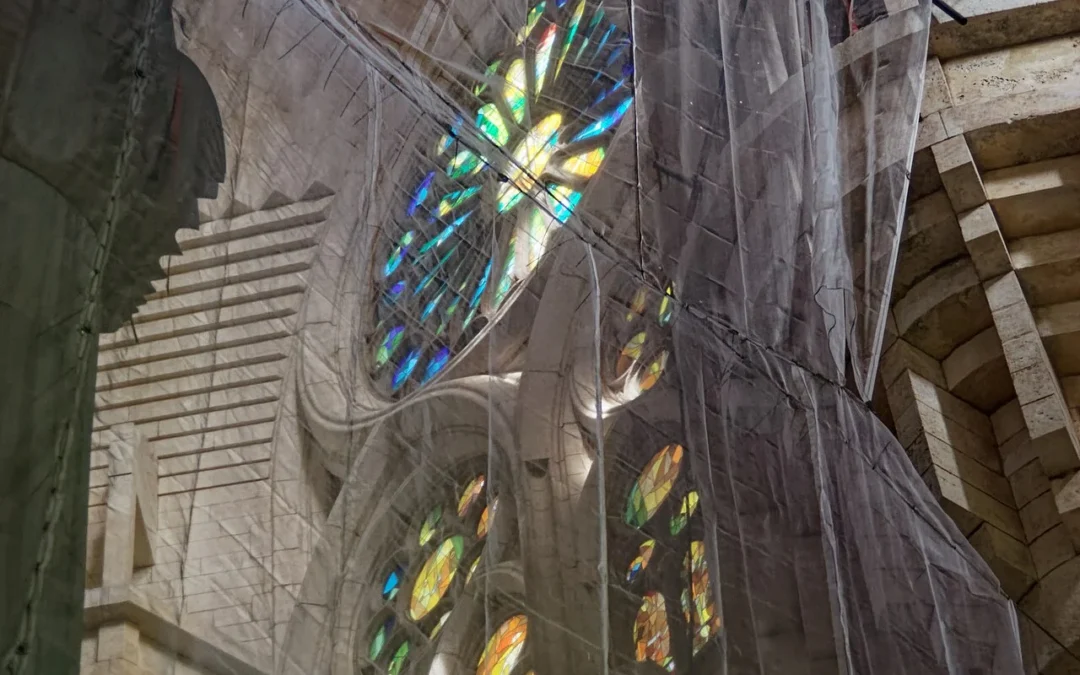
Photo: Txllxt TxllxT, Wikimedia Commons, CC BY-SA 4.0.
 Barça
 Peñarol
 Inter Miami




 Eco-resorts
 Eco-villas
 Community housing
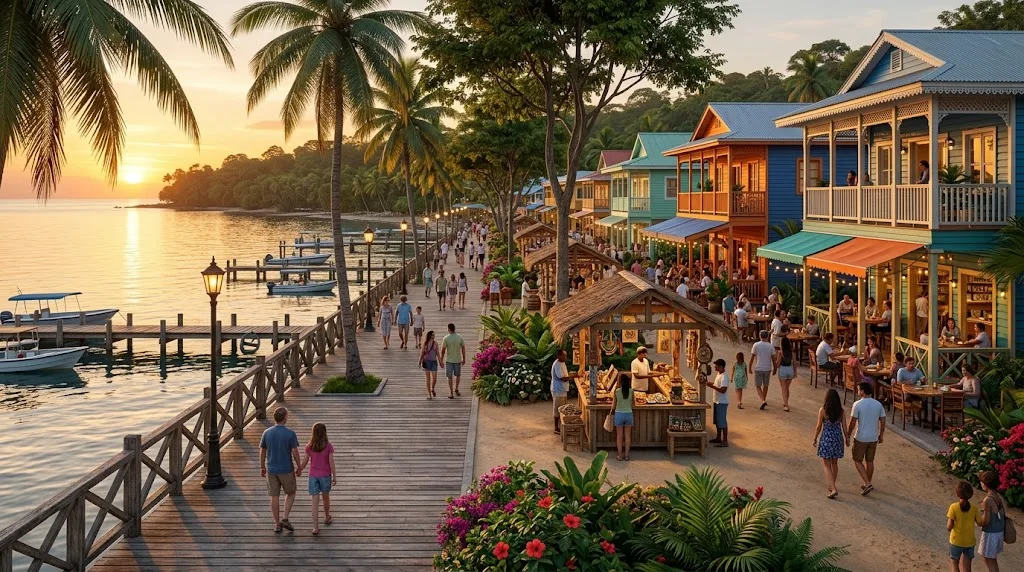 Pueblo Azul
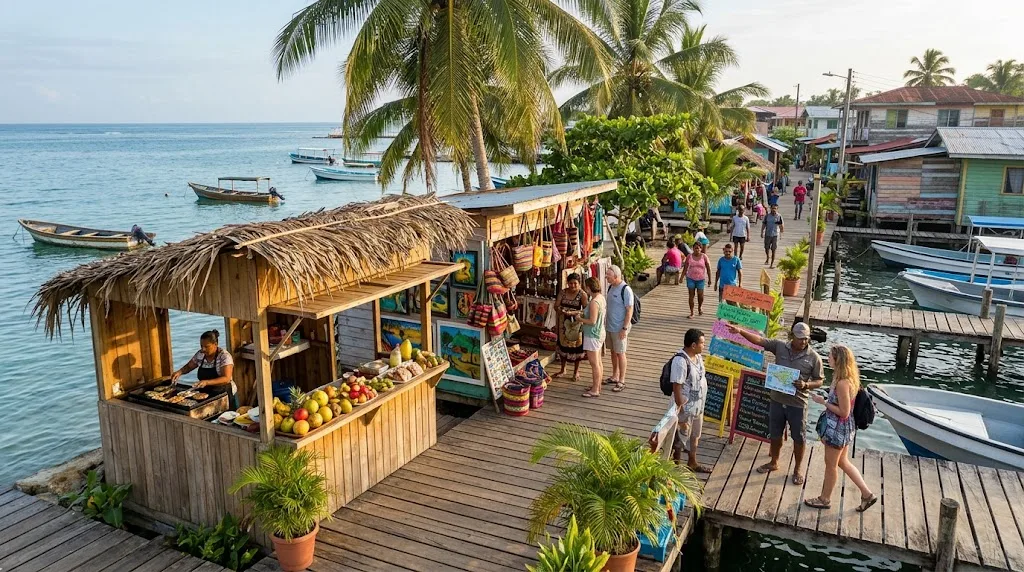 Local micro-businesses
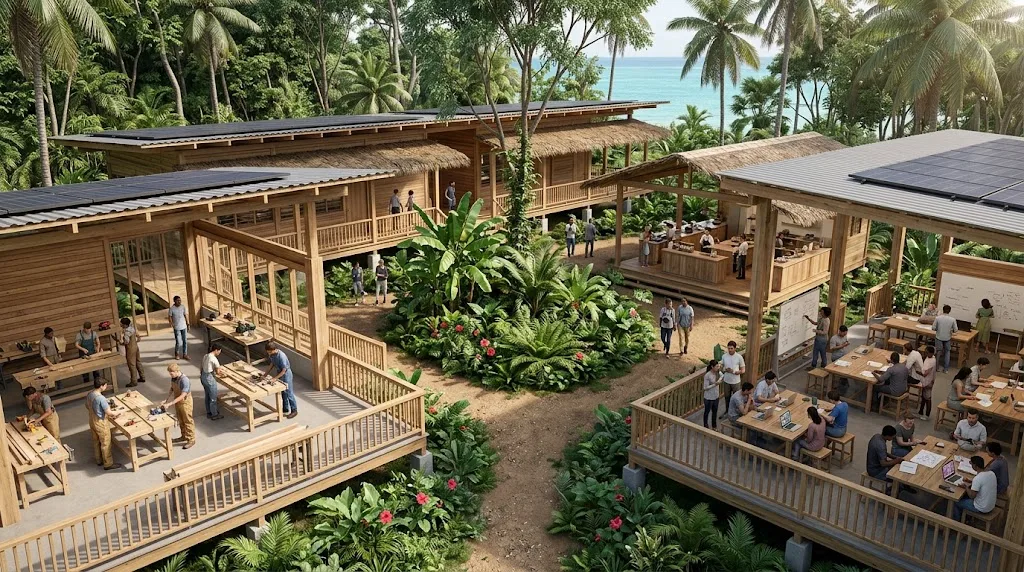 Schools and incubators
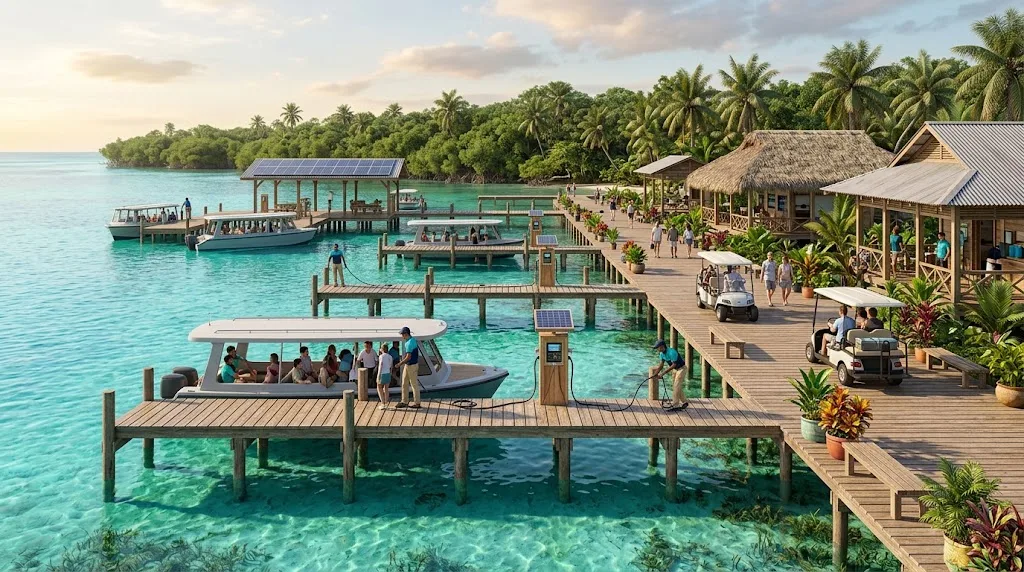 Electric mobility
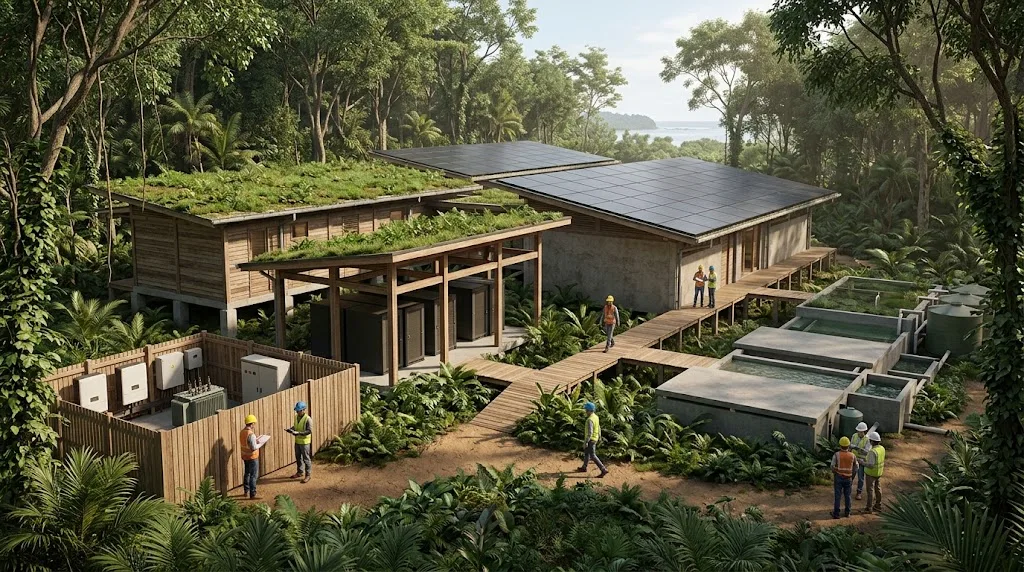 Clean infrastructure
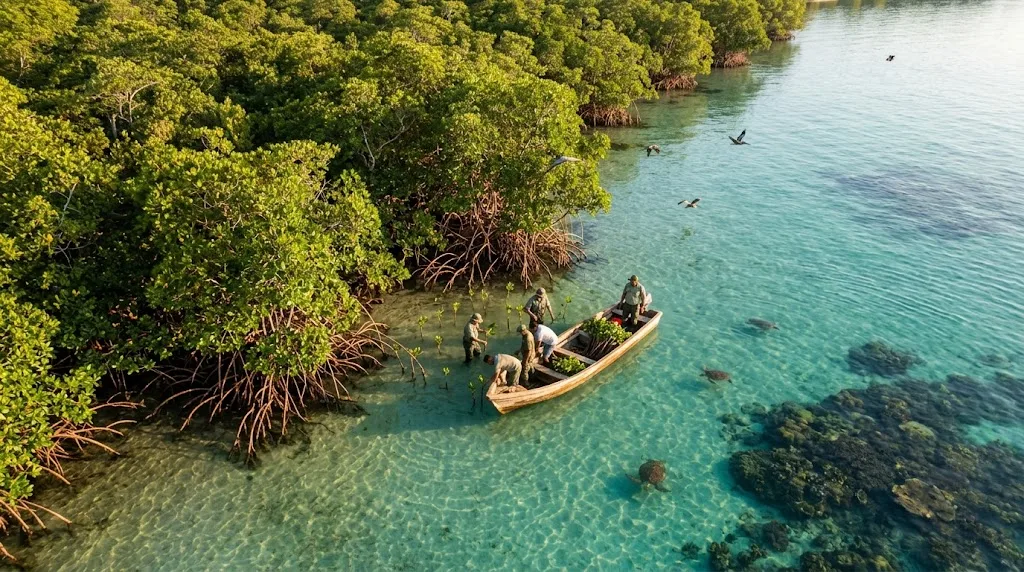 Blue Territory