
 Barça
 Peñarol
 Inter Miami
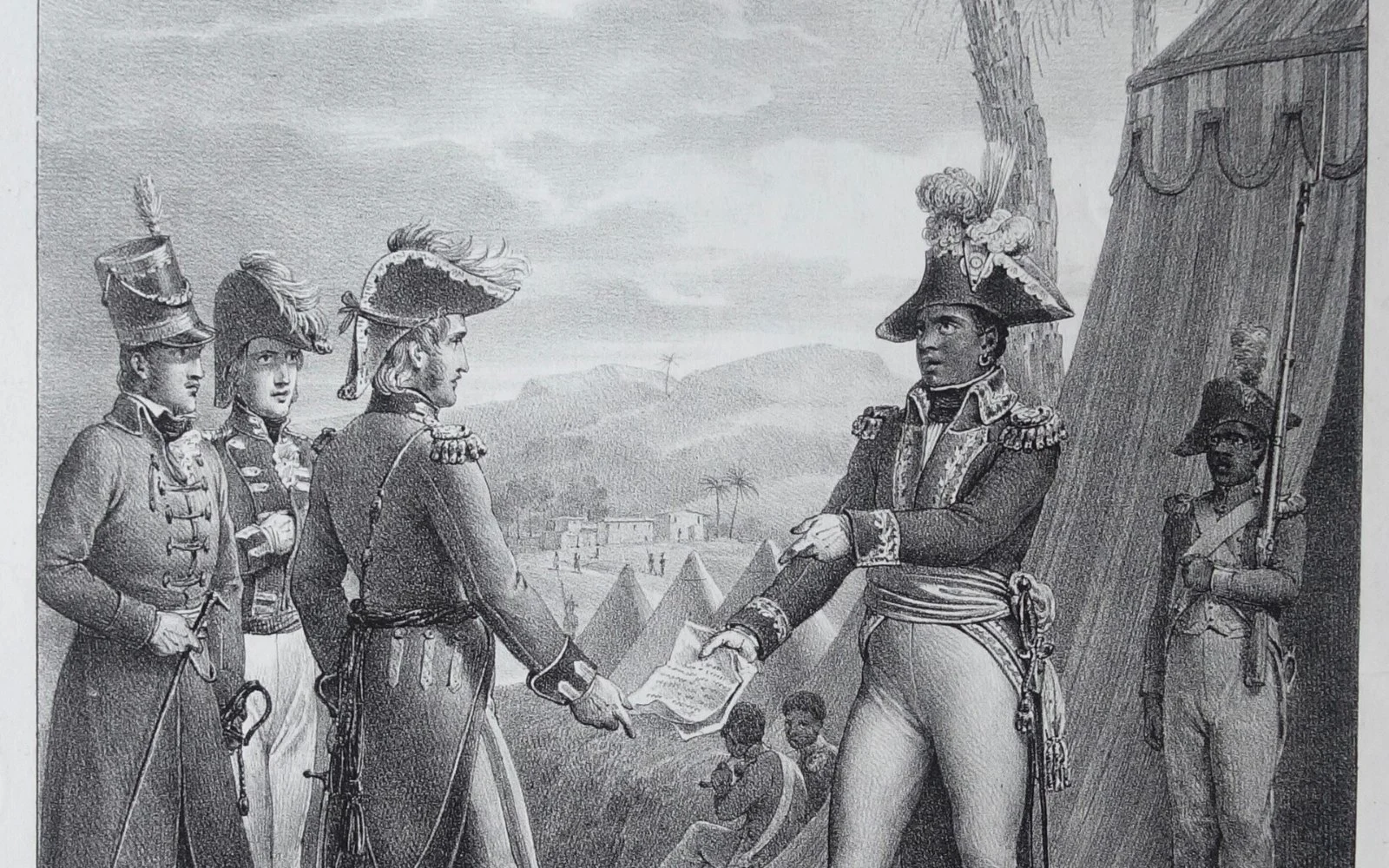
On 18 November 1803, just south of Cap-Français in what was then Saint-Domingue, the army of Jean-Jacques Dessalines faced French forces commanded by General Donatien de Rochambeau. The battle of Vertières ended in a rebel victory.
The road to Vertières
The revolution had begun in 1791. Its best-known leader, Toussaint Louverture, was arrested by the French in 1802 and died in French captivity in April 1803. Dessalines, one of his generals, took command, and the fighting resumed with the former colony's army and many of its people united against the French.
The battle and its aftermath
François Capois, whose courage under fire became legendary in Haitian memory, was among the commanders. Rochambeau withdrew under cover of a storm and, the next morning, sent a representative to negotiate. The terms gave the French ten days to leave the island.
Independence and remembrance
Dessalines proclaimed the independent nation of Haiti on 1 January 1804, making it the first independent state in Latin America and the Caribbean, and the first republic founded by formerly enslaved people. In Haiti, 18 November is widely commemorated as a day of victory.
Image: Engraving of Toussaint Louverture receiving British General Thomas Maitland, 30 March 1798 (public domain), via Wikimedia Commons. It shows an earlier phase of the revolution, not the battle itself.
Sources: Wikipedia: Battle of Vertières