
 Barça
 Peñarol
 Inter Miami
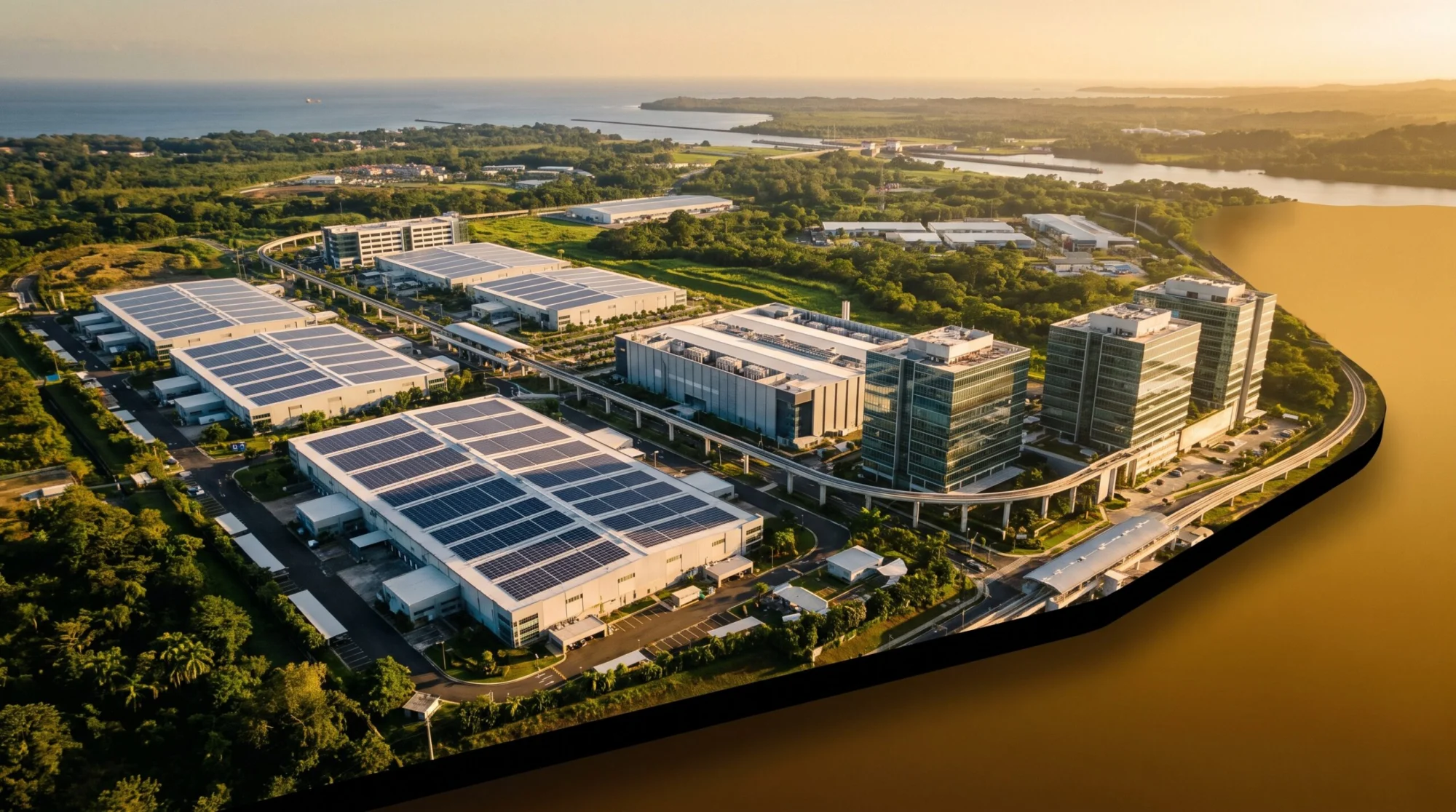
Cover image: illustrative AI-generated render of the Panama Oeste Hub. It is a concept image, not a final design.
Every morning, between 60 and 70 percent of the working population of Arraiján, in western Panama, travels east to Panama City in search of formal employment. That is roughly 84,000 people in a district of nearly 300,000 residents, the second most populous in the country. Mandatum has drafted a proposal to change that equation: the Integrated Hub for Productive, Technological, Corporate and Innovation Development of Panama Oeste.
The idea is simple: bring the jobs to where people live. The Hub is designed to create formal employment inside the district, so that a community that today exports its workers every morning can start keeping them, and their families, at home.
The problem: a bedroom community
Panama's economy is concentrated in the capital, and the western corridor has become a place where people sleep in the west and work in the east. In Arraiján, which is projected to reach about 415,000 residents by 2030, roughly one third of the population lives in multidimensional poverty. The proposal's diagnosis is that this is a problem of economic geography, not only of transport: without productive infrastructure in the west, the corridor will keep exporting its workers every morning.
The Integrated Hub
The Hub is designed as a world-class complex for productive, technological, corporate and innovation development. Its goal is a target of between 14,000 and 18,000 direct formal jobs on site, the kind of employment that today sends Panama Oeste's workers across the canal.
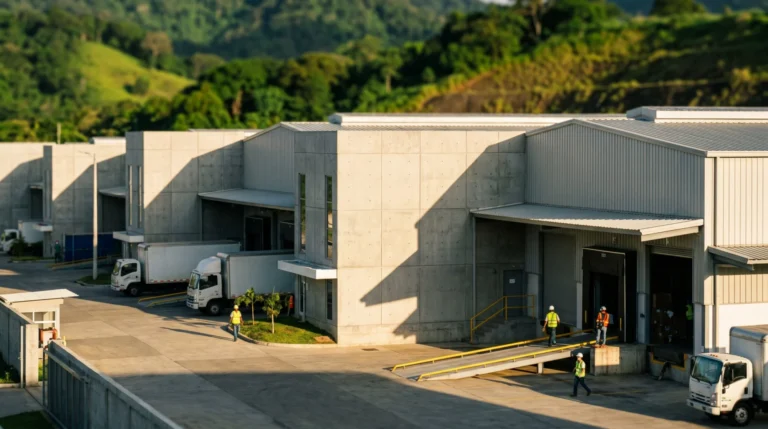 IndustrialA park for 60 to 90 companies in advanced manufacturing and logistics, with modular warehouses, a high-voltage substation, a multimodal logistics platform and a private free-trade-zone regime.
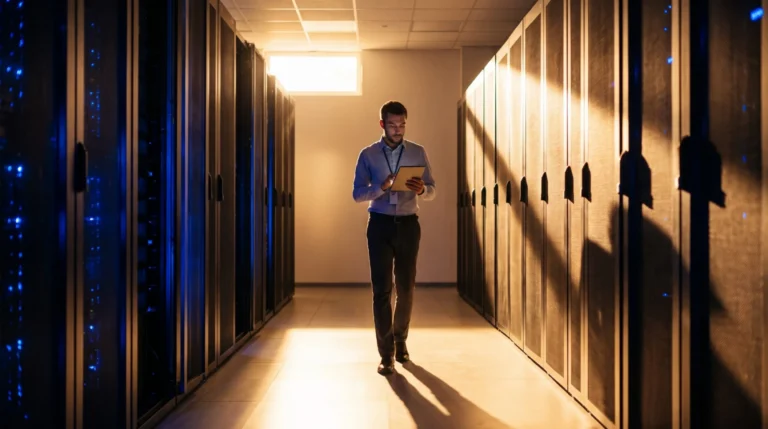 TechnologyTrunk fiber, an internet exchange, Tier III and Tier IV data centers, research laboratories and an innovation campus, built in four stages.
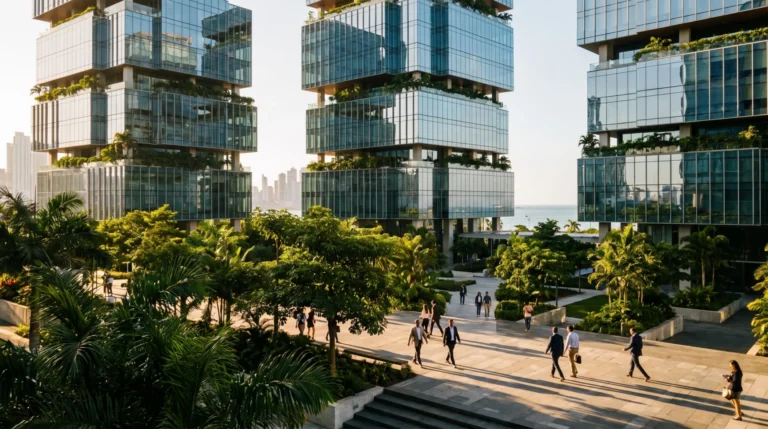 CorporateThree office towers of 18 to 25 floors, LEED Gold and BREEAM standards, 95,000 to 120,000 square meters of rentable space and a convention center.
 Startups4,500 square meters of coworking, makerspaces, accelerators, a mentor network and a seed fund.
Technology, stage by stage
The technology pillar is the most layered. It begins with connectivity, adds data-center capacity in two steps and ends with a campus where research, startups and large operators share the same grid.
Delivery runs through successive control gates. No stage starts before the last one is closed and certified, and no payment to a contractor is released without certification from an independent technical validation entity. An outside audit firm reviews every transaction at the close of each stage, and the construction contract fixes a guaranteed maximum price. Mandatum has committed not to lower its audit, governance or transparency standards to make up for administrative delays, including those of the State itself.
The road ahead
The proposal lays out a sequence in which each step enables the next:
The proposal is a preliminary working document, prepared entirely with Mandatum's own funds, and it is not a binding commitment or an investment offer. Its next step depends on whether the Government of Panama expresses interest. If it does, a district that exports its workers every day could start keeping them, and their families, at home.
This project has a detailed technical document covering the investment costs, the break-even point, maintenance and operating costs, financing, and ownership structure. The document is available to the members of the Order. Interested members may contact the Chancellery of the Order in their country to request the information.
The full preliminary proposal (in Spanish, the language in which it was presented) is available to members of the Order. To access it, you must subscribe to the Herald (free) and sign in with your organization email address.