 Barça
 Peñarol
 Inter Miami
Every October, Lima turns purple. Hundreds of thousands of people follow an image of the crucified Christ through the streets of the old city, in one of the largest Catholic processions in the Americas. In 2026 there are two processions still to come, on Wednesday, October 28, and Sunday, November 1.
A painting that survived the earthquakes
The Lord of Miracles is a painting of the crucified Christ made in the seventeenth century by an African man taken from present-day Angola to Peru as a slave. Earthquakes in 1655, 1687 and 1746 destroyed most of Lima, and the image remained standing. Many residents saw this as a miracle, and the name comes from there.
The devotion began among Afro-Peruvians and was taken up by the Creole middle class in the eighteenth century. Today it belongs to the whole city.
Why purple
Purple is the color of the procession. Those who walk in it wear purple habits tied with a white cord, and October is informally called the “purple month” in Peru. The men who carry the palanquin with the image belong to the Confraternity of the Lord of Miracles of Nazarenas, whose sanctuary is the starting and ending point of every outing.
The routes still ahead
According to the official schedule published by El Peruano, the remaining processions are these:
- Wednesday, October 28: leaves the Nazarenas sanctuary along Avenida Tacna, Avenida Nicolás de Piérola, Jirón Cañete and Avenida Alfonso Ugarte, and enters the Arzobispo Loayza Hospital. It continues along Avenidas Venezuela, Bolivia and Garcilaso de la Vega and returns by Avenida Tacna.
- Sunday, November 1: goes along Avenida Tacna, Jirón Callao, Jirón Chancay and Avenida Emancipación, and ends when the image enters the Monastery of the Nazarenas.
Earlier this month the image went out on October 3, 18 and 19. The October 18 route reached the Plaza Mayor, and on October 19 the image visited the Dos de Mayo and Almenara hospitals.
A devotion that crosses the country
For Peruvians at home and abroad, the Lord of Miracles is a fixed point in the calendar. The processions bring together faith, family and the memory of a city that has rebuilt itself more than once.
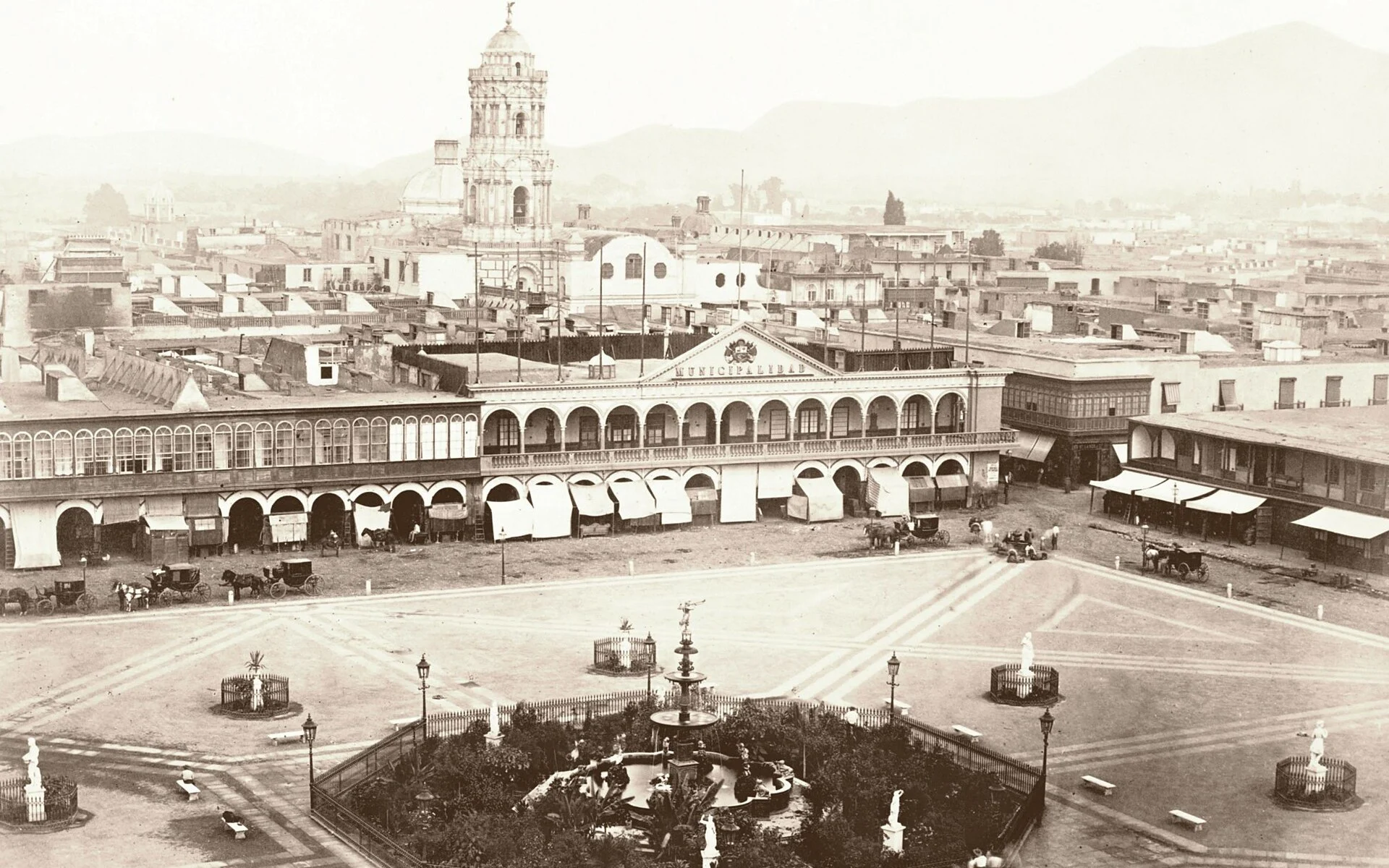
Sources: El Peruano, “Señor de los Milagros 2026: conoce las fechas y rutas de sus cinco recorridos procesionales”; Wikipedia, “Lord of Miracles.” Image: the Plaza de Armas of Lima in 1865, public domain, via Wikimedia Commons.