Education
THE PATH OF GROWTH
What is education for Mandatum?
At Mandatum, education is one of the three pillars on which a community is built, along with housing and work. We do not see it as just another service, but as the path of growth: that of each person and that of society.
To explain it, it helps to answer four questions:
- What happens when it is missing?
- What changes when it exists?
- How does it take shape in a community?
- How is quality education sustained?
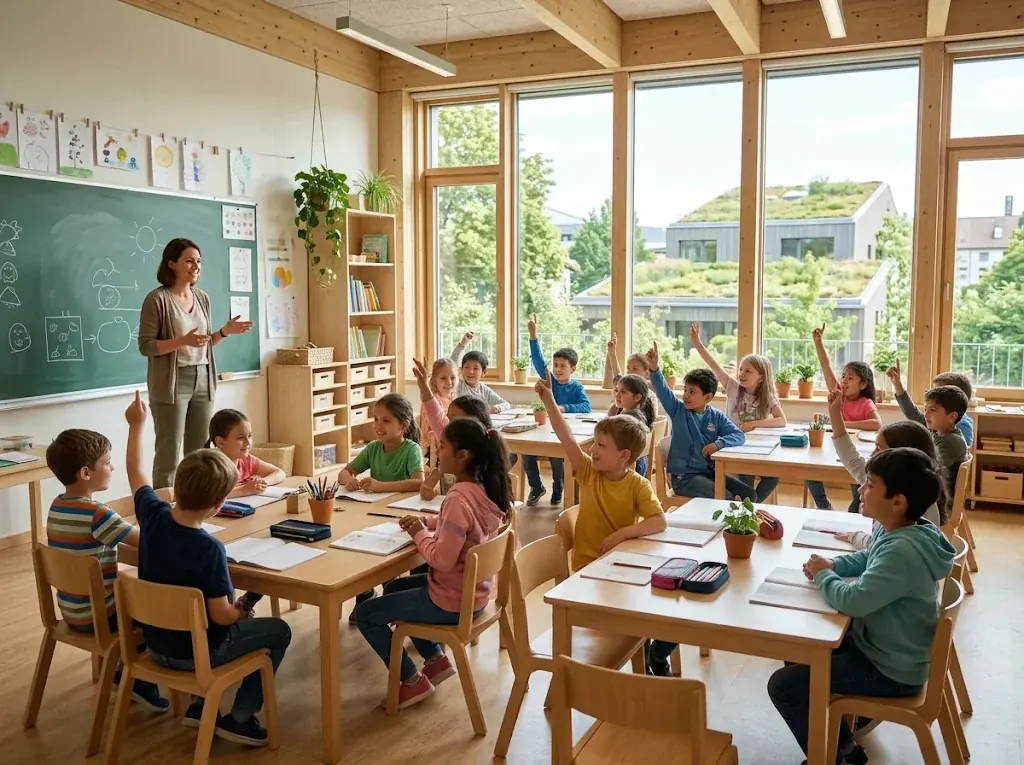
1. What happens when education is missing? No one grows
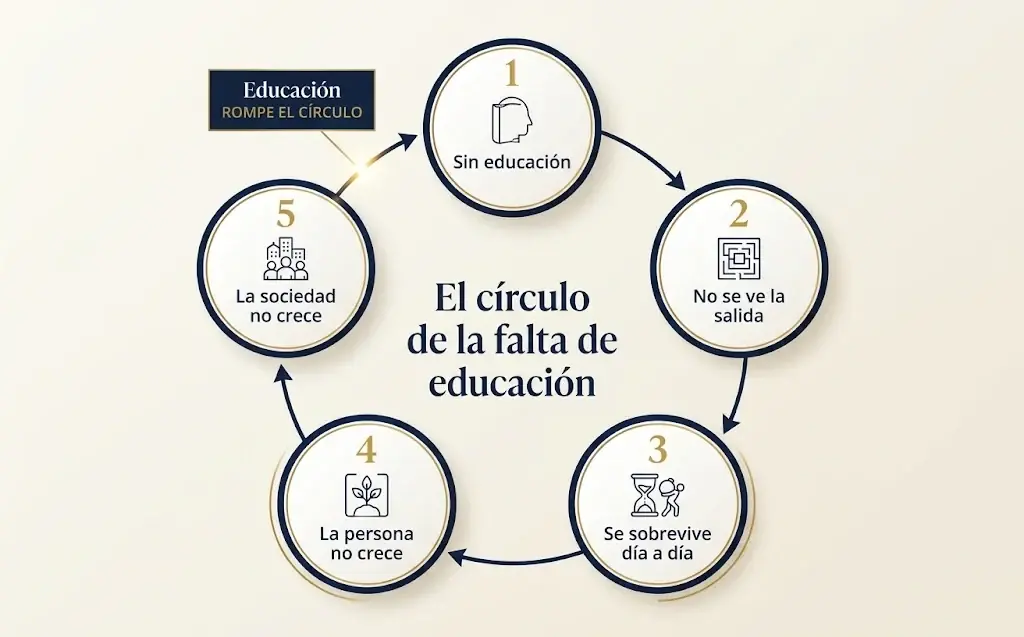
Without education, a person does not grow, and a society made up of people who do not grow does not grow either. Those who have not been able to learn are trapped in day-to-day survival: they learn to ask in order to get by, but not to see the way out of their reality.
It is a circle that repeats from generation to generation:
2. What changes when there is education? The way out is seen
Education teaches something that survival cannot teach: to look beyond today's reality and to discover that there is a way out. And that way out is travelled on two levels that go together:
Personal growth
The person gains knowledge, tools and confidence to decide about their own life.
Social growth
People who grow form a community that sustains itself and a society that advances.
3. How does it take shape in a community? With these components
Each project defines its components based on the community's diagnosis. As an example, the education pillar may include:
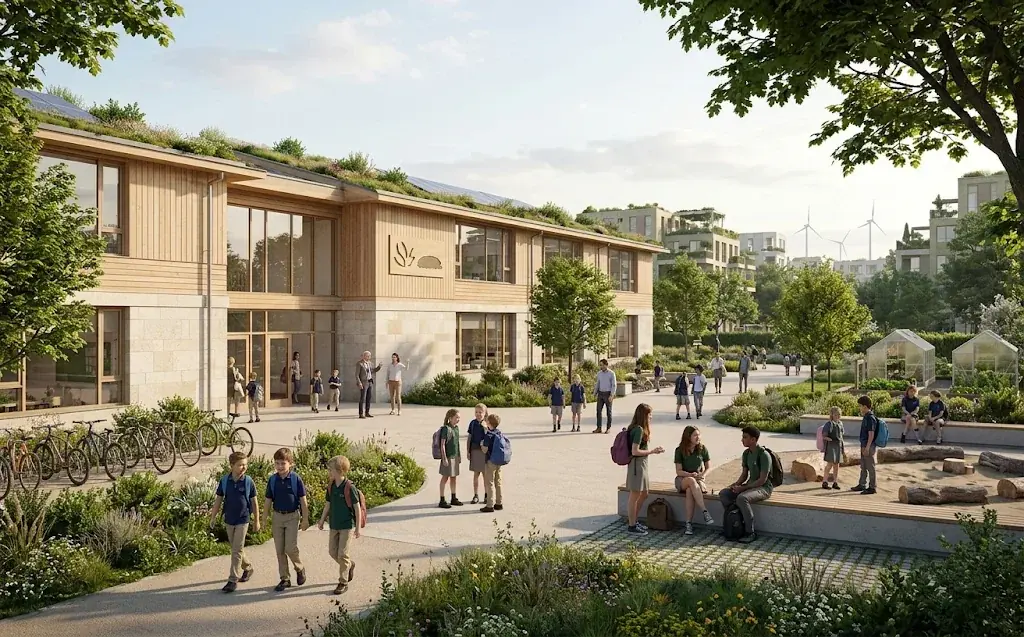
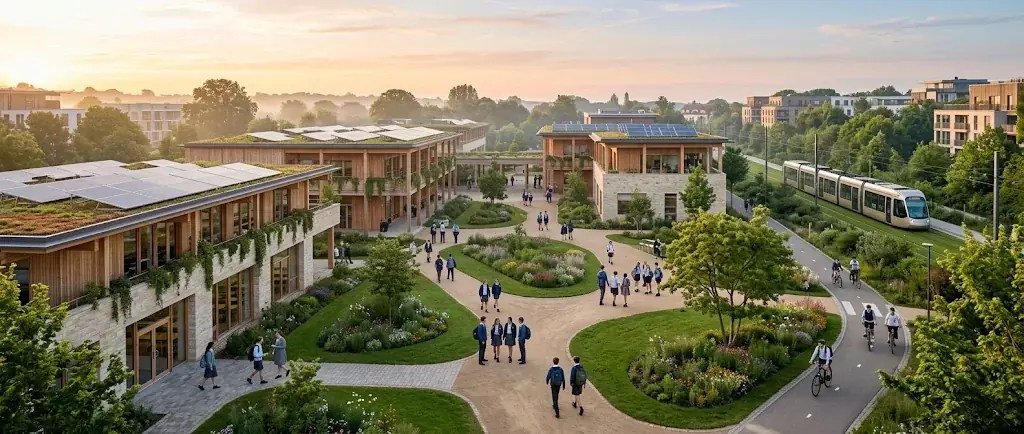
Primary and secondary school
The foundation of the education of children and young people.
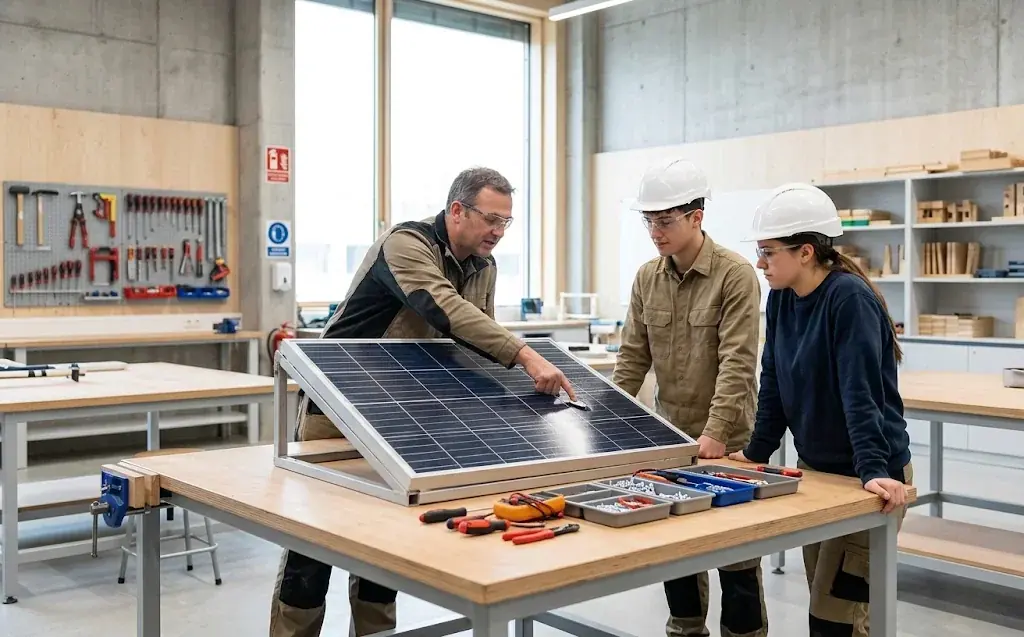
Trades center
To learn a trade and generate own income.
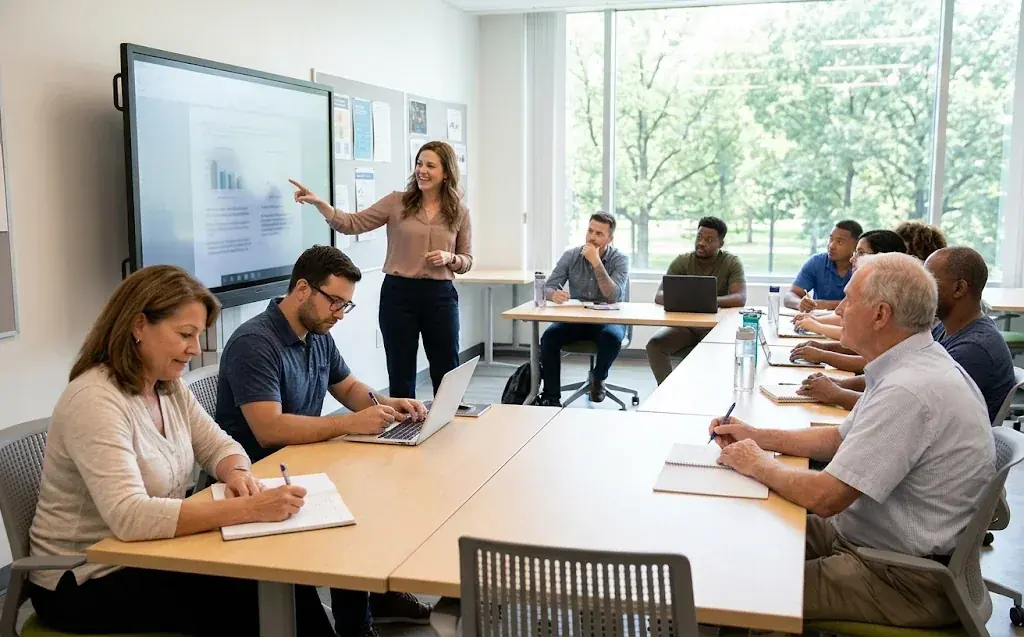
Adult education
Because growing has no age.
4. How is quality education sustained? It must be affordable
For Mandatum, quality education has a cost, and that is why it must be payable. When education is completely free, sustaining its quality becomes a problem.
The reason is simple: an educational institution needs a constant flow of resources to maintain itself, adapt and improve. That means:
Renovated buildings
Renovating them so they remain suitable spaces for learning.
Technology and systems
Updating them so that teaching adapts to each era.
The best teachers
Hiring the best possible teachers.
That is why education must have permanent and sufficient resources, which allow it to operate independently and reach the highest possible level.
And who pays?
The person themselves, and for that they need two things:
Work
With their own income they can pay for quality education, freely choose where to study and keep improving.
Housing
A stable home allows them to devote themselves to studying.
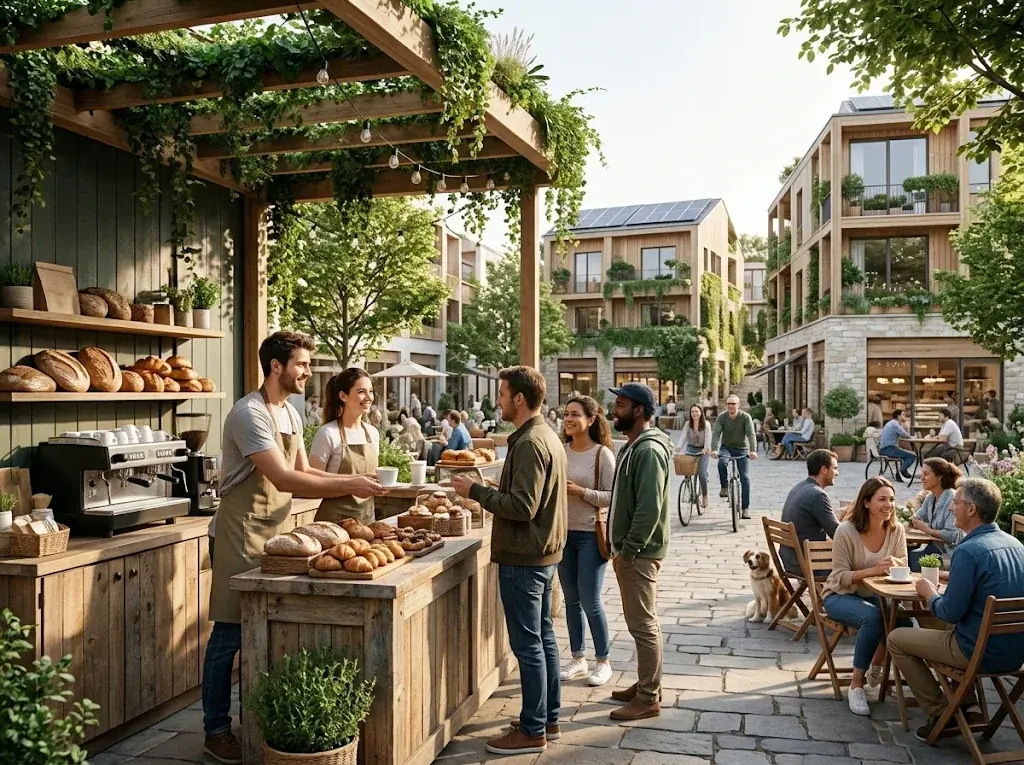
Education brings work
A good school and a trades center are the engine of the project: besides training, they bring employment to the area and prepare those who will run small businesses.
That is why the three pillars reinforce one another: home gives stability and the place to devote oneself to studying, education prepares for work, and work makes it possible to pay for quality education and sustain housing.
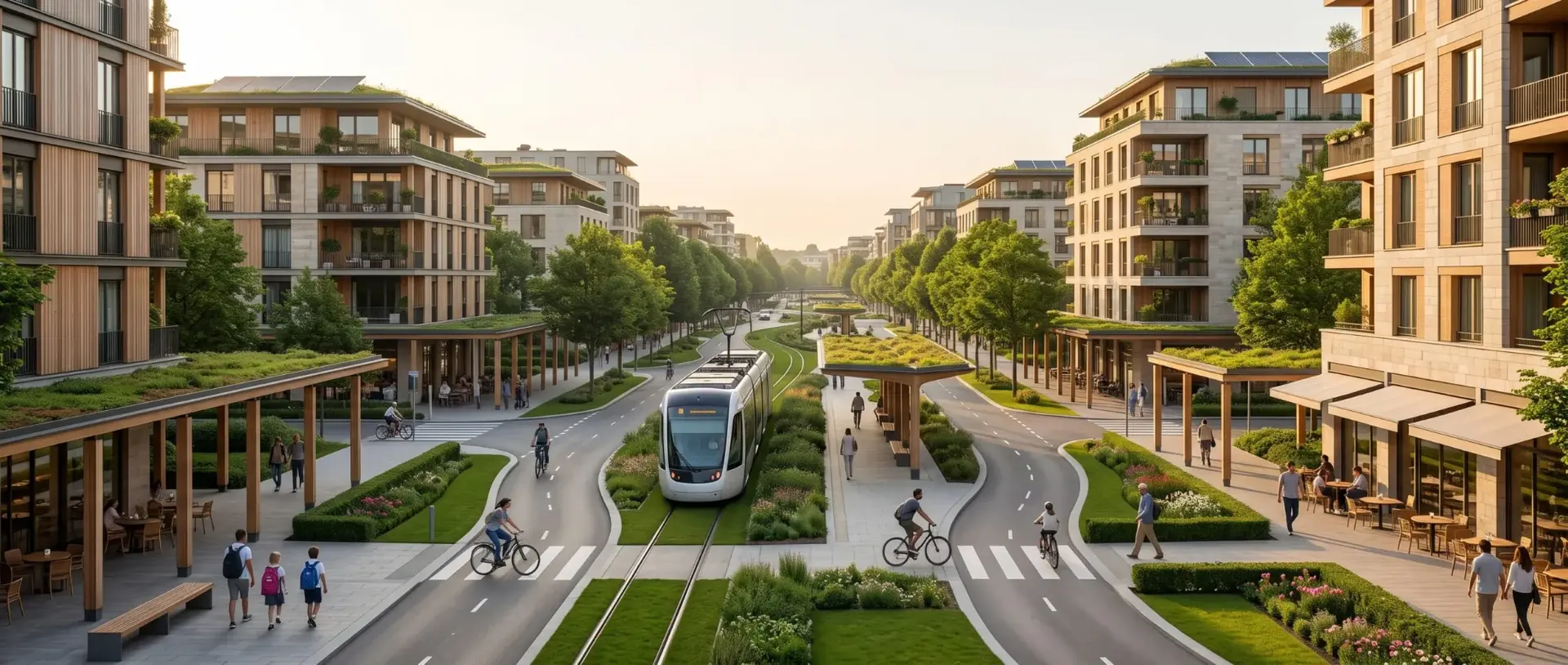
ERUDI, the educational-technology arm of Mandatum
ERUDI drives the future of education with comprehensive solutions for governments and NGOs, addressing the whole training process and not partial solutions. Its training areas are the Order's academies: Finance and Treasury, Diplomatic, Humanitarian Project Management and Communications.