
Identifying the need
STEP 1 OF THE MANDATUM METHOD
Why do we start with the need?
A Mandatum project does not start from an idea for a building, but from a need that the authorities or the community itself have already recognized. Mandatum does not impose projects: it first studies that need and only then proposes a response.
That is why the Method begins here, before any preliminary project.

1. Who declares the need? The authorities and the community
A need is “declared” when someone with the legitimacy to do so recognizes it explicitly. This can be done by elected representatives, local, regional or national governments, an official declaration (for example, a public calamity), a public plan or the affected community itself.
2. How is it learned first-hand? By listening
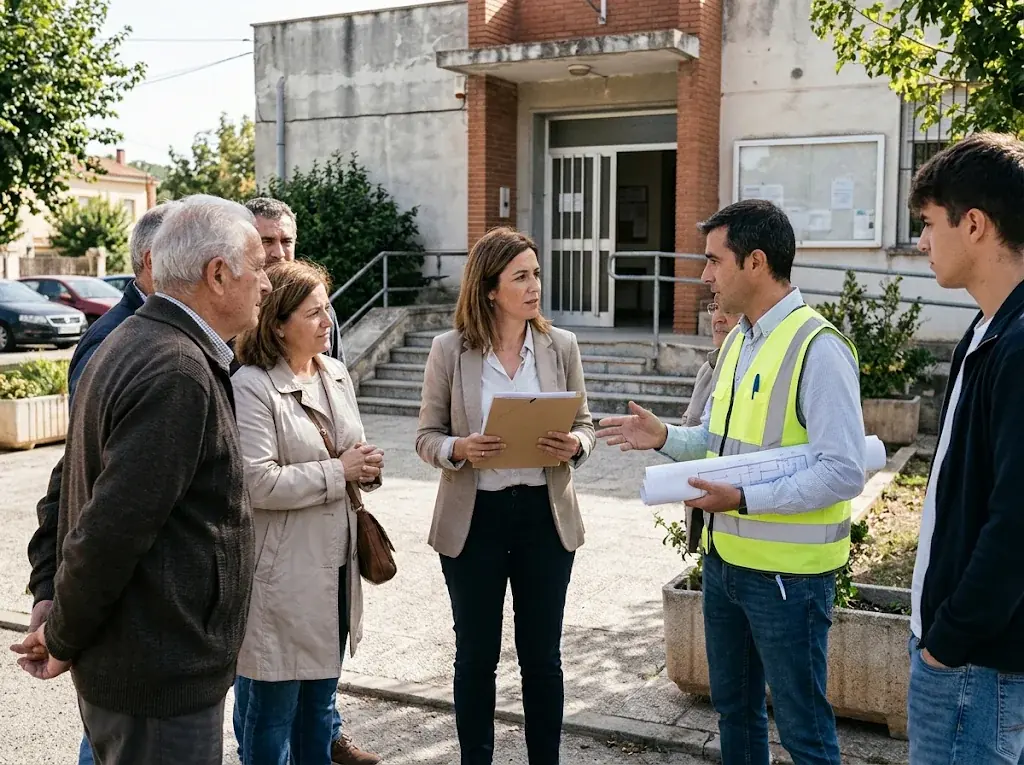
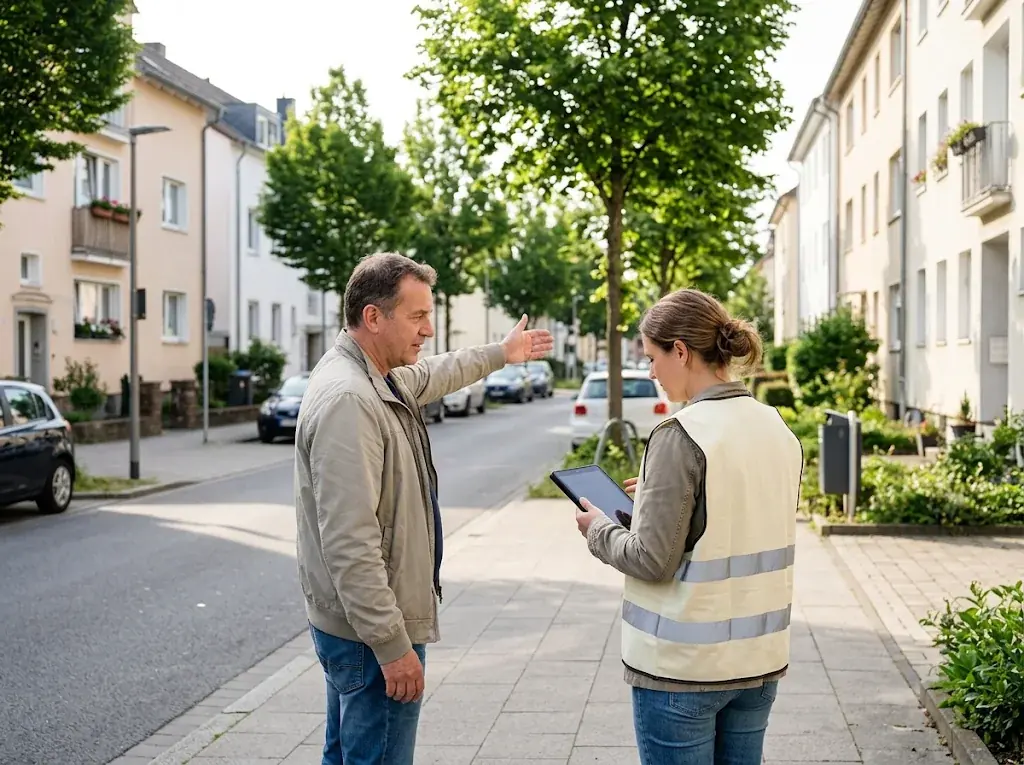
Mandatum meets with representatives and authorities to learn their needs and priorities first-hand, and visits the territory to understand it.
What is discussed in those meetings provides context, but does not define the project. Every proposal must arise from a comprehensive assessment of the real needs of each territory, its viability and the impact it may have on communities.
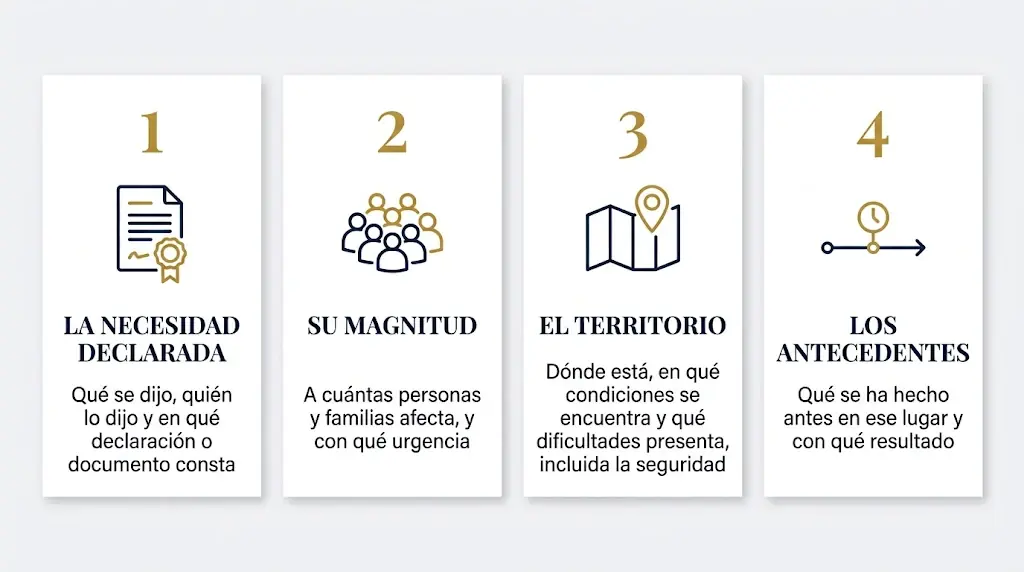
3. What is verified? Four things
Before proposing anything, information is gathered and checked on four points.
4. How is information handled? Piece by piece
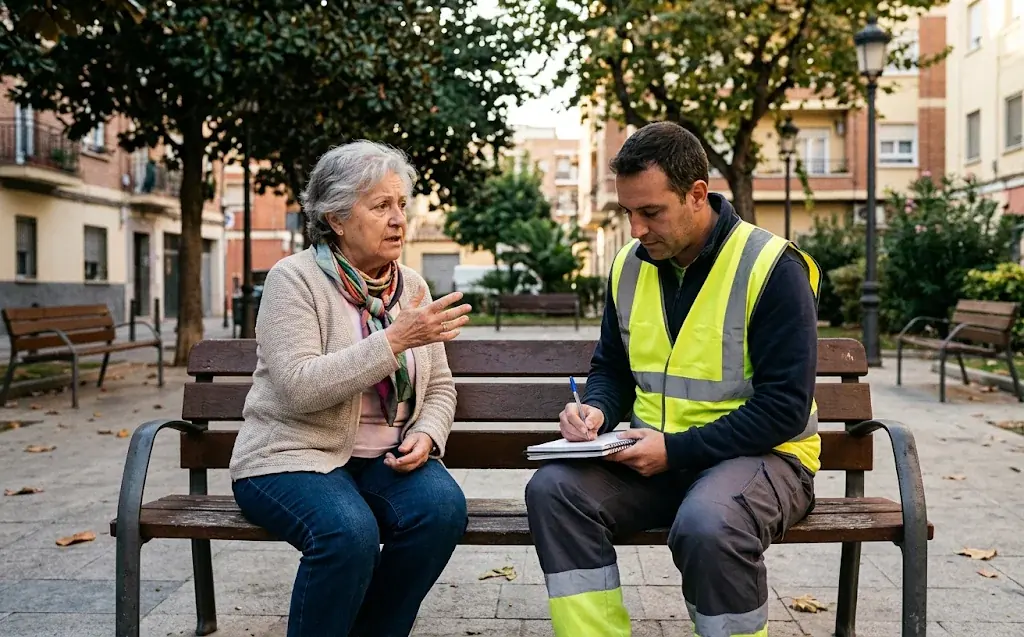
Each piece of data is recorded with its status, so as not to confuse what is known with what is merely said.

Confirmed
Backed by an official document or a verifiable source.
Declared
Said by a person or by the press, and still pending confirmation.

Missing
A piece of data that is needed and not yet available.
5. What is not done? Nothing is promised or conditioned
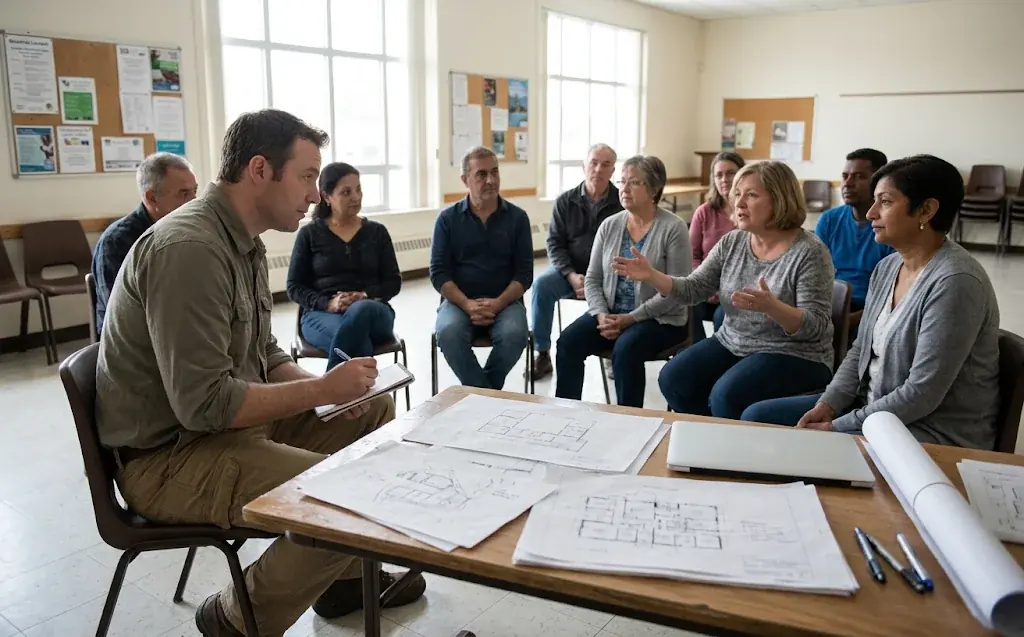
Nothing is promised
In this step no project is promised and no technical conclusions are anticipated.

Nothing is conditioned
The priorities expressed by the authorities are taken into account, but they do not condition the analysis.
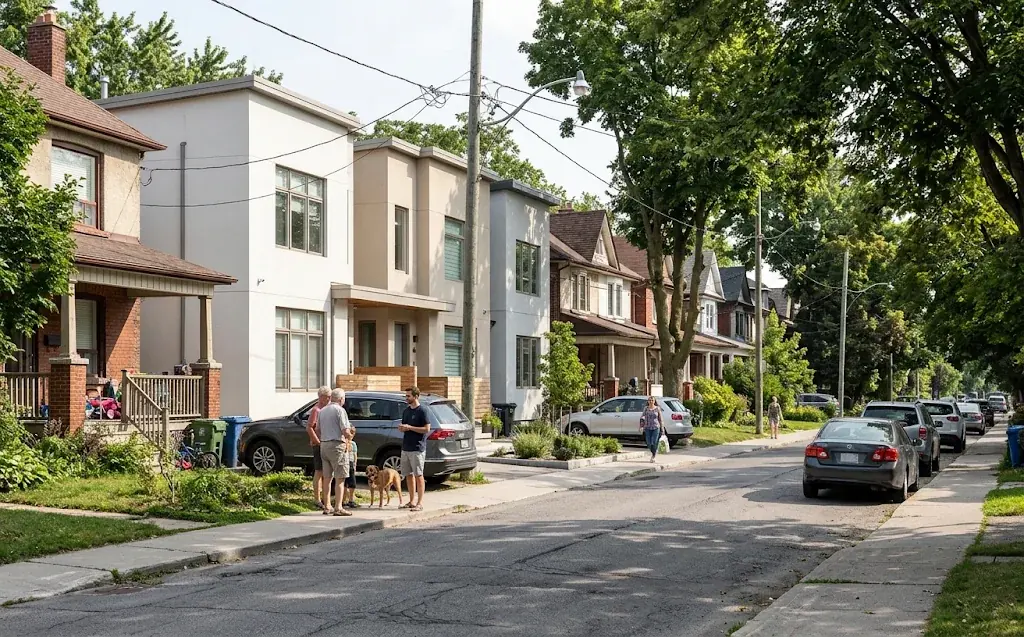
It is not always a new city
Nor does every need call for a new city. Sometimes the best response is a scattered solution, spread across different neighborhoods, and that is also assessed.