
 Barça
 Peñarol
 Inter Miami
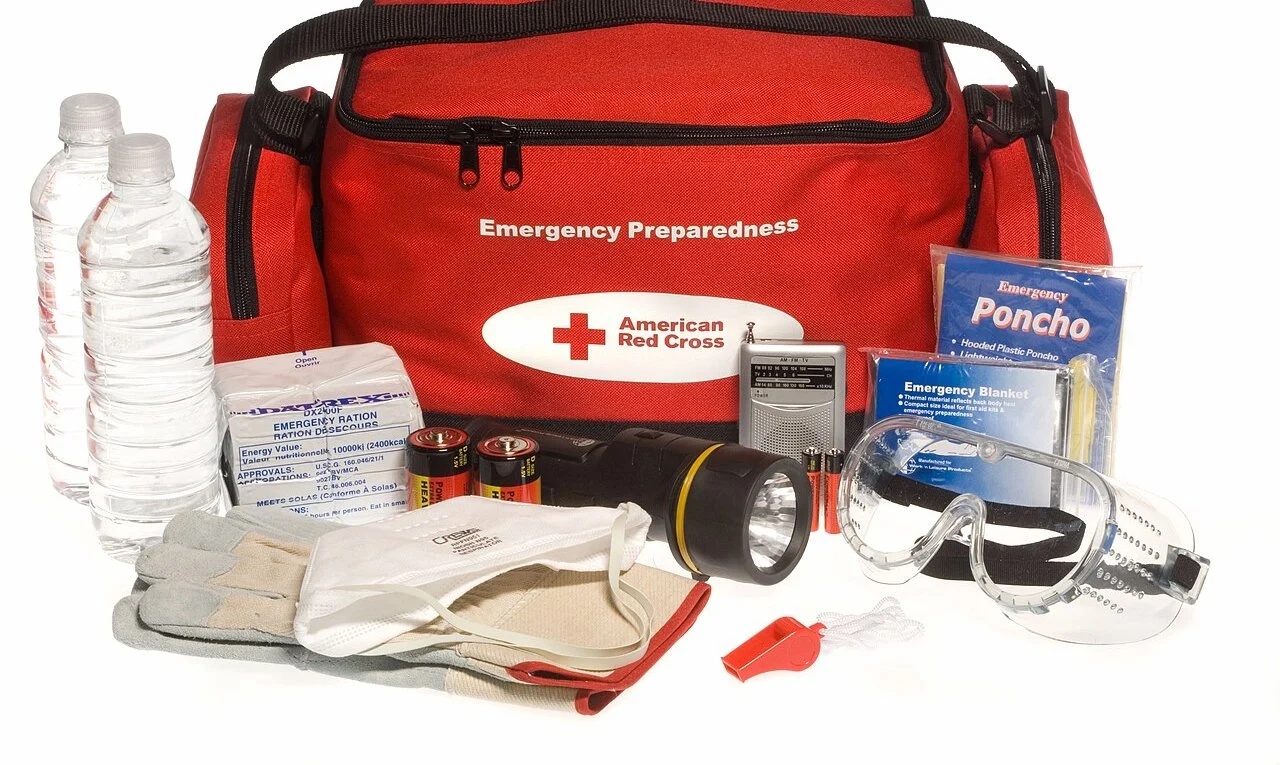
November 5 is World Tsunami Awareness Day, established by the United Nations. It is a good reminder that disasters of every kind – earthquakes, storms, floods, fires – give little warning, and that preparing in advance is far easier than improvising.
What a basic kit includes
The US government’s Ready.gov campaign recommends gathering essentials in an easy-to-carry container. A typical list includes:
- About one gallon of water per person per day, for several days
- Non-perishable food and a manual can opener
- A battery-powered or hand-crank radio and a flashlight, with extra batteries
- A first aid kit and any needed medications
- A whistle to signal for help
- Dust masks, plastic sheeting and duct tape
- Moist towelettes, garbage bags and plastic ties for sanitation
- A wrench or pliers to turn off utilities
- Local maps
- Phone chargers and a backup battery
Keep it ready
Review the kit once a year: replace expired food and water, update medications and check batteries. Consider keeping a kit at home, at work and in the car, and agree on a meeting point with your family.
A few hours of preparation can give you and your family the supplies you need while you wait for help.
Source: Ready.gov. Photo: FEMA emergency preparedness kit, Wikimedia Commons (public domain).