 Barça
 Peñarol
 Inter Miami
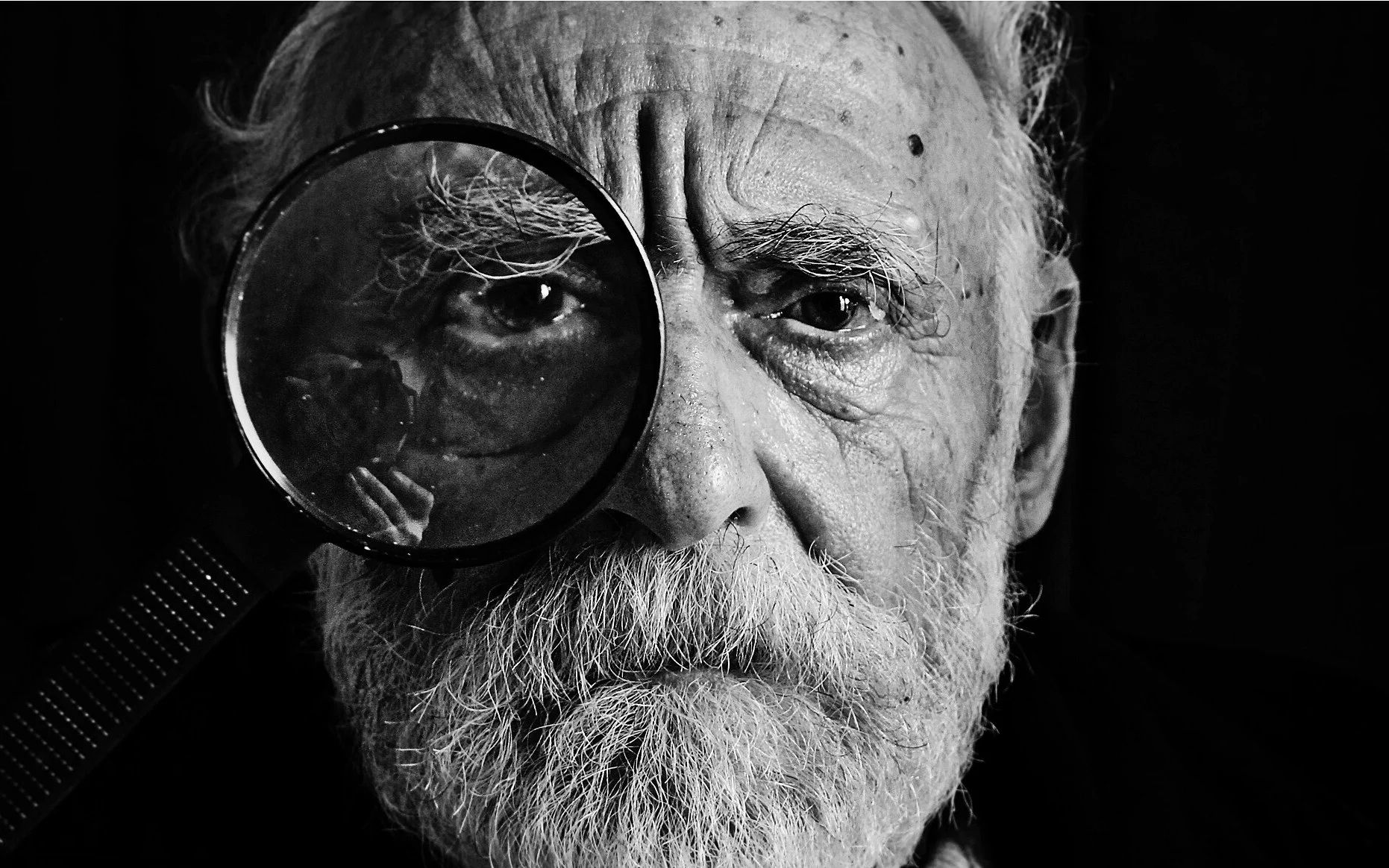
Realistic images made by artificial intelligence now circulate every day, and many arrive without any label. Before you share a striking photo, a few checks can help. None of them is perfect, so the best habit is to use several together.
Six checks that help
- Look for a watermark. Some AI tools embed an invisible mark. Google’s SynthID, for example, can be detected by uploading the image to Gemini and asking whether it was made by AI.
- Check Content Credentials. A provenance checker based on the C2PA standard can show whether an image carries a record of how it was made, and sometimes which model produced it.
- Run a reverse image search. A tool such as TinEye can find earlier copies. If a dramatic image has no history anywhere else, that makes AI generation more likely.
- Check the context. Trust images that come from reputable publications and name their sources. Be careful with reposted images on social media, especially those designed to provoke a reaction.
- Compare viewpoints. For news events, real photographs usually exist from several angles and times. If you find only one perfect picture, ask why.
- Look at the details. Faces or hands that look squeezed, stairs that lead nowhere, blurry background details, and text that looks like generic AI-style lettering are all warning signs.
Why no check is enough
Watermarks can be removed, for example by taking a screenshot. Passing a check does not prove an image is real, and a reverse search with no results suggests AI but does not confirm it. Visual mistakes are also less obvious than they used to be. In the end, every result is a judgment call, not a verdict.
A practical rule
If an image is surprising, emotional and has no clear source, wait before sharing it. A photo that is real will almost always be backed by a name, a place, a date and, usually, other people who were there.
Source: Popular Science, “How to really spot AI-generated images, with Google’s help.” Image: Unsplash, via Wikimedia Commons (CC0).