
 Barça
 Peñarol
 Inter Miami
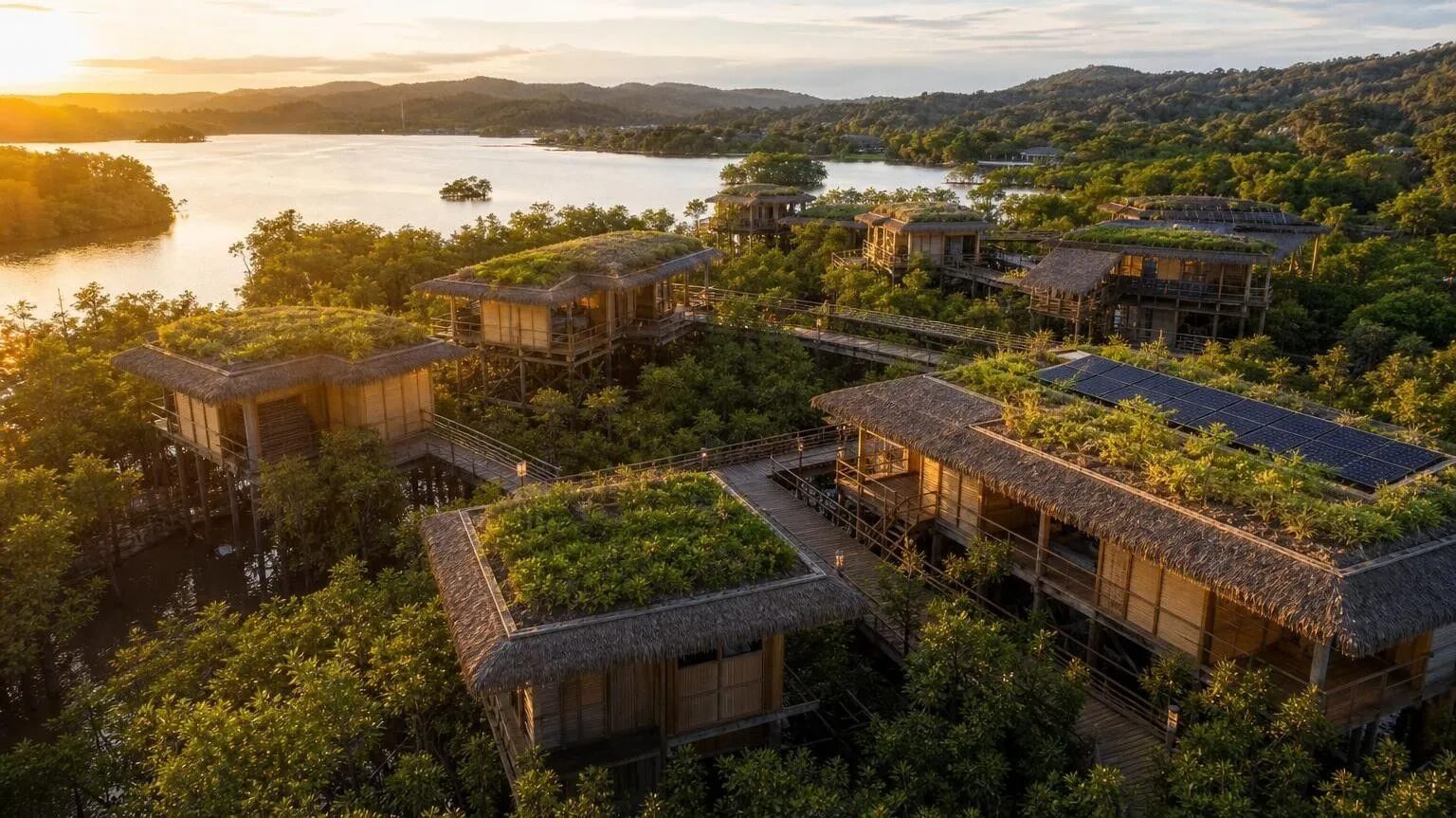
Mandatum has published the website of its preliminary project for Bocas del Toro, on Panama’s Caribbean coast: a phased ecological and economic complex that sustains itself, is built only on unprotected land, and leaves behind jobs, training and recovered mangrove.
Version 0.2 of the proposal brings together, in a single project, five ecological hotels, eco-villas, affordable homes, a commercial district for small traders, a port, a university, business incubators and a fund for local businesses, with the clean infrastructure that supports them and the recovery of the mangrove.
One large project, made of small ones
Hotels of about 150 rooms each. The 750 new rooms are 46% more than the 1,644 rooms the district has today.
A priority destination that lacks services
Bocas del Toro is a priority destination in Panama’s Master Plan for Sustainable Tourism Development 2020–2025 and appears in its 2025–2030 update. The plan calls for water and sewerage on Bastimentos, wastewater treatment on Isla Carenero, water intakes and a treatment plant on Isla Colón, solid-waste management and alternative energy for rural communities.
Today the district receives about 100,000 visitors a year and close to US$50 million in tourism income. The proposal’s model is the opposite of mass tourism: few visitors per hectare, high spending, and as much income as possible staying in the community.
Occupancy: CoStar sample reported by PROMTUR.
Each piece, with its cost
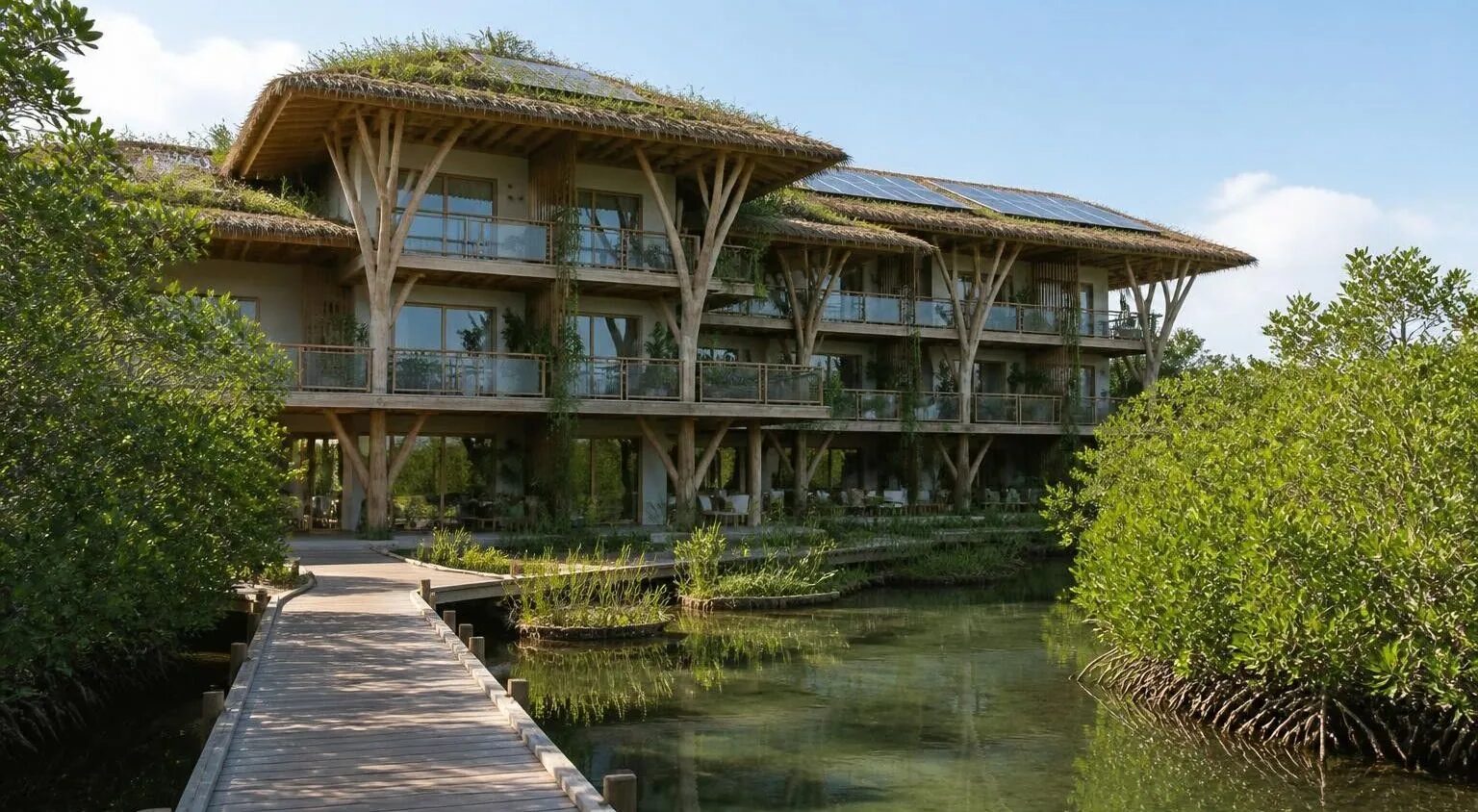
Ecological hotels
5 hotels of about 150 rooms, up to three floors, each under a different international brand.
US$ 271.5 M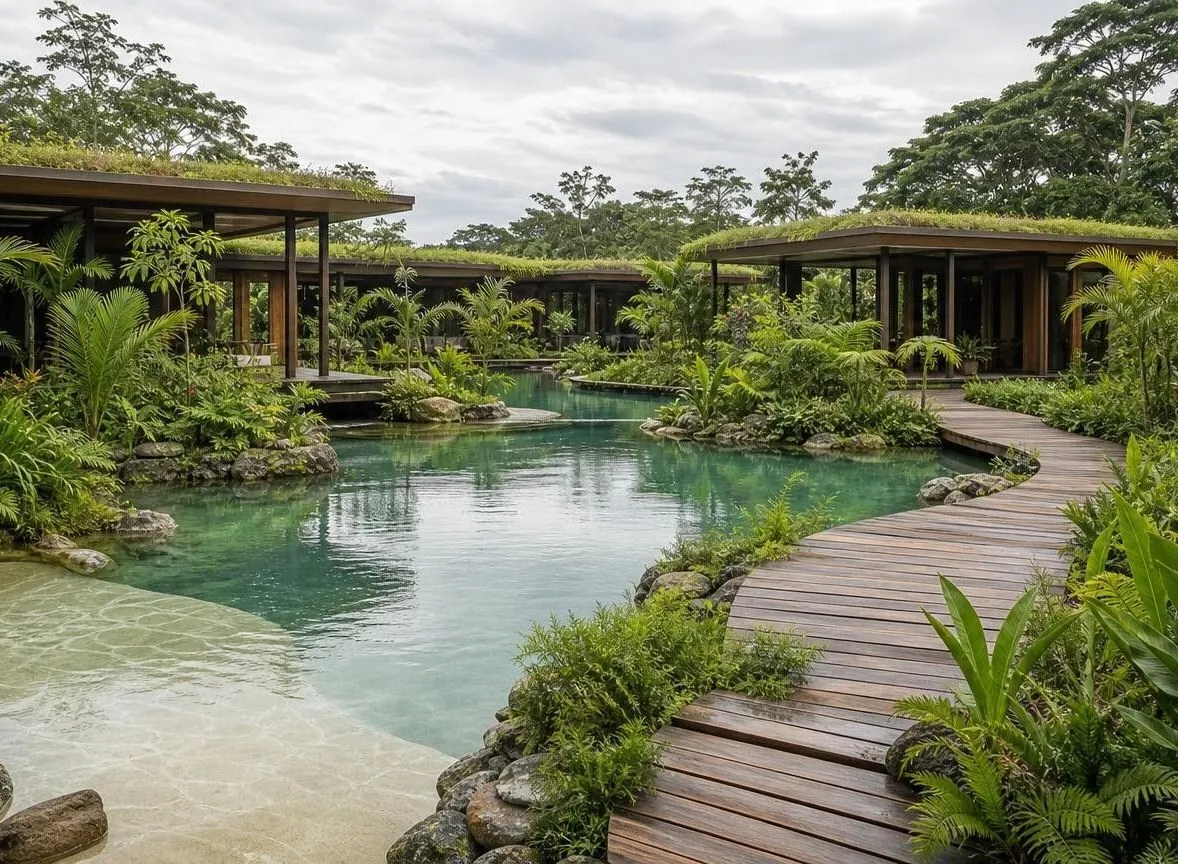
Pools and leisure areas
Pools, recreational and commercial areas of the hotels. An assumption until quotes are available.
US$ 27.1 M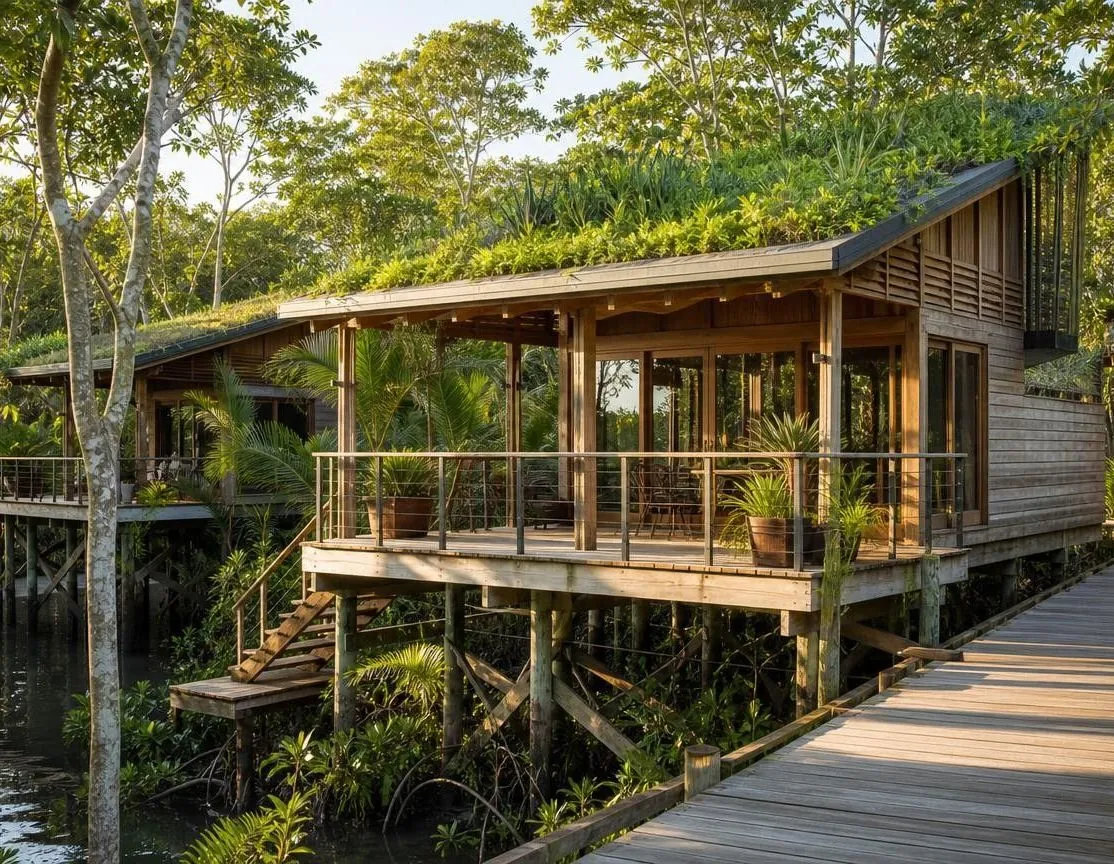
Eco-villas
300 villas within the hotel grounds, without increasing density.
US$ 135.0 M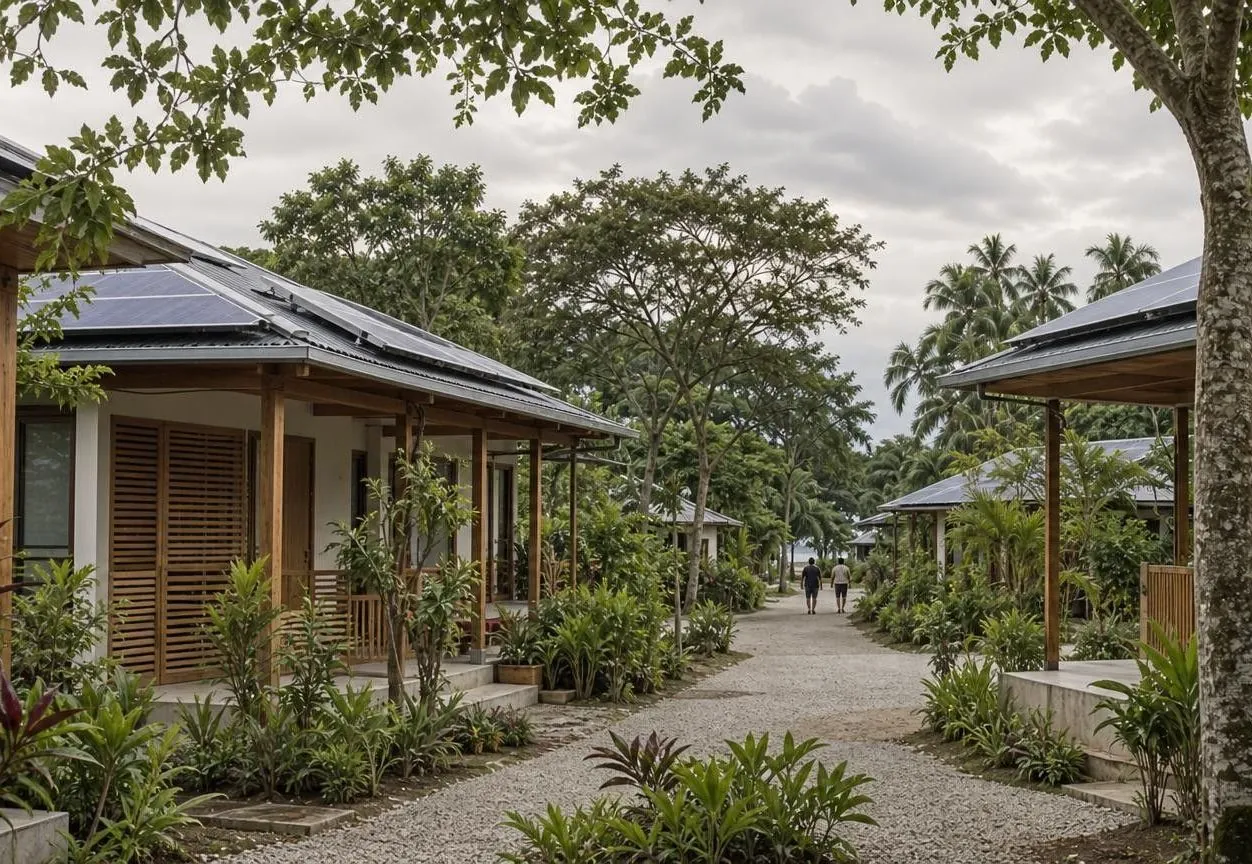
Affordable rental homes
1,500 homes of about 70 m² with solar energy, water and sanitation, at a reference rent of US$350 a month.
US$ 163.8 M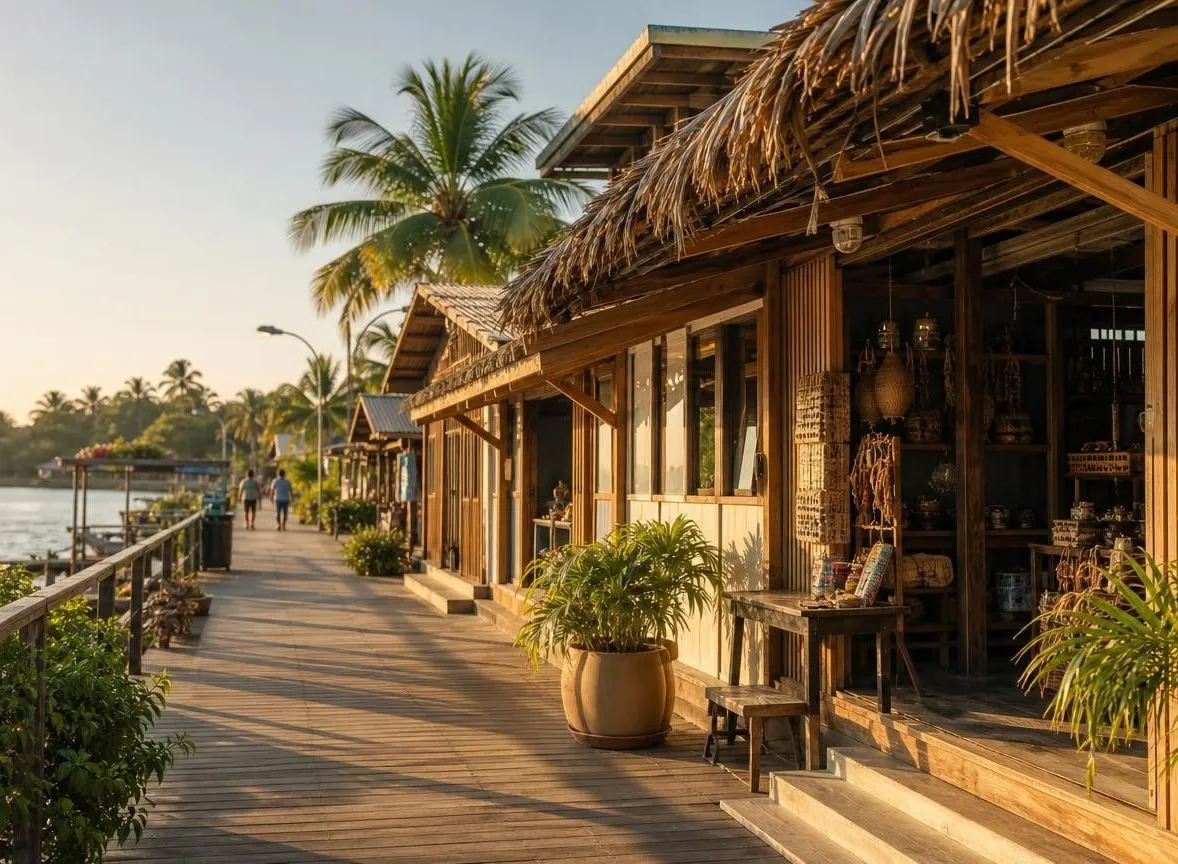
Pueblo Azul
40,000 m² of shops, craft market, food and promenades, rented at social rates to local entrepreneurs.
US$ 80.0 M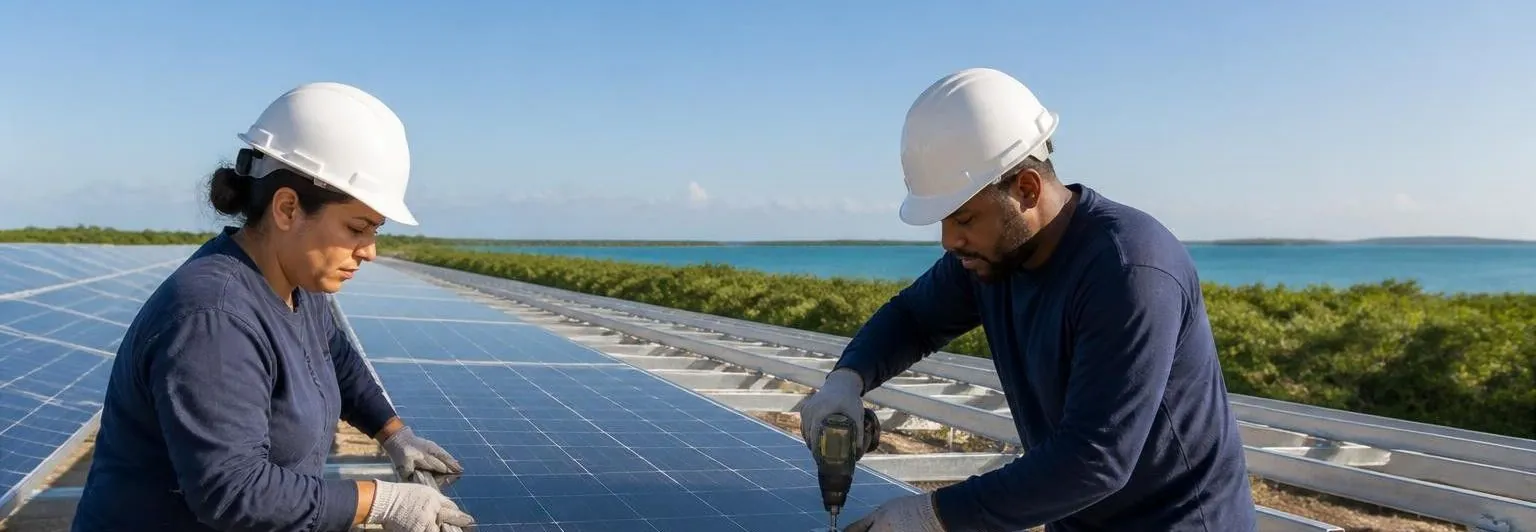
Clean infrastructure
40 MW solar micro-grid with storage, sanitation and drinking water for the project and the community.
US$ 230 MUS$ 2,145 million, item by item
US$ million. Contingency is 19% of the base cost, excluding the fund. A conditional airport module would add US$30 million.
Three phases, four gates each
A gate only opens after the formal closure of the previous one. Choose a phase:
Institutional activation
Technical definition and assets
Execution of the works
Closure and handover
Operation begins: · Builds: ,
Schedule in months, without calendar dates. Until a benefactor assigns the funds, no milestone moves beyond the preliminary project.
The mangrove and blue carbon
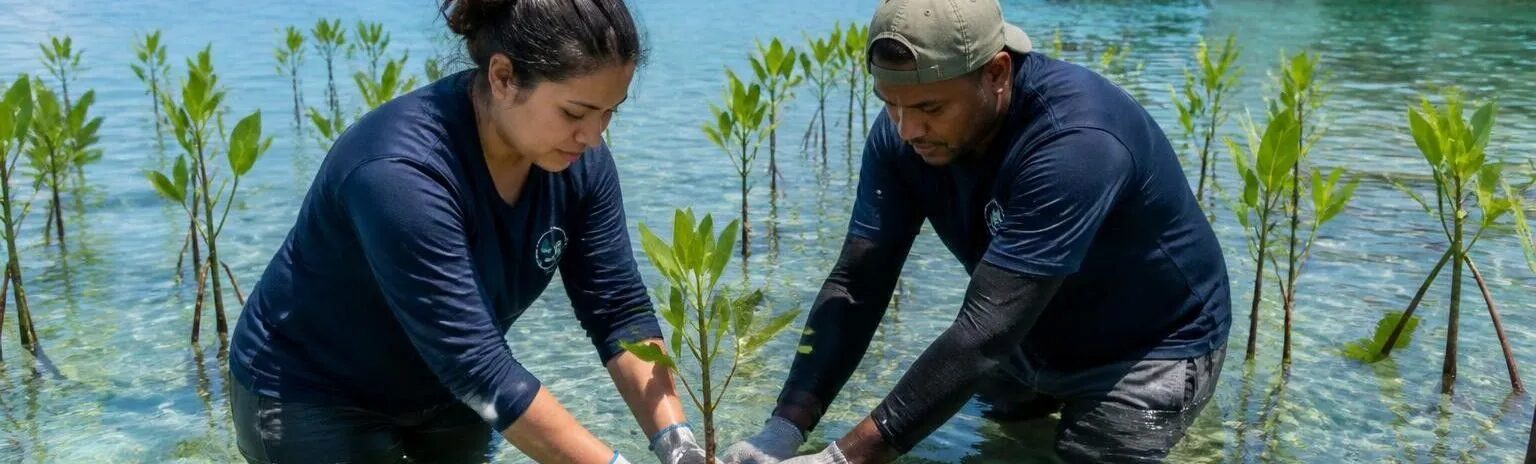
The mangrove programme, US$7.95 million over 36 months, would be designed and developed by Carbono & Bosques (Grupo 4C) with the project’s own funds: local park rangers, monitoring, reporting and verification, and the production of blue carbon credits. After those 36 months, conservation would cost about US$2.65 million a year. How much could carbon credits cover? Choose a scenario:
About 3,000 hectares; 8 t CO₂e per hectare a year; US$15 per tonne; 70% for the project.
Carbon values are assumptions until the technical proposal is ready.
Training and backing local businesses
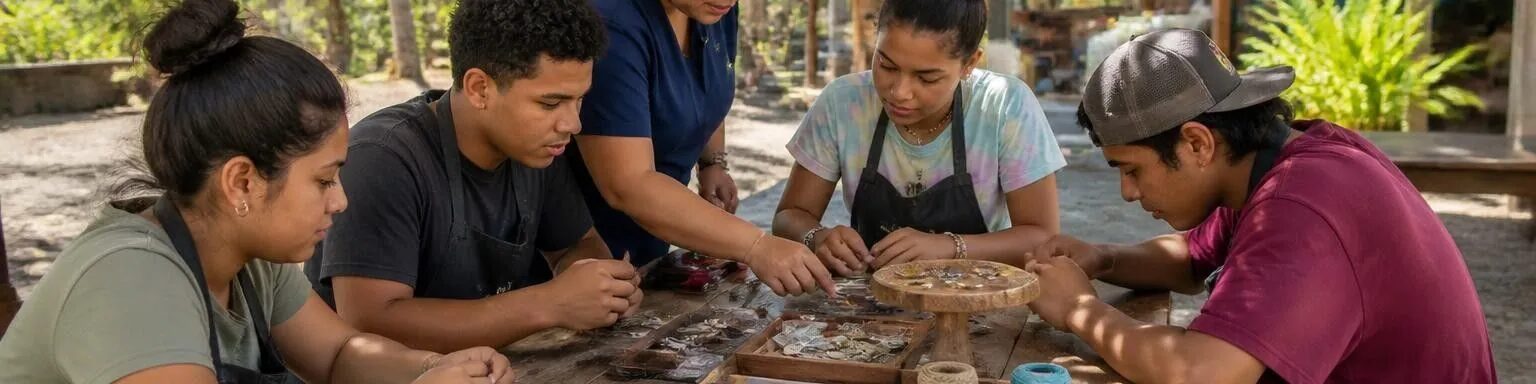
University
School of Hospitality, Trades and Business, plus a mangrove research centre (US$10 M).
US$ 30 M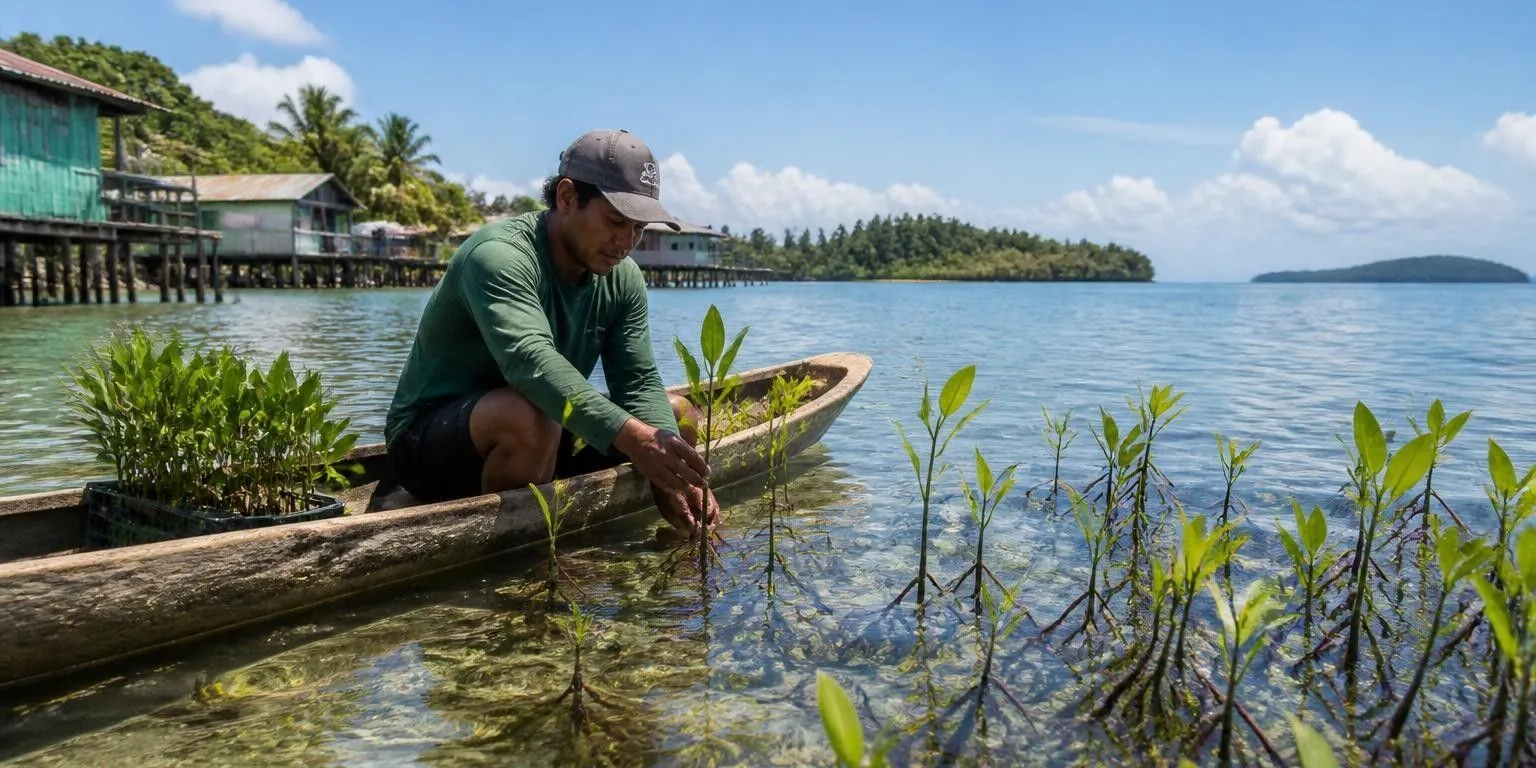
Incubators and fund
Three incubation centres and a revolving microcredit fund for about 250 micro-businesses.
US$ 15 M + 100 M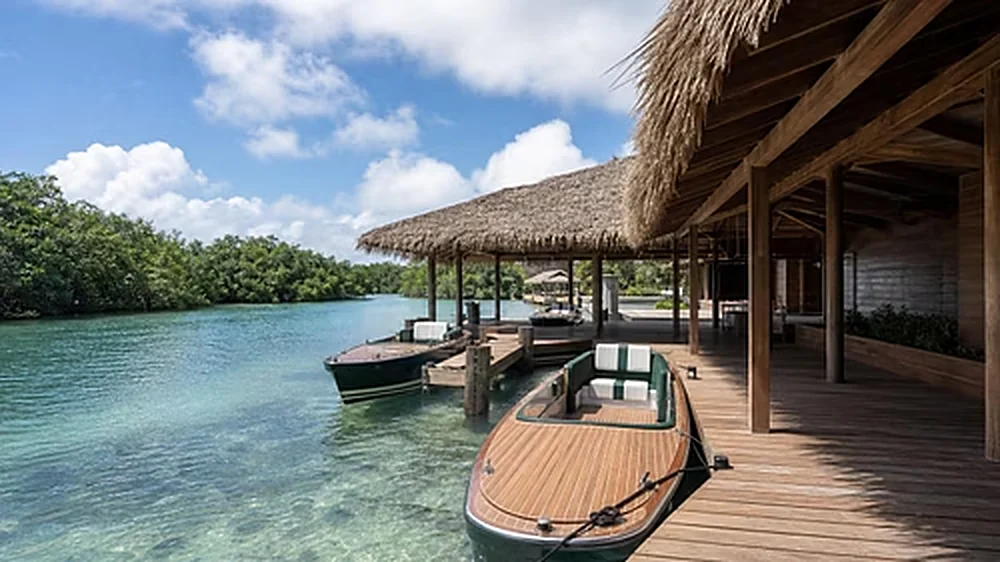
Port and mobility
Marina, docks, water terminal and 40 electric boats, with local operators.
US$ 65 MLodging is run by Mandatum with hotel chains. Everything else, restaurants, shops, spa, tours and transfers, is provided by local entrepreneurs trained in the incubators.
Built with clear limits
Only on unprotected land
75.63% of the district is protected. The project uses only the remaining 24%, on land that belongs to no community, bought with the benefactor’s funds.
Only with consent
Bastimentos, Punta Laurel and Tierra Oscura are consulted from the first gate, with free, prior and informed consent before any works.
No public debt
No debt, guarantee or fiscal cost for the State. A custodian bank pays each supplier directly; funds never pass through the Order’s accounts.
Risks and conditions, stated openly
The main risks
- The Government does not appoint a counterpart.
- Lack of consensus with the local government or the communities.
- Land on protected ground or subject to collective land claims.
- Insufficient carrying capacity for 95,000 new visitors.
- Lower demand or rates than expected.
- Hotel costs close to US$650,000 per room.
- Blue carbon credits that are not certified.
- Natural hazards, island logistics and regulatory changes.
What must happen for the project to move forward
- The Government appoints a counterpart.
- Consensus among the Government, the local government and the communities.
- Land is acquired on unprotected ground.
- The local entity is defined.
- A benefactor assigns the funds.
- The Government signs agreements with the Order and its benefactors.
- The Government approves the airport module.
- A carrying-capacity study endorses Phase 2.
- Carbono & Bosques delivers its technical proposal.
How it would sustain itself
In the base scenario the project reaches its first positive result in year 4; in the pessimistic scenario, in year 8. A US$120 million sustainability fund is released only against a certified operating deficit. The local entity of Mandatum in Panama owns and permanently manages the complex. The casino of earlier versions has been removed.
Seven Sustainable Development Goals
Let’s talk about Bocas del Toro
To review the preliminary project, join or ask a question, write to [email protected] or visit bocas.emandatum.com.
Images are concept illustrations of how the project could look, not the final design or actual works. This note summarises the project’s Descriptive Report for information purposes; the technical documents of the MDT-Anteproyecto PaBoc prevail in case of any difference.
Related reading
- Mandatum Studies an Ecological Tourism Development in Bocas del Toro
- Bocas del Toro: A Concept for Sustainable Development, Only With Consensus
This project also has a detailed technical document (investment costs, break-even point, maintenance, financing and ownership) available to members of the Order, who may request it from the Chancellery of the Order in their country.