 Barça
 Peñarol
 Inter Miami
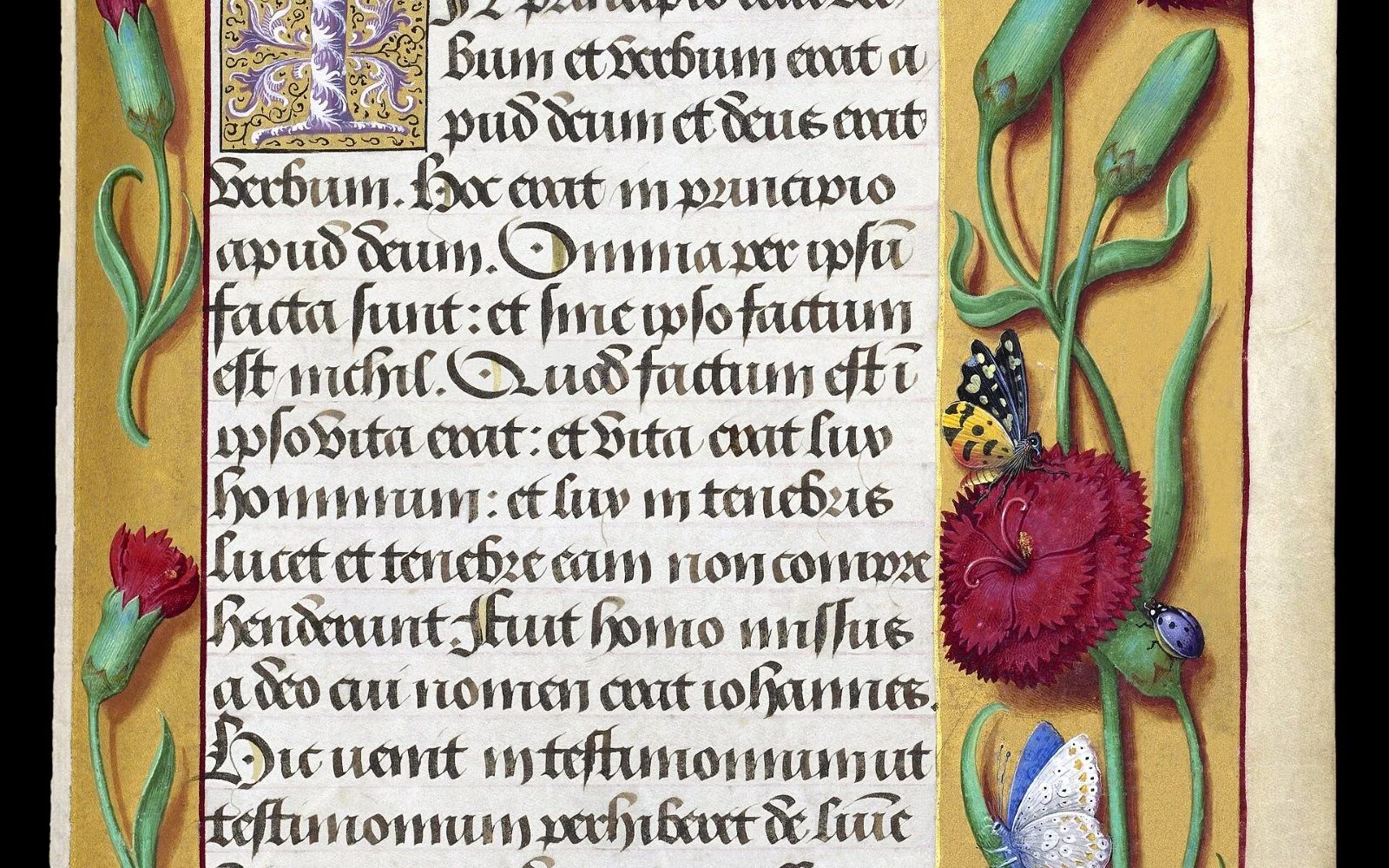
Latin stopped being anyone’s native language many centuries ago, yet we use it every day, often without noticing. The words and phrases below survived in law, education, business and everyday speech.
Phrases and their original meaning
- Carpe diem – literally “pluck the day,” meaning “seize the day.” The phrase comes from the Roman poet Horace.
- Pro bono – short for pro bono publico, “for the public good.” Today it means work done without payment, often by professionals for charitable causes.
- Alma mater – originally “nourishing mother.” It now names the school or university a person attended.
- Status quo – the existing state of affairs.
- Bona fide – “in good faith,” now used to mean genuine or authentic.
- Per capita – literally “by the head,” meaning per person.
- E pluribus unum – “out of many, one,” a motto found on United States coins.
- Ad hoc – “for this,” describing something made for a particular purpose.
Why it matters
Knowing the origin of these expressions makes them easier to remember and to use correctly. It also shows how languages keep a record of the societies that shaped them: law, medicine, science and the Church all kept Latin alive long after Rome fell, and much of today’s vocabulary in English, Spanish, French and Italian comes from it.
The Mandatum Herald’s own motto, Vox Populi, Vox Dei, is a Latin phrase too; you can read the story behind it in our earlier article.
Sources: LanguageTool, “Latin Phrases Used in English.” Image: Grandes Heures of Anne of Brittany, Wikimedia Commons (public domain).