 Barça
 Peñarol
 Inter Miami
On the first two days of November, Latin America remembers its dead. The dates coincide with the Catholic feasts of All Saints and All Souls, but many of the customs come from far older traditions. Each country has its own, and here are a few.
Mexico: two days, two remembrances
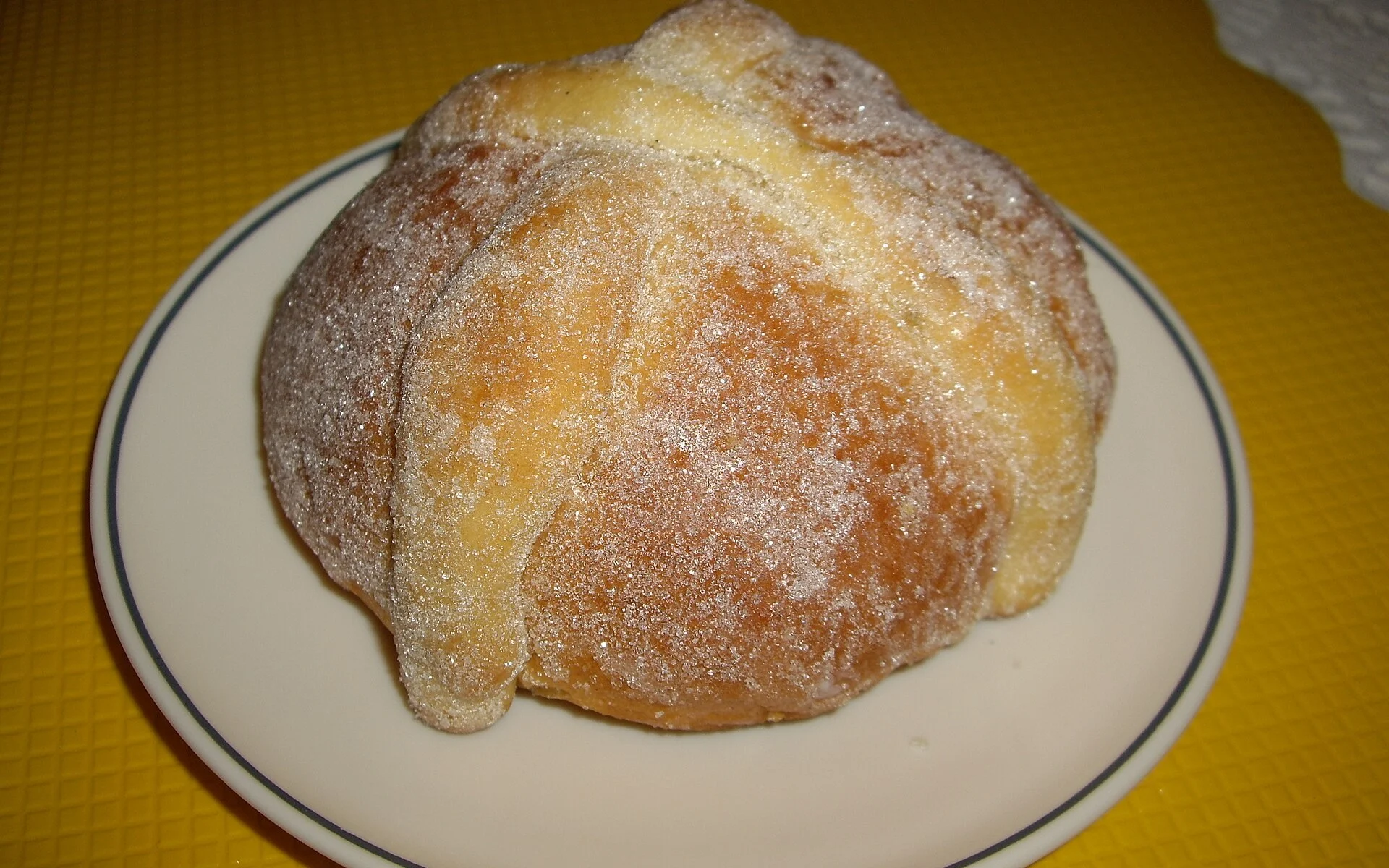
In Mexico the Day of the Dead has two parts. The Day of the Innocents, on November 1, is dedicated to children who have died, and the Day of the Dead proper follows on November 2. Families keep the memory of loved ones alive with offerings, and the sweet pan de muerto is one of the best-known symbols.
Guatemala: a meal at the cemetery and kites to the sky
In Guatemala families share fiambre at the cemetery on November 1 and 2. It is a cold dish of Maya origin that mixes cold cuts, brought by the Spanish, with local vegetables, and it is eaten without reheating. Some families bring musicians, candles and flowers. In Sumpango, giant kites called papalotes are flown over the cemeteries, and locals believe they keep evil spirits away from the souls who visit on November 1.
Ecuador: bread dolls and a purple drink
The best-known customs of Ecuador’s Day of the Deceased are guaguas de pan, sweet breads shaped like people, and colada morada, a purple drink made with corn, fruit and spices. Both go back to pre-Hispanic rites, and the breads became a substitute after colonial authorities banned funeral rituals.
Bolivia: an altar for a journey
In Bolivia the celebration is rooted in the Andean belief that death is a journey and the dead remain part of life. Families build an altar, called apxata, with candles, flowers, sweets and fruit, and bake tantawawa, a bread shaped like a person that represents the deceased. They visit the cemetery to decorate graves and pray. The celebration also coincides with the start of the planting season on the Altiplano.
Argentina: the Day of the Souls
In Jujuy, in northern Argentina, the Day of the Souls is marked by offerings of bread and of the foods that the deceased enjoyed, and by cleaning and decorating the tombs.
What they share
Across the continent the idea is the same: those who have died are not forgotten. They are remembered with food, flowers, light and the company of the family. For Catholics, it is also a time to pray for them.
Sources: México Desconocido, “Así se celebra el Día de Muertos en el resto de América Latina”; Diocese of Raleigh, on All Saints and All Souls. Image: pan de muerto, via Wikimedia Commons (public domain).