
 Barça
 Peñarol
 Inter Miami
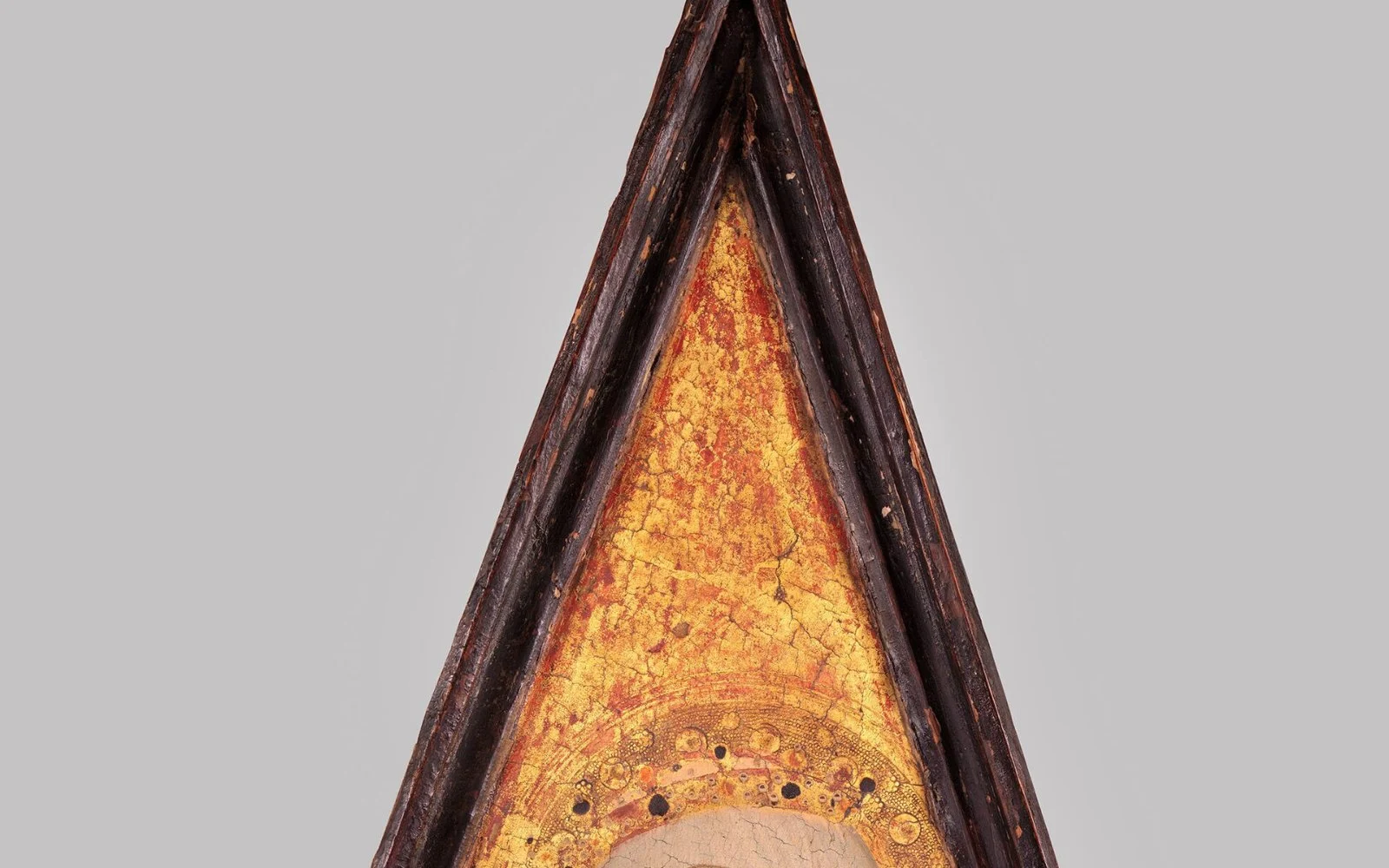
Elizabeth was born in 1207 in the Kingdom of Hungary, the daughter of King Andrew II. At about 14 she married Louis IV, Landgrave of Thuringia, and moved to the Wartburg castle in Germany.
A life of charity
From an early age she was known for caring for the poor, the hungry and the sick, often at her own expense. When Louis died in 1227 while on his way to the Crusade, Elizabeth left the castle, took up a simple life and joined the Third Order of St. Francis.
The hospital at Marburg
She used her inheritance to build a hospital at Marburg and cared for patients herself. She died there on 17 November 1231, aged 24. Pope Gregory IX canonized her in 1235, only four years later.
Why she is remembered
Elizabeth is associated with charity and the care of the poor. According to a well-known tradition, bread she was carrying for the hungry turned into roses when she was challenged. Historians treat the story as legend, but it captures what her contemporaries saw in her: generosity that ignored rank.
A thought for today
Her feast is a good reminder that humanitarian work does not require a title or a large budget, only the decision to look at the person in front of us and act.
Image: Saint Elizabeth of Hungary, Ambrogio Lorenzetti (CC0), via Wikimedia Commons.
Sources: Encyclopaedia Britannica: St. Elizabeth of Hungary · Wikipedia: Elizabeth of Hungary