
 Barça
 Peñarol
 Inter Miami
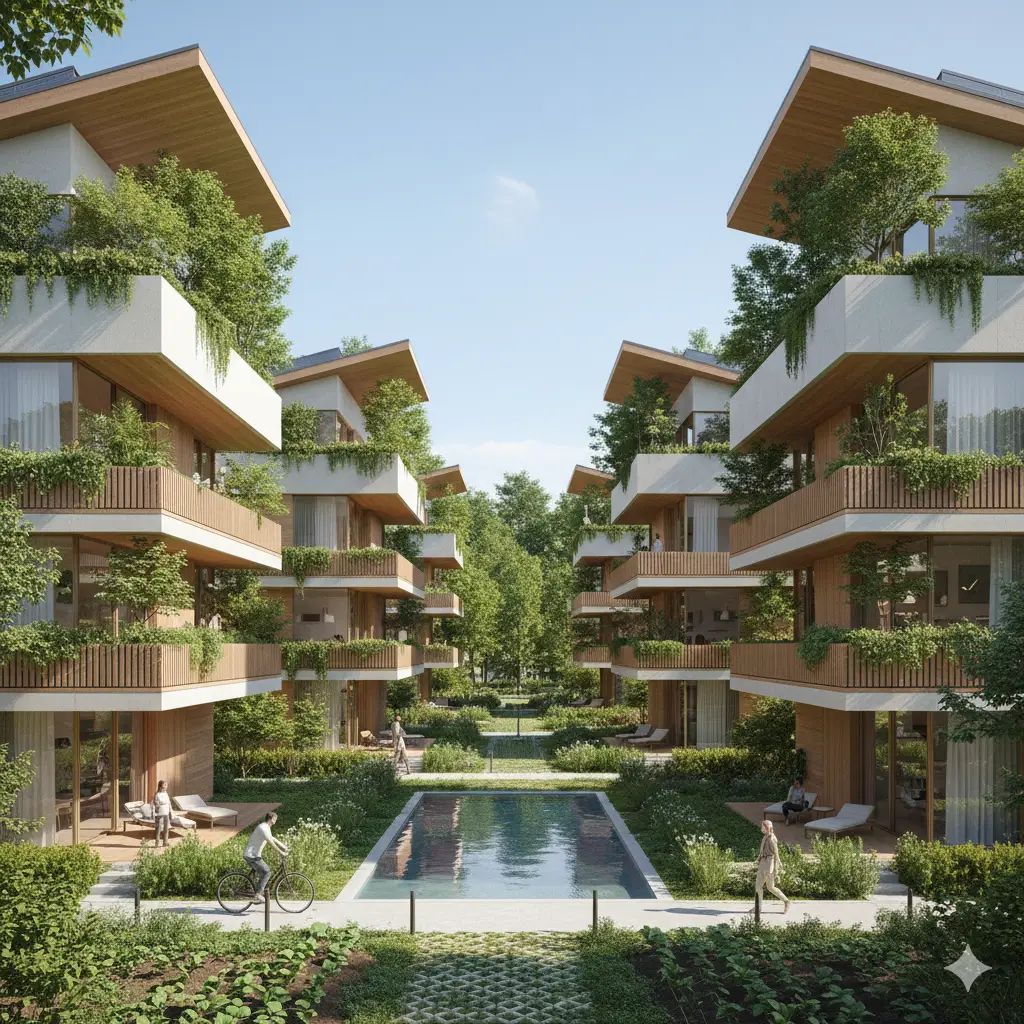
Imagine entering a modern building at high summer noon and feeling a cool, constant, natural breeze. It is not the dry, recycled air of an electric motor, but a sophisticated passive cooling system designed from precise solar calculations: the essence of bioclimatic architecture.
This discipline goes far beyond building walls. It is an art that manages the environment’s natural resources to maximize human comfort, creating living spaces that adapt to the local climate in an organic, silent and highly efficient way.
The breath of innovation: a new sensory experience
The construction of an iconic structure no longer begins with the first brick, but with an immense database of meteorological information. Climate simulation software lets architects process decades of weather patterns to predict with great accuracy how every gust of wind will behave around a new structure. These models underpin “intelligent facades,” technical skins that trap the fresh morning air while repelling radiant heat during peak sun.
Bioclimatic architecture is not a step back toward primitive techniques; it is a technological evolution of ancient wisdom. Smart components and sustainable materials with high thermal memory absorb the coolness of the night and release it slowly through the heat of the day. This thermal inertia keeps indoor temperature stable without constant intervention: a shift from mechanical reliance to material intelligence.
Automated purity: the intelligence of airflow
These materials are frequently combined with automated cross-ventilation that works like a building’s respiratory system. Sensors monitor the humidity, CO2 levels and atmospheric pressure of the outside air and trigger actuators that open or close strategic apertures, letting the building “inhale” when conditions are optimal. The indoor air stays fresh and oxygenated, reducing “sick building syndrome” and improving the respiratory health of occupants.
Vertical gardens: urban lungs
Vertical gardens integrated into the structural skeleton of skyscrapers are gaining ground in major metropolises. They serve a deeper purpose than aesthetics: they filter carbon dioxide and significantly reduce noise pollution. Through evapotranspiration, the plants can lower the temperature of the immediate environment by up to five degrees Celsius. This integration of biodiversity into the concrete jungle is essential to bringing ecological life back to our cities.
Well-being: a home that breathes
Respects natural circadian cycles and makes the feeling of confinement disappear.
Together with natural light, drastically reduces cortisol, the hormone primarily responsible for stress.
Increases in environments aligned with the body’s natural rhythms.
Beyond the energy savings, inhabiting a space that naturally breathes has a deep and positive impact on mental health and daily emotional well-being. It is an invitation to reconcile with our habitat and make our homes an active ally for inner peace.
The future is conscious: elevating the quality of life
The greatest technological innovation is not the most complex one, but the one that lets us reconnect harmoniously with basic natural elements. Our cities need not be defined by the oppressive gray of cement and the noise of industrial machines. Creating spaces that not only shelter us but care for, nourish and protect us is the goal of this new wave of conscious design, which protects the planet’s future and elevates our own quality of life.