
 Barça
 Peñarol
 Inter Miami
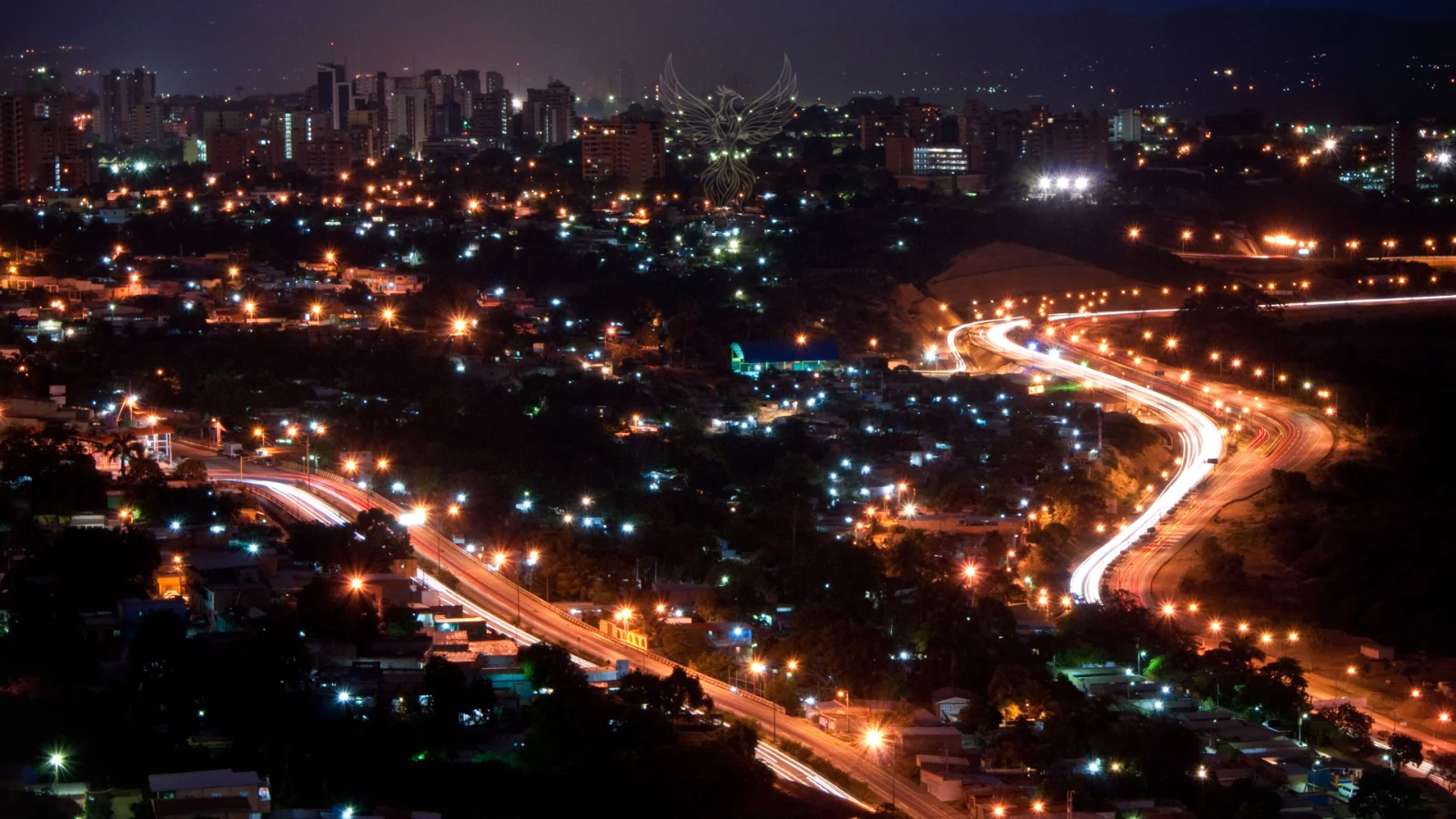
Phoenix City (Ciudad Fénix) is a draft project from Mandatum, the Order ORDO SUPREMUS PRO CAUSIS HUMANITARIIS INC, to rebuild Barquisimeto after the devastating earthquake that struck western Venezuela. It proposes 10,000 seismically isolated homes and 2,500 trained community responders, delivered under a “Zero Cash Flow” rule with no direct disbursement from the Public Treasury.
This project is under observation because of the embargo affecting Venezuela and will be studied in due course.
Why a plan is needed
The seismic doublet of June 24, 2026 left more than 5,500 people dead and over 28,000 homes destroyed in the western region of Venezuela. Phoenix City responds with a technical and social proposal that aims to redefine disaster management in Latin America.
The plan would take place on a 270-hectare plot in Barquisimeto, Lara State, allocated by the Venezuelan government. It would shelter around 55,000 people (10,000 families) within a strict 36-month schedule, with the first partial handovers starting in month 10.
An industrialized response
Unlike traditional housing models, Phoenix City bases its speed and cost control on removing variability. It uses only two prestressed concrete prefabricated typologies, produced at scale in its own industrial plant, which avoids the delays typical of conventional construction.
Seismic engineering
The cornerstone is an uncompromising standard of structural resilience, designed for the Maximum Credible Earthquake required by the COVENIN 1756-1:2019 standard. The project applies lead rubber bearing (LRB) elastomeric base isolation.
The innovation is to install the isolators beneath shared rigid platforms that carry blocks of 8 to 12 homes, which cuts the cost of seismic protection in half compared with isolating each house individually.
A city that does not depend on the grid
Public utility networks often collapse during severe earthquakes, so Phoenix City provides its own autonomous infrastructure and the services a neighborhood needs within walking distance.
The community as first-line response
The most distinctive idea is to treat social factors as a pillar of structural safety. A group of 2,500 volunteer residents, one for every four families, would receive 120 hours of certified initial training in light rescue, rapid damage assessment and first-aid support. They would be organized into 20 sectorized brigades, supported by 1,000 block representatives.
Thirty hectares (11% of the site) are reserved for a network of green spaces that serve as post-earthquake shelters, with sealed emergency storage units, independent water points and autonomous lighting. The project also guarantees 100% Venezuelan labor, generating between 8,500 and 11,000 direct jobs.
A model that can be exported
Documented from the outset as a transferable methodology, the Phoenix City model aims to leave Barquisimeto with installed technical, industrial and human capacity that can be exported to other vulnerable regions of Latin America and the Caribbean. It shows that post-disaster reconstruction is not only a matter of cement, but of community organization and preventive engineering.
Cover photo: “Barquisimeto de Noche” by Perez.angel.e, CC BY 3.0, via Wikimedia Commons; phoenix emblem added.